Every angle on the news
Every story decoded through media worldwide, perspective by perspective.
68 subjects found
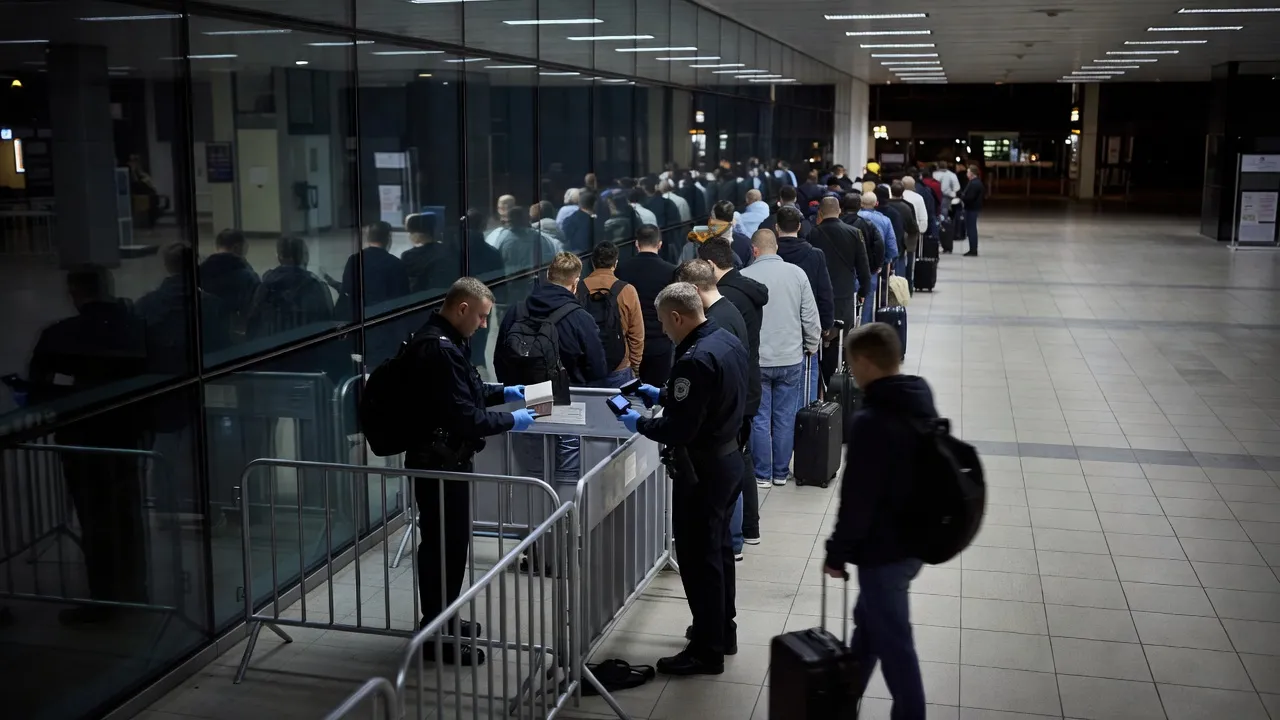
Spain imposes its own border checks on Italy, which refuses to back down
Madrid gave Rome until 9 August to lift the checks imposed on 1 August, then acted: controls on travellers from Italy until 7 September. Italy extended its own. Behind the quarrel lie at least 141 dead at Ceuta, 1,342 unaccompanied minors, and an investigation into Russia-linked accounts. Twenty-two countries order these three threads differently.


 +18
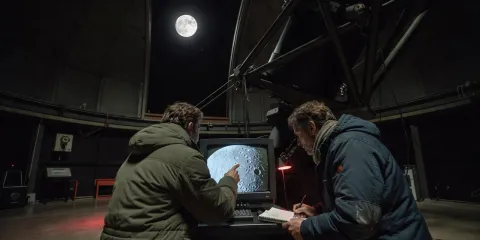
A SpaceX rocket stage crashes into the Moon and leaves a crater
On 5 August 2026 at 06:35 GMT, the upper stage of a Falcon 9 launched in January 2025 struck the Moon at 8,690 km/h after eighteen months adrift. The object is the same everywhere; its meaning is not. Twelve countries read it in turn as a scientific windfall, a space-debris problem, or a chance to prove their own capabilities — and the United States, where the rocket came from, is absent from the account.


 +8
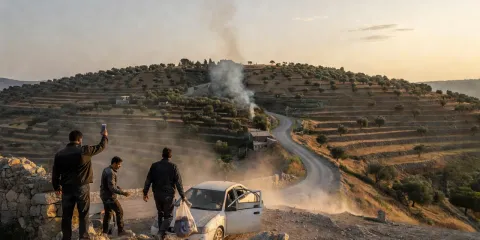
Israel resumes strikes on south Lebanon as the Rome talks continue
On 5 August 2026 Israel resumed strikes on southern Lebanon and ordered the evacuation of Mansouri, citing a ceasefire violation; the next day the IDF announced two reservists killed, its first losses since 28 June. At the same moment the seventh round of US-brokered talks was under way in Rome. Twelve countries order these facts differently — and the Arab world is missing from the account.


 +8
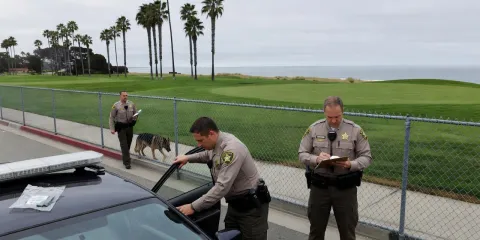
Armed Man Arrested at Trump's Los Angeles Golf Course Two Days Before the President's Visit
A man was detained near Donald Trump's Los Angeles golf course while photographing the grounds, two days before a presidential visit; a search of his car turned up weapons and a sixteen-round magazine. The Trump administration says it "averted a tragedy". Seven countries handle the same fact — some as a security incident, others as one more chapter in the run of threats against the president.

 +3
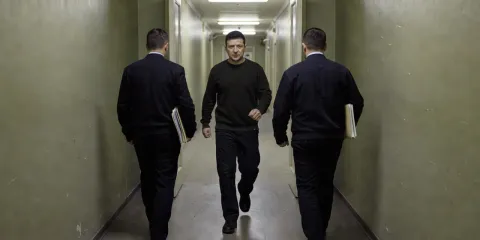
Zelensky Sacks Army Chief Syrsky After a Week of Protests in Ukraine
Volodymyr Zelensky dismissed commander-in-chief Oleksandr Syrsky and appointed Mykhailo Drapatyi in his place, after a week of daily protests in Kyiv triggered by the sacking of defence minister Mykhailo Fedorov. It is the biggest military shake-up since the war began, and the first time street pressure has forced a decision on the Ukrainian president.
 +11

New wave of Russian strikes on Ukraine as Kyiv hits a Russian oil terminal
Russia launches a massive barrage of drones and missiles at Ukraine; Kyiv retaliates by striking a Russian oil terminal near St Petersburg. From Kyiv to Moscow, Berlin, Helsinki, Warsaw and Delhi, nine countries read the escalation and the diplomatic deadlock.
 +5

Trump-Putin Call: Washington Offers to Help Broker a Ukraine Deal
On July 4, 2026, Donald Trump and Vladimir Putin spoke by phone for about 90 minutes. According to the Kremlin, the U.S. president offered to help Moscow reach a deal on Ukraine, while Putin reaffirmed his claim to all of Donbas. Trump also spoke with Volodymyr Zelensky. From Kyiv to Beijing, readings of the call diverge sharply.
+13
Ebola in DR Congo: Nearly 400 Dead as Kinshasa Bans Gatherings
The Ebola outbreak in the Democratic Republic of Congo has killed nearly 400 people and spread to a fourth province. Kinshasa has banned mass gatherings as an attack on a treatment center complicates the response, while the world watches with concern and distance.

 +3
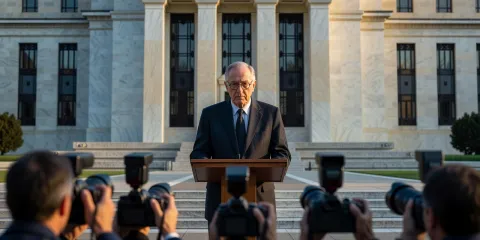
Death of Alan Greenspan: the world weighs the contested legacy of the Fed's 'maestro'
Alan Greenspan, chair of the US Federal Reserve from 1987 to 2006, has died at 100. From Washington to Seoul, the global press weighs a contested legacy: hailed as the markets' 'maestro' or blamed for the deregulation that fed the 2008 financial crisis.
+7
Memory War: Poland Strips Zelensky of Its Highest Distinction
Warsaw strips the Ukrainian president of its highest distinction amid a memory war over the Volhynia massacres. The rift between two allies, which also touches grain and Polish domestic politics, benefits Moscow and weakens the front supporting Kyiv.
 +8

Extreme Heatwave in Europe: Overheated Rails, Red Alerts and Strained Infrastructure
An extreme heatwave grips Europe with peaks near 45°C. In France, 58 departments are placed on red alert and rails overheat, threatening train traffic. The heatwave reignites debates over climate adaptation, infrastructure and protecting the most vulnerable.
 +6
Understand global stakes from every perspective.
718 subjects · 75 countries · 8174 perspectives