Israel — news through its media
Stories followed in this country, with their framing set against the rest of the world.
175 subjects found
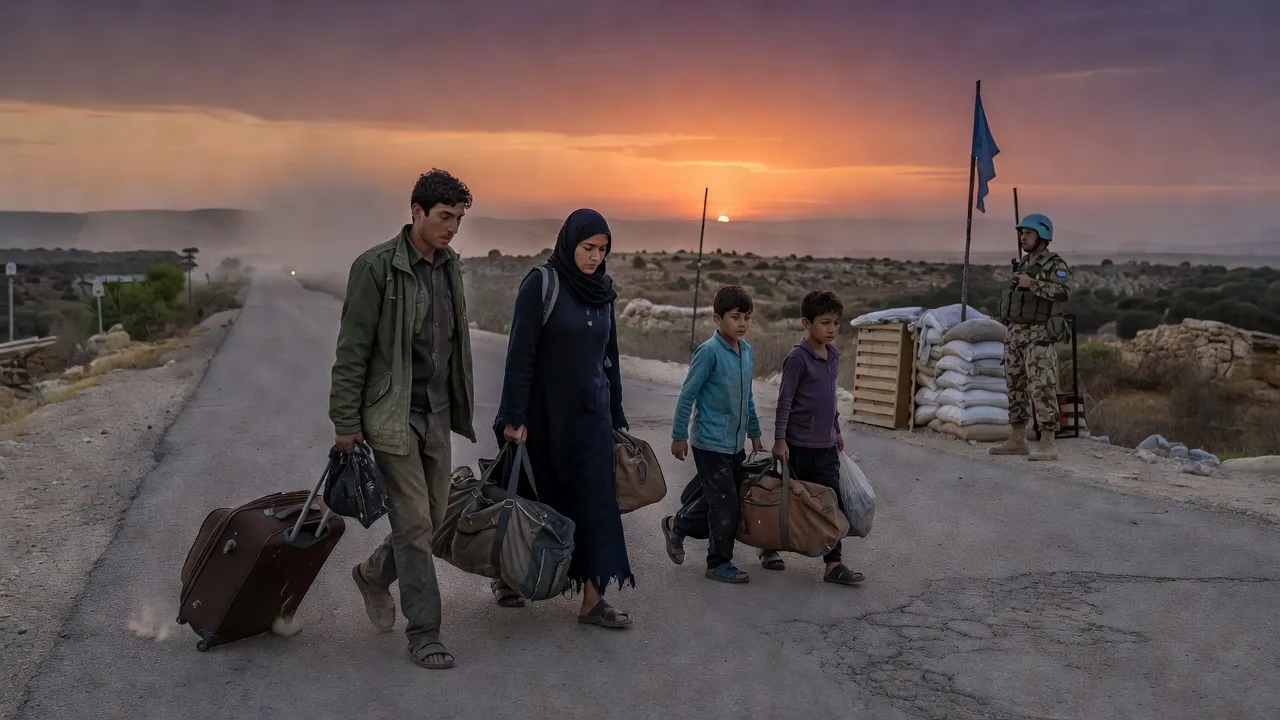
Israel Strikes Southern Lebanon, Straining the Ceasefire With Hezbollah
At least 18 killed in Israeli strikes on southern Lebanon despite a ceasefire with Hezbollah. An Israeli minister declares that 'all of Lebanon must burn,' Lebanon's president appeals to Washington, and the escalation jeopardizes the nuclear deal with Iran.



 +9
+9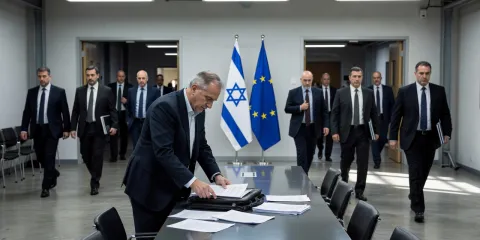
Israel Breaks Off Relations with the European Union
Israel announced it was breaking off relations with the European Union amid rising tensions over Gaza and European criticism, marking a major diplomatic rupture between Israel and its largest trading partner.

 +4
+4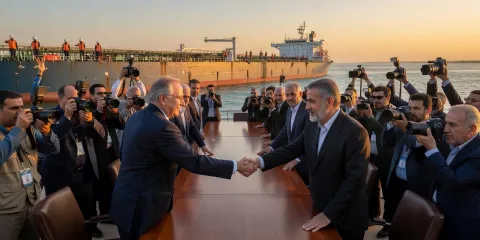
US-Iran Peace Deal Finalized: End of Operations and Hormuz Reopening
The United States and Iran finalized a peace deal calling for an immediate halt to military operations and the reopening of the Strait of Hormuz, pushing oil prices lower as Europe warned over the nuclear file.


 +14
+14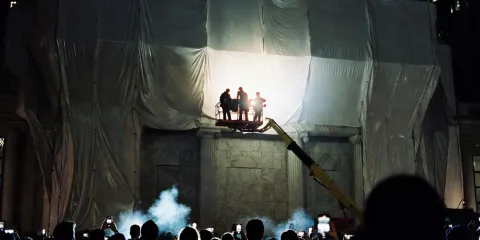
Trump's Name Torn From the Kennedy Center at Dawn as US Courts Undo His Symbolic Engravings
Behind tarps and to chants of 'Take it down!', workers pried off the 18 gold letters 'THE DONALD J. TRUMP AND' overnight. A judge ruled only Congress can rename the landmark. The same weekend, another court ordered slavery signage restored in the national parks.


 +19
+19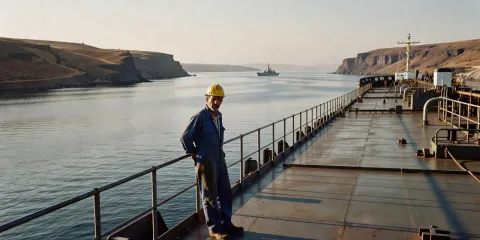
Trump Says Iran Deal to Be Signed 'Sunday' and Hormuz to Reopen — Tehran Pushes Back
Pakistan talks of an 'electronic signature' within 24 hours, Trump promises the Strait of Hormuz 'open to all' the moment it's signed — and Tehran replies it won't be Sunday. Crude falls to its lowest since April, yet Iran already proclaims: 'we are the winner.'
 +13
+13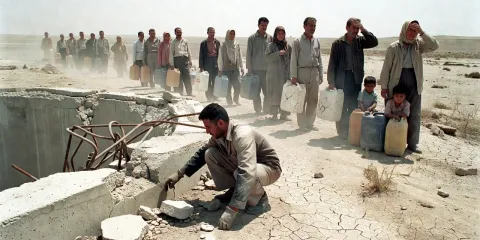
Washington bombs Iran's water reservoirs and threatens bridges and power plants as the deal collapses
Twenty thousand Iranians cut off from drinking water in 50°C heat, US bases hit from Kuwait to Bahrain, and a president who promises to 'keep going' — April's truce is hanging by a thread.

 +5
+5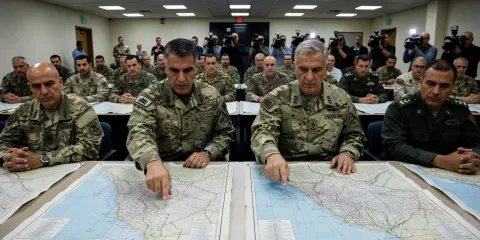
US Apache helicopter downed, CENTCOM strikes Iran: escalation at the Strait of Hormuz
A US Army Apache helicopter was downed near the Strait of Hormuz on the night of June 9-10. CENTCOM responded with strikes on Iranian installations near Qeshm and Jask. Trump says negotiations are not compromised; Tehran vows to respond to any further attack and launches drones at US bases in the Gulf (Bahrain, Kuwait, Jordan).
+4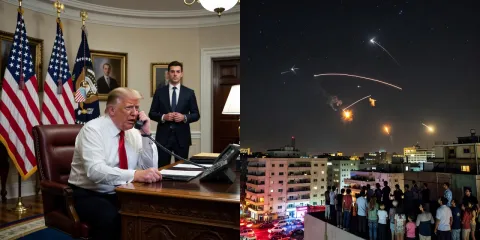
Trump Promises Total Victory Over Iran in Two Weeks — Netanyahu Keeps Striking Despite Presidential Order
As Israel-Iran exchanges shattered two months of ceasefire on June 7-8, 2026, Donald Trump ordered both sides to stop shooting and promised total victory within two weeks — but Netanyahu ignored the directive and continued strikes, exposing a public command fracture between Washington and Tel Aviv.
 +4
+4
First direct Iran-Israel strike since April: missiles on Galilee after Beirut bombing, Trump explodes at Netanyahu over the phone
Eleven Iranian missiles on northern Israel, schools closed nationwide, Beirut in flames — and a Trump-Netanyahu call that sharpens into an ultimatum: 'You will accept the deal with Iran.'
+6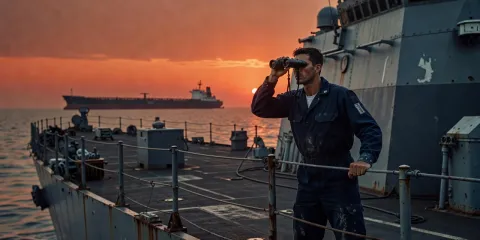
Day 100 of the Iran-USA war: Iranian missiles on Bahrain and Kuwait, U.S. drones in Hormuz, the April ceasefire in tatters
Seven Iranian ballistic missiles toward Kuwait and Bahrain, two drones shot down in Hormuz by the U.S. Navy, the Fifth Fleet targeted: the April 8 ceasefire holds only on paper.
+7
Marjane Satrapi Dies at 56: Persepolis Becomes a State Affair in Paris, an Awkward Silence in Tehran
The author of Persepolis, who refused France's Legion of Honor in 2025 to denounce Paris's "hypocritical" Iran policy, died "of sadness" a year after her husband — and the Islamic Republic is pretending nothing happened.
+11Understand global stakes from every perspective.
722 subjects · 75 countries · 8238 perspectives