Qatar — news through its media
Stories followed in this country, with their framing set against the rest of the world.
310 subjects found
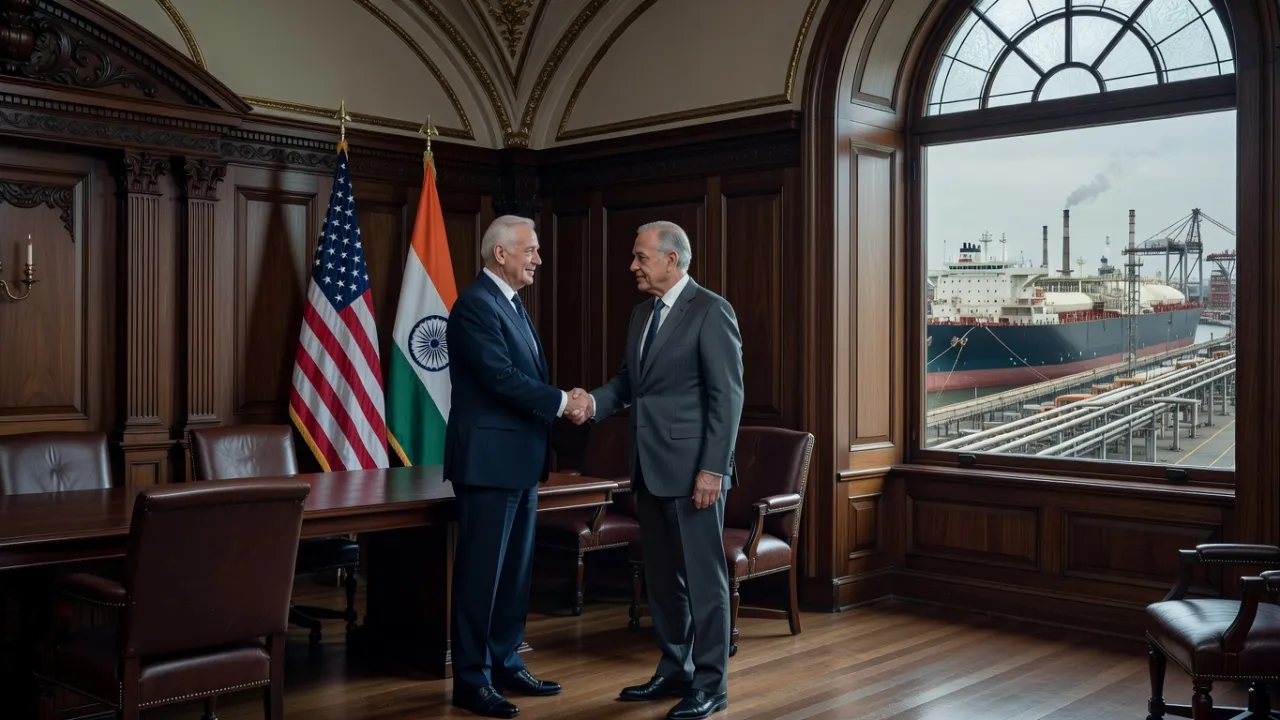
Rubio to Modi: U.S. energy to diversify India's supply
U.S. Secretary of State Marco Rubio told Indian PM Narendra Modi that American energy could help India diversify supplies and cut its reliance on Russian oil. Six national readings weigh this energy rapprochement between Washington and New Delhi.



 +2
+2
Ebola center burned in Congo as fear and anger grow over outbreak
An Ebola treatment center was burned in the Democratic Republic of Congo, illustrating growing local hostility toward an outbreak that is worsening and to which the WHO is struggling to respond.


 +7
+7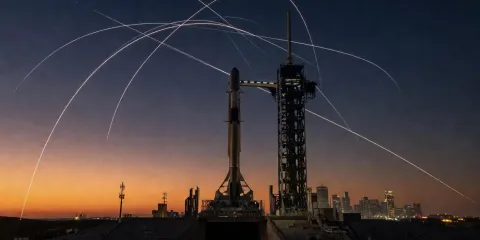
Elon Musk eyes record-breaking Wall Street debut with SpaceX IPO
Elon Musk is preparing a SpaceX IPO that is shaping up to be the largest in Wall Street history, against a backdrop of ongoing political tensions but massive market appetite for commercial aerospace.

 +8
+8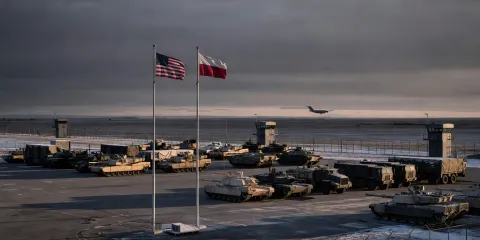
Trump says US will send additional 5,000 troops to Poland
Donald Trump announced the deployment of an additional 5,000 US troops to Poland, reinforcing NATO's eastern flank against Russia and confirming a major military commitment in Eastern Europe.

 +15
+15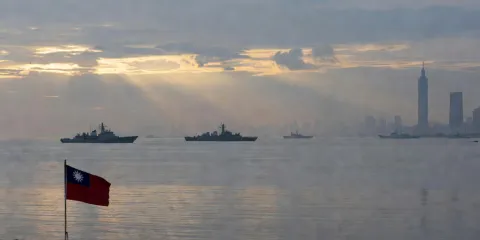
Trump to talk with Taiwan's leader Lai in new possible strain for US-China ties
Donald Trump plans a direct exchange with Taiwanese President Lai Ching-te, a move that risks reigniting Sino-American tensions after months of Trump-Xi rapprochement.
 +5
+5
Republican Thomas Massie who stood up to Trump defeated in Kentucky primary
Thomas Massie, Republican congressman known for his opposition to Donald Trump, lost the Kentucky Republican primary, illustrating the president's enduring grip on his party.

 +7
+7
Israeli minister sparks outcry over video of bound flotilla activists
Israeli minister Itamar Ben-Gvir released a video showing bound humanitarian flotilla activists, triggering international condemnation and a call from Giorgia Meloni for their immediate release.

 +11
+11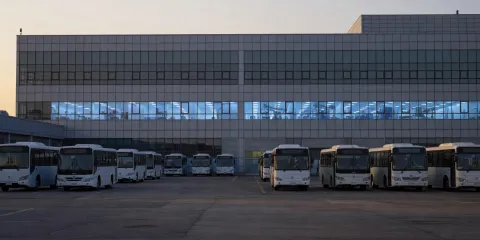
Samsung Electronics management and labor reach wage deal ahead of planned strike
Samsung Electronics management and labor reached a last-minute wage deal, averting a planned strike and easing a major industrial dispute in South Korea's semiconductor industry.
 +6
+6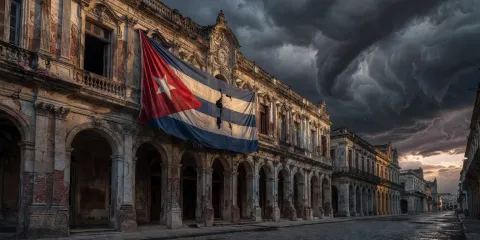
United States indicts former Cuban president Raúl Castro as pressure builds
Washington indicted Raúl Castro, former Cuban president and brother of Fidel, marking an unprecedented escalation of US pressure on Havana amid sanctions and diplomatic tensions.
 +11
+11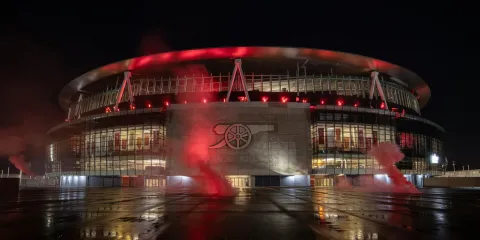
Arsenal win Premier League title after Manchester City draw at Bournemouth
Arsenal claim their first Premier League title since 2004, capitalizing on Manchester City's draw at Bournemouth to become mathematically untouchable with three matchdays remaining.
 +2
+2
Israel intercepts another flotilla with aid for Palestinians in Gaza
Israeli forces intercepted another flotilla carrying humanitarian aid for Palestinians in Gaza, reigniting tensions over the blockade and the legality of Israeli naval control in the region.
 +7
+7Understand global stakes from every perspective.
722 subjects · 75 countries · 8238 perspectives