Saudi Arabia — news through its media
Stories followed in this country, with their framing set against the rest of the world.
52 subjects found
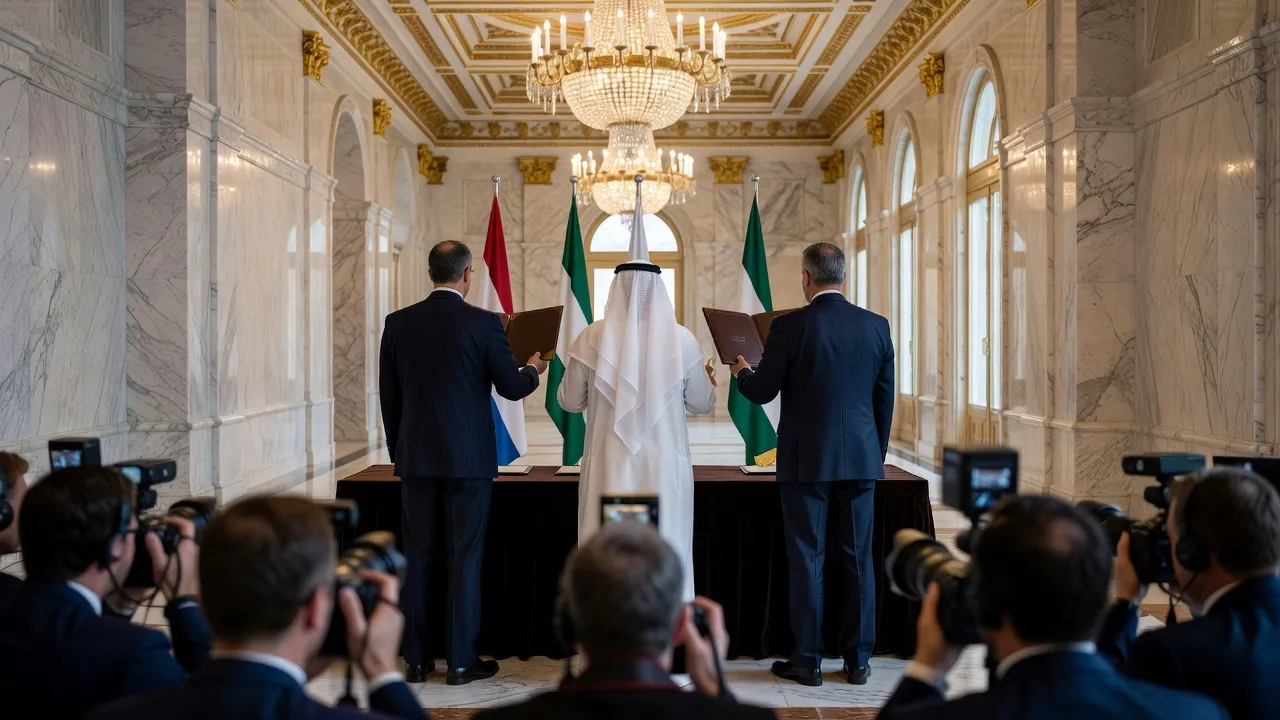
Saudi Arabia, Turkey and Pakistan sign the Mecca defence pact
On 7 August 2026, Mohammed bin Salman, Recep Tayyip Erdoğan and Shehbaz Sharif signed an agreement at Al-Safa Palace stating that an armed attack on any one of the three countries will be treated as an attack on them all. Riyadh insists it is 'neither a military axis nor a sectarian bloc'; thirteen countries read it differently, and Iran, its implicit target, is absent from the account.


 +9
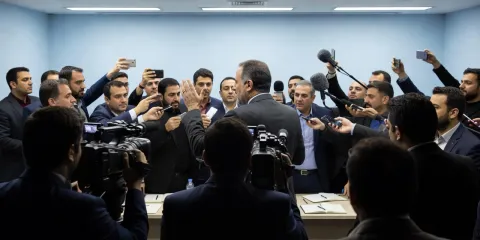
Tehran Denies the Deal Trump Announced: "A Sheer Lie"
Donald Trump says he called off a strike on Iran — "the biggest attack since World War II" — because the parameters of a deal on Hormuz and the nuclear file had been reached. Tehran denies it: "a sheer lie." Crude fell more than 5 percent. One question divides thirteen capitals: whom do you believe when two states narrate the same day differently?


 +9
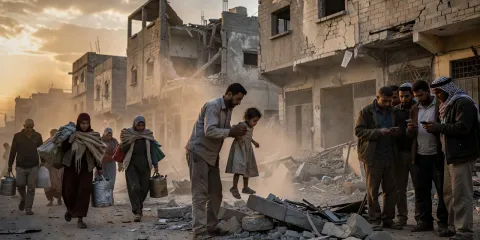
Hamas Ties Disarmament to an Israeli Withdrawal, Testing Trump's Deal
A day after Donald Trump announced a disarmament deal, Hamas has made it conditional on a prior withdrawal of the Israeli military and says Israel must first approve the text. Trump speaks of an "understanding" with Israel while conceding implementation will be complex. Riyadh welcomed the deal and Doha was thanked for mediating, but the Israeli military struck Gaza again. Ten countries measure the gap between the announcement and the ground differently.


 +6
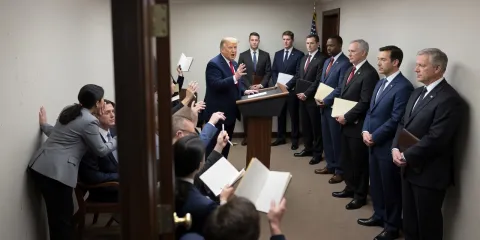
Trump Announces Deal for Full Hamas Disarmament and Israeli Withdrawal from Gaza
Donald Trump says a "Board of Peace" has reached a deal providing for the full disarmament of Hamas, an Israeli military withdrawal from Gaza and a new Palestinian governance structure. Hamas ties disarmament to a prior troop withdrawal, experts call the announcement hard to believe, and Israel's buy-in remains unclear. Ten countries read the same announcement as a historic breakthrough, a communications move, or a framework imposed from outside.
+6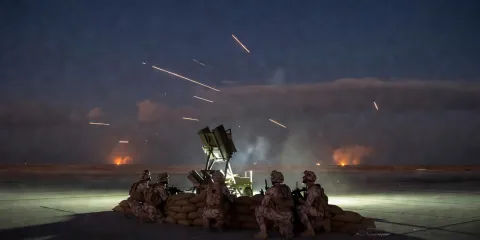
The United States strikes Iran, joint US-Saudi strikes in Iraq as the war widens
On July 30, 2026, after a brief lull, the United States launched a massive wave of strikes against dozens of targets in Iran, retaliating for Iranian missile fire on American bases in Jordan. The same day, US and Saudi forces jointly struck pro-Iranian militias in Iraq for the first time, killing at least twenty. Riyadh's entry and the threat to the Strait of Hormuz mark a regional escalation.
 +8
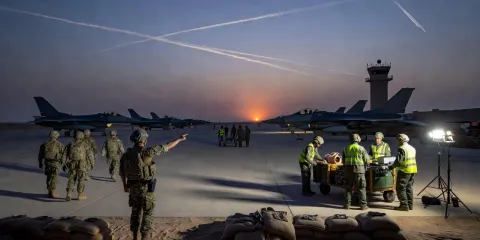
Iran strikes a U.S. base, the United States and Saudi Arabia retaliate in Iraq
After a brief pause, Iran launched a ballistic-missile attack on a U.S. base in Jordan, quickly followed by joint U.S.-Saudi strikes on pro-Iranian militias in Iraq (at least ten dead). Riyadh's entry into the conflict and the use of Israeli bases mark a regional escalation.

 +6
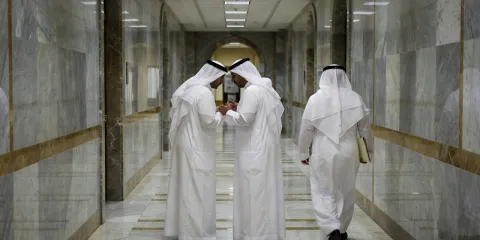
Trump Makes Saudi Nuclear Deal Conditional on Recognizing Israel
A day after Washington and Riyadh signed the "123" civilian nuclear cooperation deal, Donald Trump said its implementation is contingent on Saudi Arabia recognizing Israel and joining the Abraham Accords. The condition stunned Saudi officials and reignites debate over normalization, the Palestinian cause and Middle East proliferation.
+10
Houthis Declare Naval Blockade of Saudi Arabia, Opening a New Front in the US-Iran War
Yemen's Houthis declared an immediate naval blockade of Saudi Arabia in retaliation for the Saudi blockade of their ports. Washington pressed a tenth consecutive night of strikes on Iran and a third US soldier was killed in three days. Traffic through the Strait of Hormuz has collapsed and Brent crude topped 90 dollars.
+12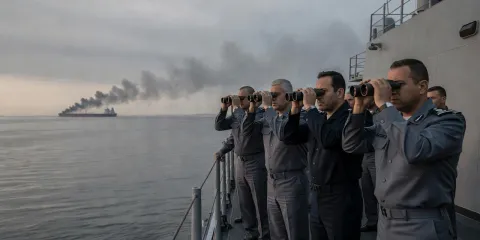
Military escalation between the United States and Iran
The United States launched fresh strikes on Iran, which retaliated by hitting US bases in the Gulf and attacking Bahrain and Kuwait. A Saudi tanker was struck in Hormuz, oil jumped 7 percent, and Trump now threatens Iran's infrastructure.

 +7
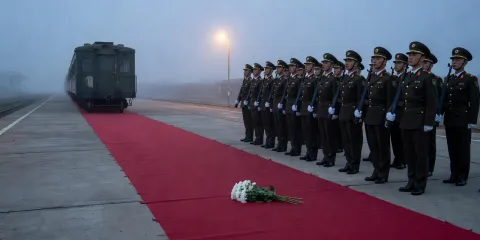
Xi Lands in Pyongyang on June 8 for the First Time in Seven Years — and Kim Greets Him With a New Uranium Plant
Beijing and Pyongyang announce the trip on the same June 5 morning; the day before, Kim Jong-un unveils a secret facility he says has doubled fissile capacity. The message is unmistakable: Xi will have to negotiate with an "irreversible" nuclear state that he claims to be pushing toward denuclearization.
 +14

Hezbollah rejects the ceasefire, an Israeli officer killed in Lebanon, a Serbian peacekeeper shot — the April truce collapses in 48 hours
Naim Qassem calls it "capitulation", an anti-tank missile kills Captain Lemberg in southern Lebanon, a UNIFIL soldier dies under mortar fire: the peace architecture built in Washington falls apart under Trump's eyes.
+10Understand global stakes from every perspective.
718 subjects · 75 countries · 8174 perspectives