Ukraine — news through its media
Stories followed in this country, with their framing set against the rest of the world.
161 subjects found
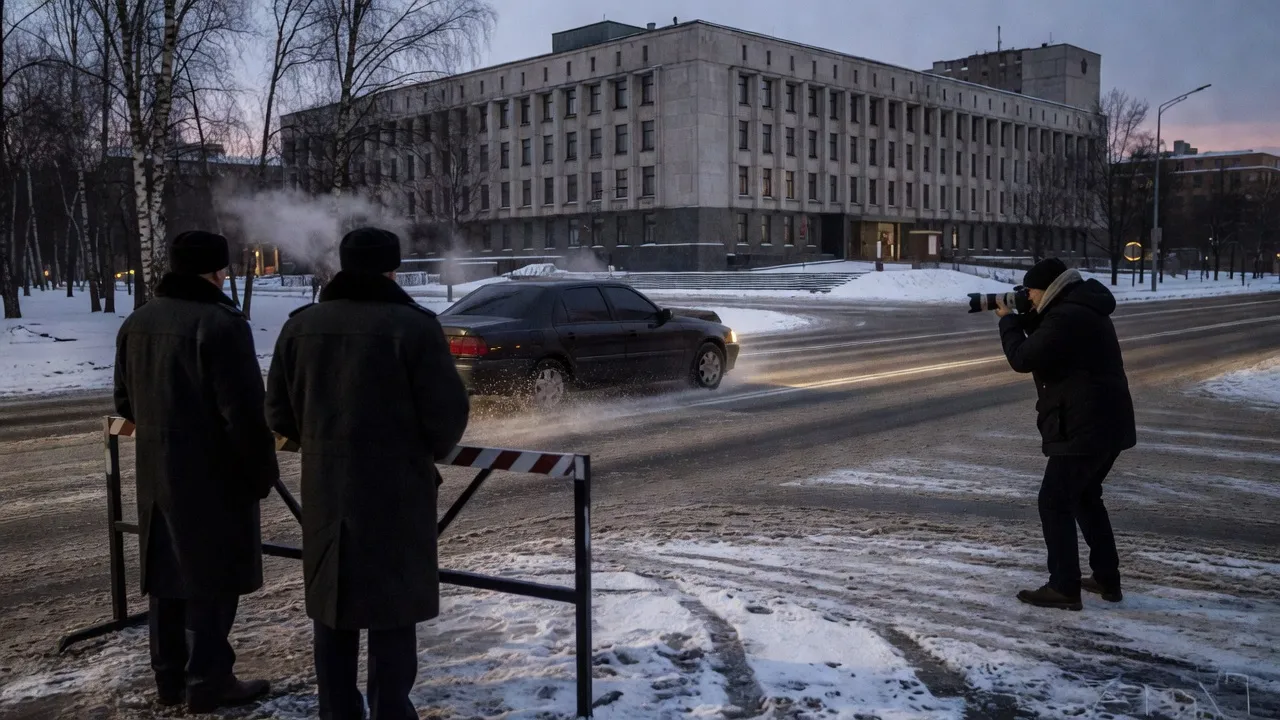
The CIA director makes a confidential visit to Moscow
CIA director John Ratcliffe travelled discreetly to Moscow for talks with Russian officials, according to several US outlets; the Kremlin confirmed contacts between intelligence services. The visit comes as Vladimir Putin has just rejected the peace plan put forward by Volodymyr Zelensky. It is read very differently in Kyiv, Moscow and Washington.


 +7
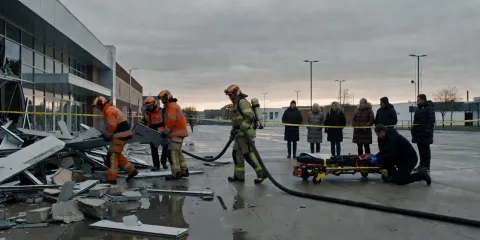
Russian 'double-tap' strike on a Kryvyi Rih shopping centre kills 14 and wounds more than 130
Russian drones struck a shopping centre in Kryvyi Rih, central Ukraine, killing at least fourteen people and wounding more than a hundred and thirty. A second strike hit the same site while rescuers were working. Ukraine's foreign minister called on partners to help strengthen the country's air defences.


 +3

Brussels prepares its most far-reaching sanctions package against Russia
Kaja Kallas, the EU's foreign policy chief, said she wants to increase the number of sanctioned Russian entities by about a third, in what the Union presents as its most far-reaching package since the war began. The text has not been adopted and Hungary and Slovakia each hold a veto. Five countries cover the announcement, including Russia through TASS and The Moscow Times, which read it differently.


 +1
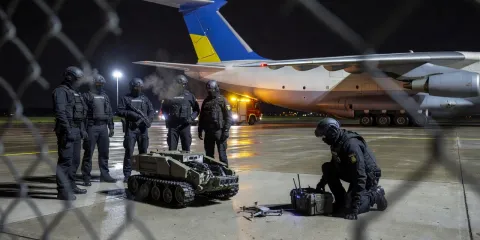
Explosive Drone Found Beside a Ukrainian Cargo Plane at Leipzig Airport as Berlin Warns of a 'New Quality of Danger'
Shortly before midnight, an employee at Leipzig/Halle airport found a drone carrying an explosive device with a detonator on the south runway, metres from a Ukrainian Antonov. Within the hour, a DHL cargo plane struck an unidentified flying object. Dresden prosecutors opened a terrorism inquiry; Ukraine's ambassador blamed Moscow, which said nothing.
+6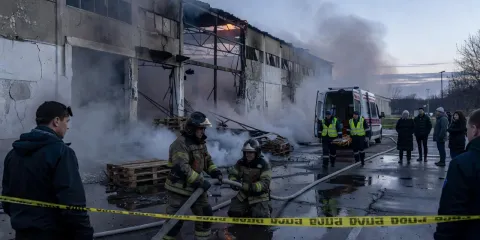
A Night of Mirrored Civilian Deaths: Russian Strikes on the Kyiv Region, a Ukrainian Drone on a Gelendzhik Beach
Russia launched its third mass attack of the week on Kyiv and its region — ballistic missiles and drones, fifteen to seventeen dead depending on the hour of publication, fires across logistics hubs. The same day, a Ukrainian drone struck a crowded beach in Gelendzhik on the Black Sea: seven dead including three children, according to Moscow. Fifteen countries had the same three events in front of them; almost none kept all three.
+11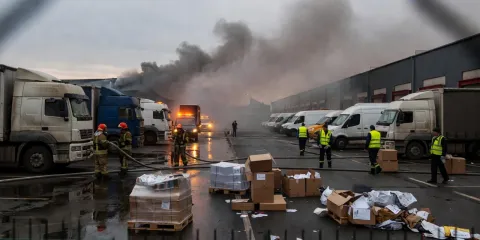
Ukraine Hits a 17th Warehouse of the "Russian Amazon" as Moscow Claims 635 Drones Downed
Overnight on August 2-3, Ukraine struck a 17th warehouse of e-commerce giant Wildberries, a Rosneft refinery in Saratov and the Engels airfield. Moscow says it downed 635 drones and reported eight dead. Kyiv argues the "Russian Amazon" supplies the army: civilian logistics has become a target, and capitals agree neither on the legitimacy of that choice nor on whether it works.

 +7
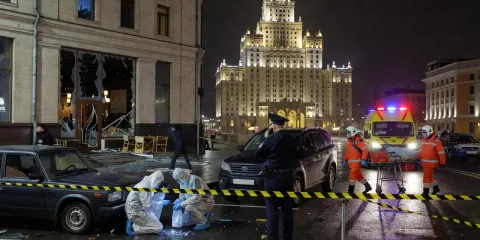
Deadly explosion at a restaurant in central Moscow
An improvised explosive device carried by a woman detonated on Saturday evening at the entrance to the Balzi Rossi restaurant on Kudrinskaya Square in Moscow, killing three people and injuring between fifteen and twenty-one. With no claim of responsibility, six countries fill the investigative vacuum differently.
+2
Trump hosts Zelensky and Netanyahu at the White House: Patriots for Kyiv, friction over Iran
On July 28, 2026, Donald Trump separately received Ukrainian President Volodymyr Zelensky at the White House, who requested 300 Patriot missiles before winter and a revival of talks with Russia, then Israeli Prime Minister Benjamin Netanyahu, hosted for ninety minutes. Trump publicly aired his irritation over Iran, a sign of cooling ties between Washington and its Israeli ally, as the wars in Ukraine and Iran converge.

 +5
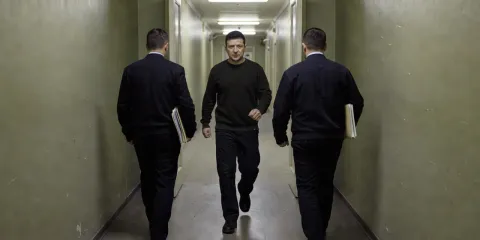
Zelensky Sacks Army Chief Syrsky After a Week of Protests in Ukraine
Volodymyr Zelensky dismissed commander-in-chief Oleksandr Syrsky and appointed Mykhailo Drapatyi in his place, after a week of daily protests in Kyiv triggered by the sacking of defence minister Mykhailo Fedorov. It is the biggest military shake-up since the war began, and the first time street pressure has forced a decision on the Ukrainian president.
+11
Russian Strikes on Odesa as the Black Sea Battle Intensifies
Russian strikes on Odesa and Kyiv kill civilians, the Black Sea turns into a naval battleground, and the Zaporizhzhia plant's chief engineer is killed in a drone attack Moscow blames on Kyiv; the UN calls June the deadliest month for civilians in four years.
+2
Russia strikes Ukraine with missiles and drones: dead and wounded
A new wave of Russian missile and drone strikes kills and wounds dozens across Ukraine. Six perspectives — from Kyiv to Moscow, Berlin to Brasília — on a war that grinds on.
+3Understand global stakes from every perspective.
718 subjects · 75 countries · 8174 perspectives