South Africa — news through its media
Stories followed in this country, with their framing set against the rest of the world.
152 subjects found
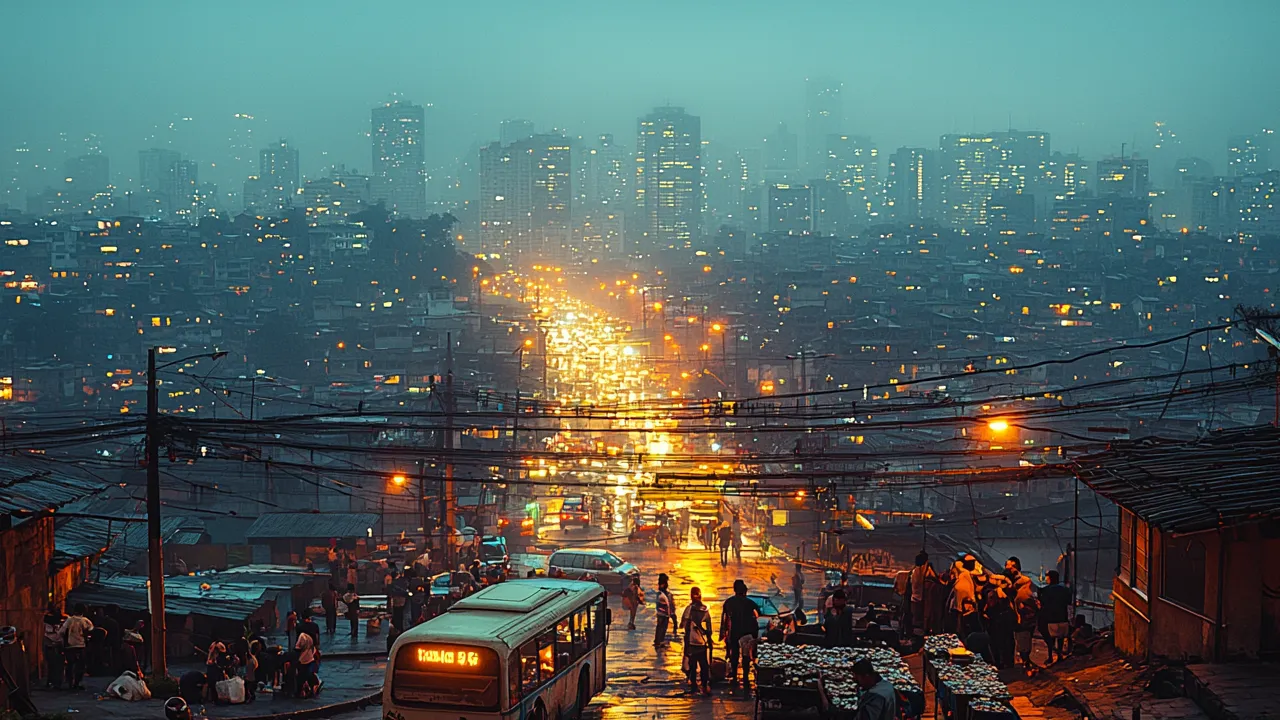
Brazil's Tax Reform Takes Effect: Lula's Bet on Social Justice
Brazil's historic tax reform takes effect in 2026, exempting workers earning up to 5,000 reais per month from income tax and introducing a minimum tax on high earners. Passed unanimously by Congress, the reform affects 15 million Brazilians but its 31.2 billion reais cost raises concerns as public debt heads toward 95% of GDP. The Selic remains at 12.25% and inflation climbs to 4.1%.


 +6

Iran War, Day 26: Tehran Rejects US Plan, 82nd Airborne Deployed
On the 26th day of conflict, Iran rejects the 15-point US peace plan, calling it extremely maximalist. Trump claims Vance and Rubio are leading negotiations, but Tehran denies it. Over 1,000 soldiers from the 82nd Airborne Division are deployed, bringing US forces in the Middle East to more than 50,000. The death toll surpasses 2,000.


 +7

Middle East Tensions: Iran at the Center of Conflicts and Threats
Tensions between Iran and the United States and Israel are intensifying, with allegations of potential targets in America and signs of fragility in Iranian leadership. These conflicts pose significant risks to regional and global security, affecting energy markets as well.

 +20

Middle East War: Energy Tensions and Global Crises
Attacks on energy infrastructure in Iran and Qatar trigger a sharp surge in oil and gas prices, intensifying regional tensions and risks of a global economic crisis.
 +24

Iran: Israeli Strikes and Humanitarian Consequences
Recent Israeli strikes in Iran have intensified regional tensions and triggered medicine shortages. This escalation underscores Iran's role as a central Middle Eastern geopolitical actor, affecting not only its own population but also neighboring countries.
 +25

Israel facing security and diplomatic threats
Israel is facing major security challenges with enemy missiles managing to penetrate its defense systems. At the same time, international diplomacy is bustling around the country, highlighting regional tensions and a potential impact on international relations.

 +14

Trump divides allies over securing Strait of Hormuz against Iran
The United States is requesting military assistance from allies to reopen the Strait of Hormuz, which Iran has blocked, but Europe and Asia are largely declining to commit to this conflict, which threatens global energy supplies.
 +10

Military Escalation Iran-Israel: Sanctions and Divided International Reactions
The conflict between Israel and Iran enters a decisive phase according to Tel Aviv, triggering a wave of Ukrainian sanctions against Moscow and contrasting diplomatic reactions from Western allies.

 +9

Iran-Israel-United States War: Media Divergences on Escalation and Perspectives
The conflict involving Iran, Israel and the United States reveals contrasting media perspectives on military escalation, diplomatic negotiations and global economic impact.
 +17

Diplomatic Tensions: Cuba-USA, Ukraine-France and Middle East Conflicts
World leaders are intensifying negotiations amid crises: Cuba-United States dialogues, Zelensky-Macron meeting on Ukraine, and Iran-Trump escalation. These discussions reveal major geopolitical stakes in 2026.
 +14

Iran-Israel War: Military Escalation and Global Economic Impact
The conflict between Iran, Israel, and the United States intensifies with strikes across Gulf countries and a blockade of the Strait of Hormuz, triggering a surge in oil prices and a global energy crisis.

 +19
Understand global stakes from every perspective.
718 subjects · 75 countries · 8174 perspectives