South Africa — news through its media
Stories followed in this country, with their framing set against the rest of the world.
157 subjects found
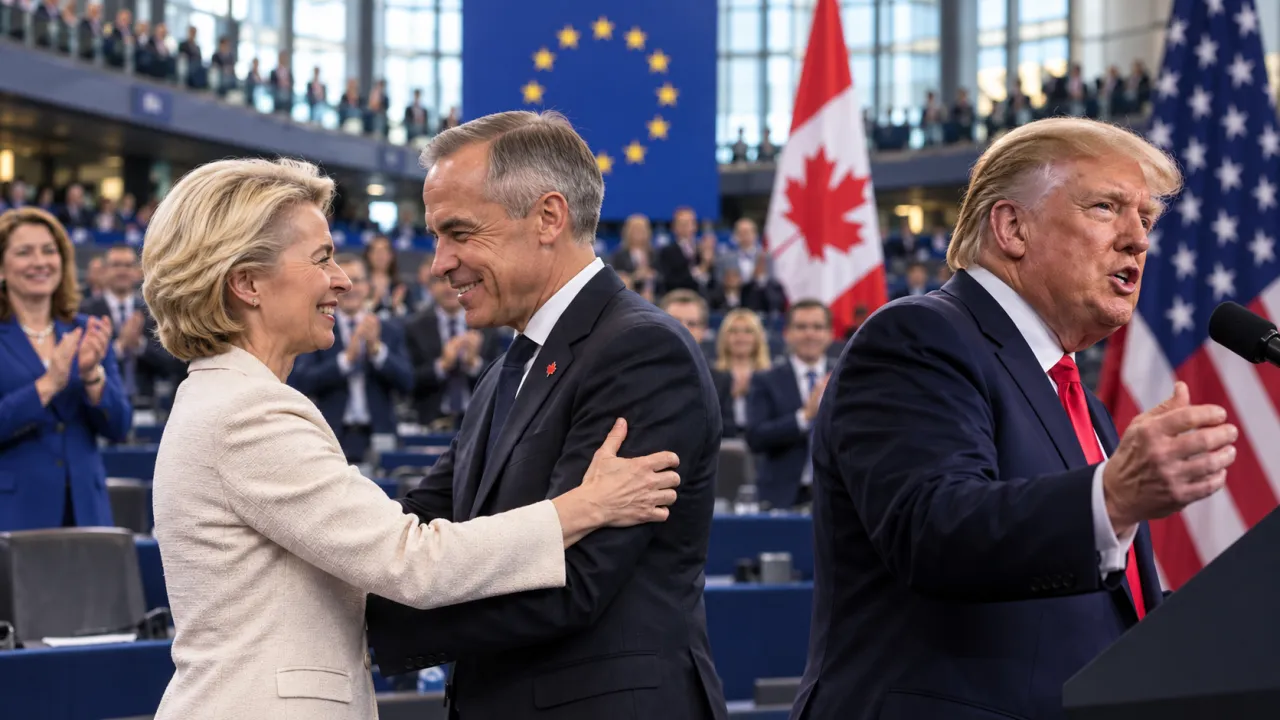
Von der Leyen proposes making Canada the EU's first 'associate member'; Trump threatens to cut off trade with Europe
Addressing the European Parliament in Strasbourg, Ursula von der Leyen proposed making Canada the Union's first 'associate member', with Mark Carney present and given a standing ovation. Donald Trump called the idea 'laughable' and threatened very heavy tariffs on Europe, or halting trade with it, if he judged the move a 'hostile act'. Ottawa applied the same day to join the Joint Expeditionary Force, a ten-nation northern European coalition led by London.


 +17
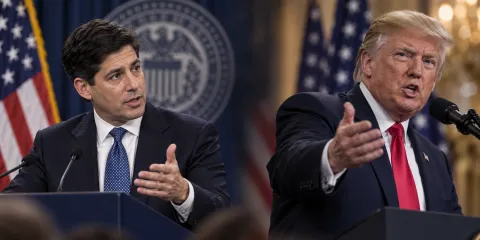
The Fed raises rates for the first time in three years and signals more; Trump demands the opposite
The Federal Reserve raised its benchmark rate by a quarter point to 3.75%-4.00%, its first hike since July 2023. The decision was unanimous under new chair Kevin Warsh, who called inflation 'too high' and signalled further increases could come before year-end. Donald Trump immediately demanded on Truth Social that rates be lowered 'AND FAST!'. Gold rose, the Indian rupee slipped past 96 to the dollar, and the UAE followed with a 25 basis-point move.

 +15
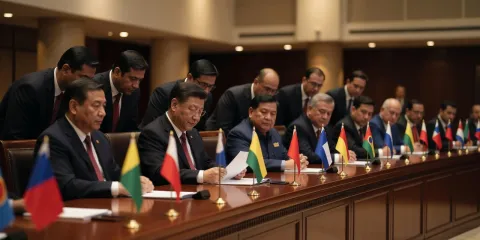
BRICS summit closes in New Delhi: supply chains, a space council and the Global South
The summit ended on Sunday. Xi Jinping calls for keeping supply chains “stable and unimpeded” despite Hormuz, Russia proposes a BRICS space council with satellite-data sharing, and a session gathers the invited countries of the Global South, where Prabowo Subianto defends national self-reliance. Seven countries, members or not, each take something different from the closing.


 +3
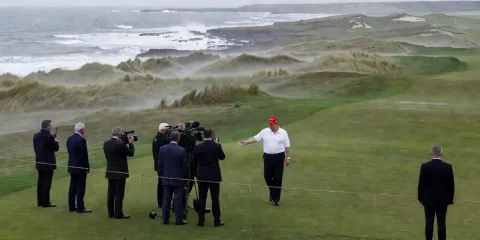
Trump backs a united Ireland during his visit to Dublin and his Doonbeg golf course, anger among unionists
On Saturday in Dublin, facing Taoiseach Micheál Martin, Donald Trump said he would love to see Ireland “united” and that reunification would be “fantastic”, before a tournament at his Doonbeg golf course. On Sunday he insisted it “is going to happen eventually”. Northern Irish unionists and Reform UK hit back sharply, while London had ruled the question off the table. Twenty countries read an unprecedented remark for a US president.
 +16
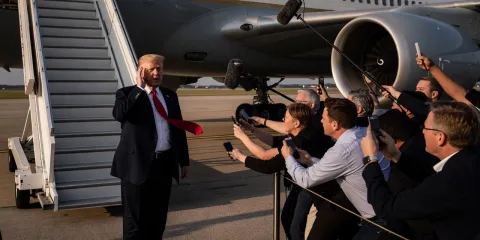
Saudi Arabia shuts its East-West pipeline after drone attacks launched from Iraq
Riyadh temporarily shut the East-West pipeline, its bypass around the Strait of Hormuz, after drone attacks on Friday night. Baghdad admits the drones came from Iraq, dismisses two officials and closes three border crossings with Iran; Donald Trump names Iran as the likely culprit. Twenty countries tell the same night, from crude above $100 to Iraqi militias.


 +16
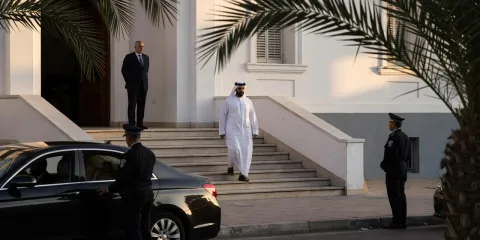
Algeria severs diplomatic ties with the United Arab Emirates and closes its airspace to Emirati aircraft
On 10 September, Algeria announced it was severing diplomatic relations with the United Arab Emirates, citing "provocative or hostile actions", and gave the Emirati ambassador 48 hours to comply. Algerian airspace is closed to Emirati aircraft from 11 September. The Emirates say they hope the decision is temporary; the two countries already differ over Western Sahara, the Sahel and Libya.

 +5
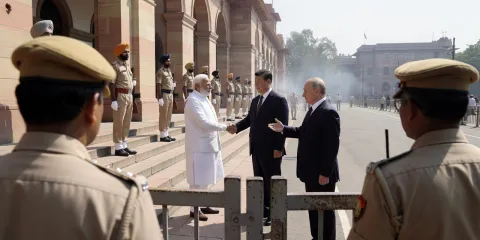
Vladimir Putin and Xi Jinping in New Delhi for a BRICS summit overshadowed by the wars in Ukraine and the Middle East
Vladimir Putin arrived in New Delhi on 11 September for the 18th BRICS summit, hosted by India on 12 and 13 September; Xi Jinping is making his first visit to India in seven years and is due to meet Narendra Modi on the 12th. The enlarged bloc accounts for nearly half the world's population and about 40% of global GDP, but the war in Ukraine and the conflict around Iran divide its members. India has deployed more than 30,000 security personnel.
+14
A British air traffic control failure cancels over a thousand flights, and NATS chief Martin Rolfe is summoned by the transport secretary
A failure in NATS's flight data processing system disrupted UK air traffic on 8 September: more than a thousand flights cancelled, Heathrow, Gatwick, Manchester and Stansted hit, Dublin affected. A further 177 flights were cancelled the next day. Ryanair and Wizz Air are demanding answers; Transport Secretary Heidi Alexander rules out a cyberattack.

 +9
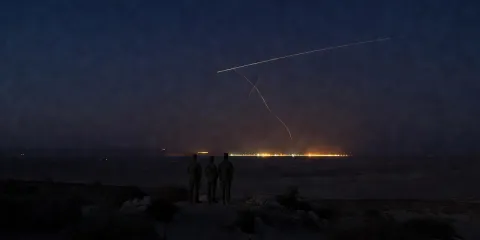
US destroys five Iranian tankers, Tehran strikes Jordan's Al-Azraq base, and Brent crude climbs back above $100
US Central Command destroyed five Iranian oil tankers on 8 September, calling it a response to two ballistic missile attempts against a Navy warship. Iran struck the Al-Azraq base in Jordan, which says it intercepted 18 of 20 missiles, then claimed attacks on shipping in the Strait of Hormuz, where one seafarer was killed and another reported missing. Brent crude passed $100 for the first time since July.


 +25
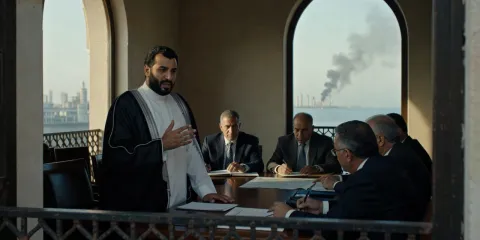
Houthis strike four Saudi cities and Aramco sites; Riyadh promises a firm response
On the morning of Tuesday 8 September, Yemen's Houthis struck Abha, Khamis Mushait, Jazan and Najran with drones and missiles, targeting an international airport, an air base and Aramco facilities. The Riyadh-led coalition reports 73 civilians wounded and fires that halted some energy operations. The kingdom promises a firm response, while the Yemeni forces it backs say they intend to retake Sanaa.
+8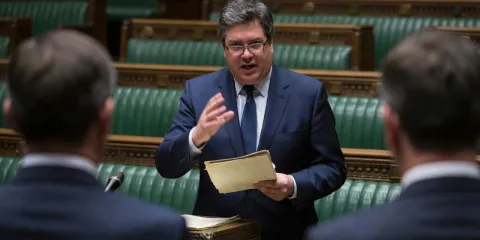
Twelve countries move to ban trade with Israeli settlements; Israel orders the British consulate closed
On Tuesday 8 September, twelve countries — the United Kingdom, France, Canada and nine European states — said they intend to ban trade with Israeli settlements in the occupied West Bank, which British Foreign Secretary Ed Miliband linked to “ethnic cleansing”. Two hours later Israel ordered the British consulate in East Jerusalem to close, told diplomats to leave and barred twelve Britons from entry. Washington said it would not follow.
 +16
Understand global stakes from every perspective.
725 subjects · 75 countries · 8262 perspectives