South Africa — news through its media
Stories followed in this country, with their framing set against the rest of the world.
158 subjects found
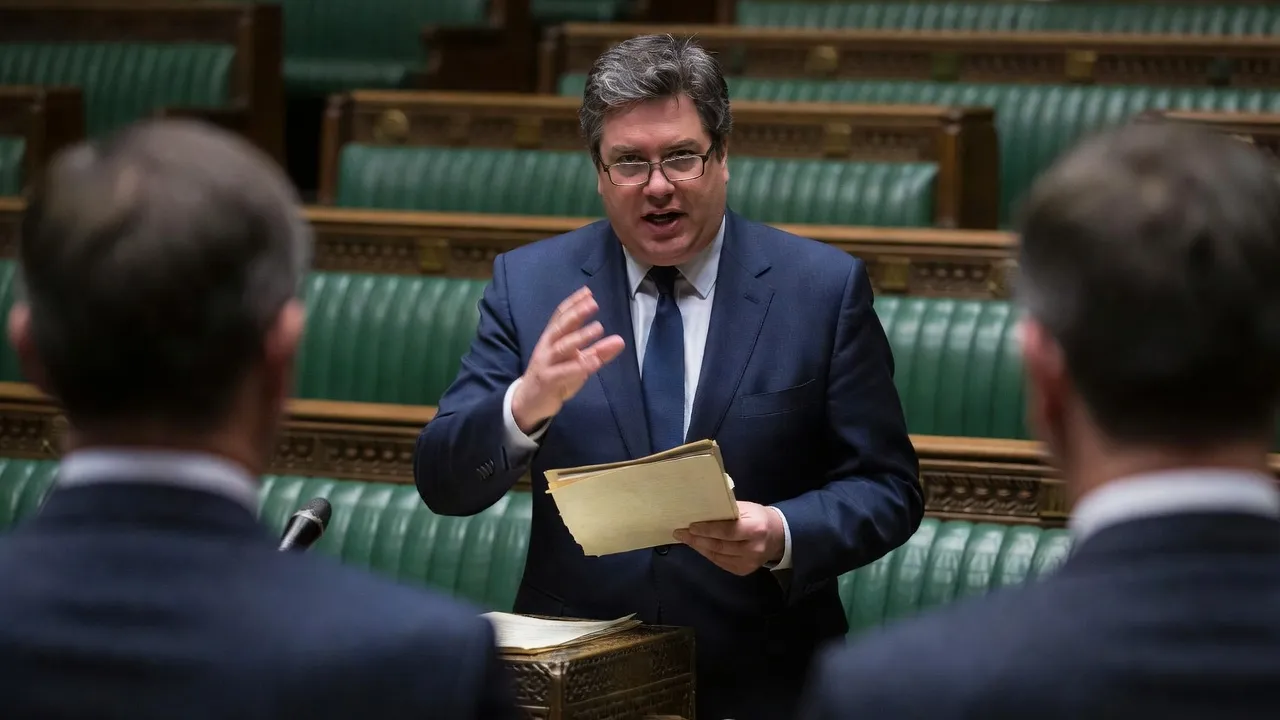
Twelve countries move to ban trade with Israeli settlements; Israel orders the British consulate closed
On Tuesday 8 September, twelve countries — the United Kingdom, France, Canada and nine European states — said they intend to ban trade with Israeli settlements in the occupied West Bank, which British Foreign Secretary Ed Miliband linked to “ethnic cleansing”. Two hours later Israel ordered the British consulate in East Jerusalem to close, told diplomats to leave and barred twelve Britons from entry. Washington said it would not follow.


 +16
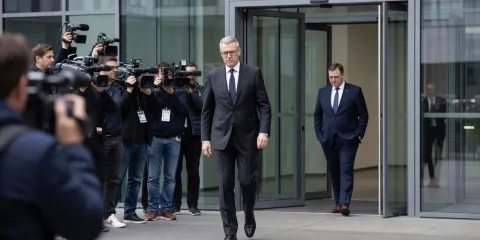
The CDU's "heaviest defeat": Merz holds his ground as the succession fight opens in Saxony-Anhalt
The day after the AfD's victory, Friedrich Merz told reporters at the CDU headquarters in Berlin that he was "deeply shocked", calling the result the party's heaviest defeat in decades. He is holding his position for now, but the internal fight has begun: Sepp Müller is running for the CDU chairmanship in Saxony-Anhalt, and the coalition's reform agenda looks harder to carry.


 +9
AfD wins Saxony-Anhalt with 43.8% and falls three seats short of an absolute majority
The AfD won Sunday's regional election in Saxony-Anhalt with 43.8% of the vote, 23 points more than in 2021, on a record turnout of 77.8%. It takes 39 of the Landtag's 83 seats and falls three short of an absolute majority. Sahra Wagenknecht's BSW scraping in at 5.3% makes both an AfD majority and a cordon-sanitaire coalition of all the other parties impossible at once.
 +13
Volkswagen cuts 50,000 jobs, four German plants left without work and Seat in limbo
Volkswagen's supervisory board unanimously approved a plan on Thursday 3 September that cuts about 50,000 jobs worldwide by 2030. Four German plants — Emden, Zwickau, Hanover and the Audi site at Neckarsulm — have no guaranteed production after 2031, and the fate of Spain's Seat brand, part of the group for forty years, remains undecided.
 +3
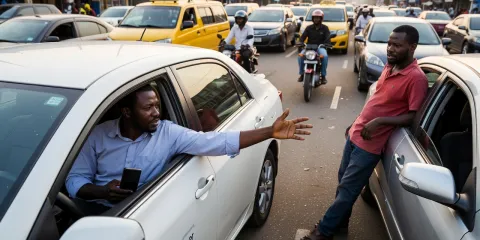
Uber cuts 3,300 jobs and exits Nigeria and Uganda: platforms retreat toward robotaxis
Uber is cutting about 3,300 jobs — nearly 10% of its workforce, its deepest cut since 2020 — and ending operations in Nigeria and Uganda after twelve years. The savings fund its robotaxi pivot, while Bolt says it will stay and Delivery Hero recommends Uber's takeover offer.

 +3
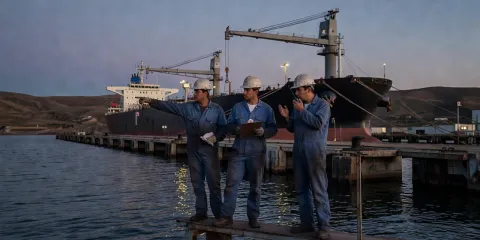
New US strikes near Hormuz: four killed at a wedding, Tehran retaliates into the Gulf
On 1 and 2 September 2026, the United States carried out further strikes against Iran around the Strait of Hormuz, hitting oil tankers among other targets. Several outlets report four people killed at a wedding. Tehran has promised "severe punishment" and struck back at US bases and at Gulf states hosting them. Oil reached a two-month high and Asian markets fell.


 +4
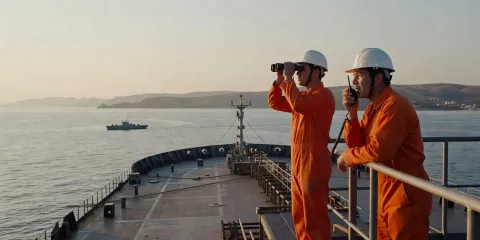
US strikes Hormuz, Iran hits back at Jordan and the Emirates: first exchange of fire in a month
After a month of calm during which Washington had shifted its effort to an economic war, US forces struck missile launchers on an island in the Strait of Hormuz on 31 August 2026. Tehran retaliated against two US bases in Jordan and targets in the United Arab Emirates, which called the attack a dangerous escalation. A tanker was hit by three projectiles in the strait's southern lane and a Saudi supertanker was intercepted. Brent rose to around 91 dollars.

 +10
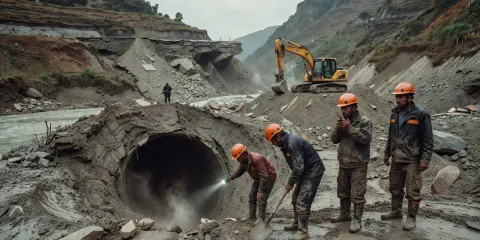
Nepal: 987 bodies recovered in Rasuwa, nearly 900 missing at eleven hydropower sites
A week after the flood triggered by a glacial collapse on the China-Nepal border, Kathmandu announced on 1 September 2026 that 987 bodies had been recovered in Rasuwa district and more than 12,000 people rescued. Nearly 900 remain missing at eleven hydropower sites, including workers trapped in buried tunnels. Prime Minister Balendra Shah attributes the flood to climate change and is seeking help from the Loss and Damage Fund. Death tolls differ, including between Nepali sources.


 +10
Google Maps applies the order: Lake Ontario becomes "Lake America" for US users
Google Maps now shows "Lake America" instead of "Lake Ontario" for users located in the United States, applying the order Donald Trump signed on 28 August 2026. The lake is shared with Canada and borders the province of Ontario. Ontario premier Doug Ford put up a giant sign on the Canadian shore; some Canadian users say they see the new name anyway, although Google says the change is limited to the United States. Seven countries cover the episode.

 +3
Niger: the junta puts down a mutiny in Niamey with Russian help
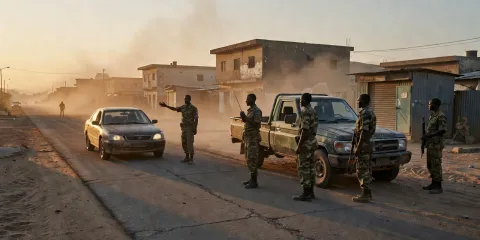
On the night of 29-30 August 2026 gunfire and explosions were heard in Niamey, around the airport and the presidency. It was not a coup but a mutiny against the ruling junta: government forces retook base 101, several soldiers were killed and mutineers arrested. Only five national presses covered the episode.
 +4
Meta settles the teen social media addiction case for $16.7 billion
On 26 August 2026 Meta reached a settlement with 29 US states, ending the Oakland trial over minors' addiction to Instagram and Facebook before its conclusion. The company will pay between $16.68 and $18 billion depending on how the total is counted, without admitting fault, and will apply a two-hour daily limit on Instagram for US teenagers. The next day, the European Commission demanded that Meta "protect our kids too".
+8Understand global stakes from every perspective.
726 subjects · 75 countries · 8278 perspectives