Every angle on the news
Every story decoded through media worldwide, perspective by perspective.
Energy & Climate
87 subjects found
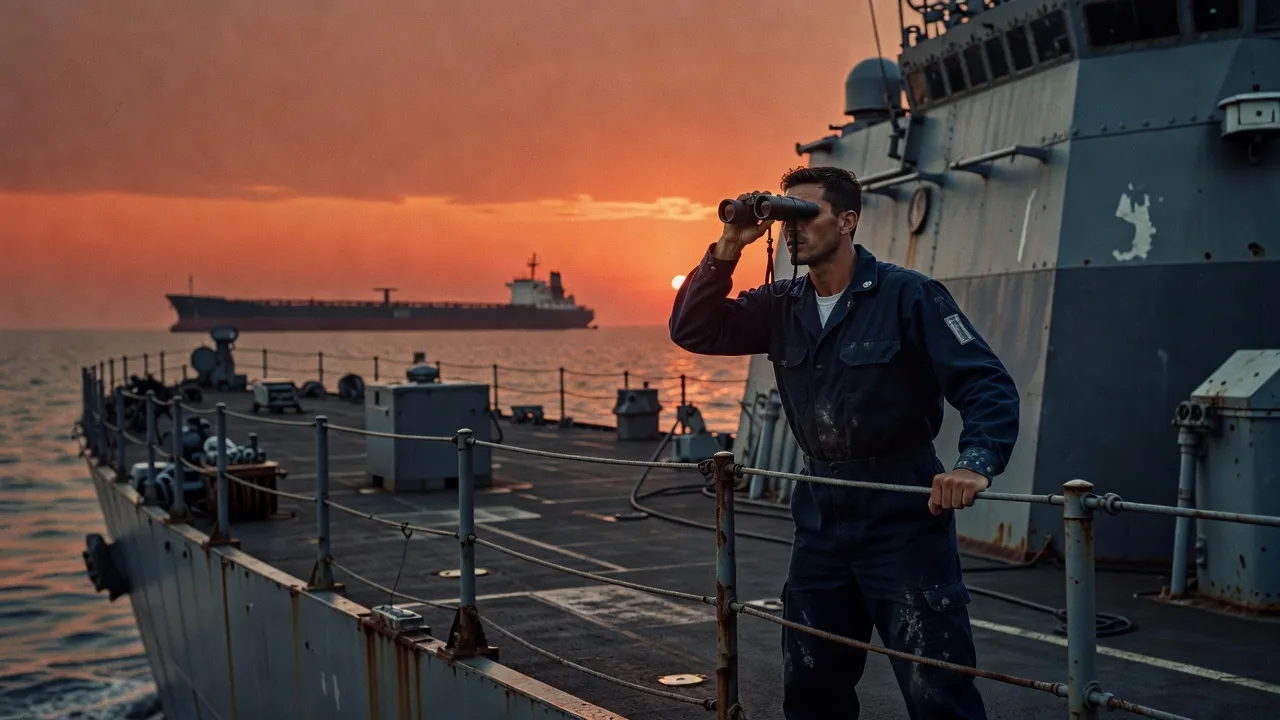
Day 100 of the Iran-USA war: Iranian missiles on Bahrain and Kuwait, U.S. drones in Hormuz, the April ceasefire in tatters
Seven Iranian ballistic missiles toward Kuwait and Bahrain, two drones shot down in Hormuz by the U.S. Navy, the Fifth Fleet targeted: the April 8 ceasefire holds only on paper.


 +7
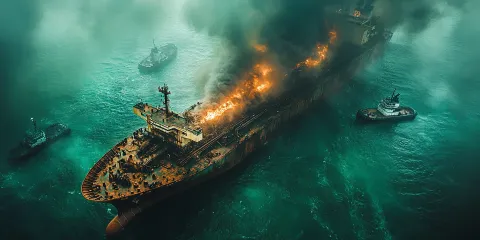
Energy Crisis: The Price of War in Iran Paid at the Pump
Oil surpasses $110 a barrel, the Philippines declares a national energy emergency, Germany passes emergency fuel price laws. From the Strait of Hormuz to gas stations in South Africa, the war in Iran is redrawing the global energy map.


 +4
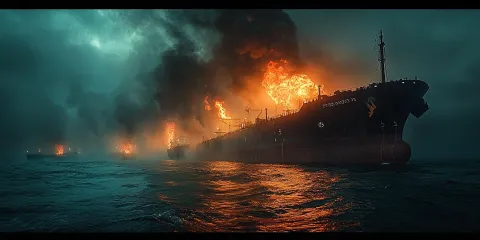
Global Energy Crisis: Asia on the Brink After Strait of Hormuz Closure
Iran's closure of the Strait of Hormuz triggers the worst energy crisis since the 1970s. The Philippines declares a national state of emergency with only 45 days of fuel remaining, while Japan, South Korea and India take drastic energy austerity measures.
 +6
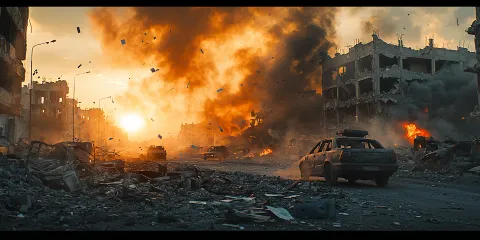
Iran War, Day 25: Contested Negotiations and Military Escalation on All Fronts
As the US-Israeli conflict against Iran enters its 25th day, Trump's claims of ongoing negotiations are categorically denied by Tehran, which calls them 'fake news.' Strikes intensify on multiple fronts — Iranian missiles on Tel Aviv and southern Israel, drones on Saudi Arabia, Israeli-US bombings on Tehran — while Pakistan offers to host talks and the Strait of Hormuz crisis paralyzes the global economy.
+10
Global AI Data Center Energy Crisis: The Race for Electricity Redefines Planetary Dynamics
Electrical consumption from data centers dedicated to artificial intelligence has reached unprecedented levels, triggering an energy crisis that disrupts electrical grids, drives up household utility bills, and forces governments to reconsider their energy strategies. From French nuclear power to Brazilian renewables, each country is seeking its own response to this insatiable appetite for electricity.
 +9
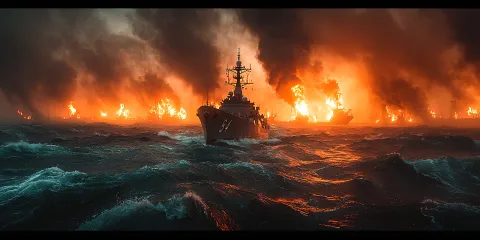
Rising Tensions Between Iran and the United States: Threat to the Strait of Hormuz
Military tensions are intensifying between Iran and the United States, with threats from Tehran to close the Strait of Hormuz. This situation poses a major risk to global energy security, affecting international trade and oil prices.


 +21

Trump Faces US-Iran Conflict: Foreign Policy Under Strain
Donald Trump's actions in the conflict between the United States and Iran have raised global concerns. His decisions affect not only regional security but also international energy markets, highlighting the diplomatic and economic challenges of his foreign policy.


 +12
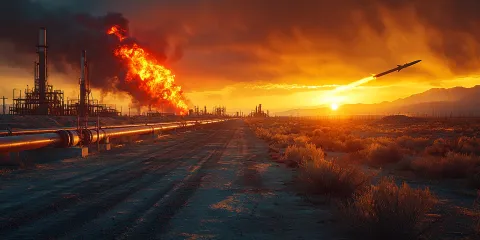
Middle East War: Energy Tensions and Global Crises
Attacks on energy infrastructure in Iran and Qatar trigger a sharp surge in oil and gas prices, intensifying regional tensions and risks of a global economic crisis.
+24
Strait of Hormuz Crisis: Trump Faces Allied Refusal to Intervene Militarily
European and Asian allies are overwhelmingly rejecting Trump's request to send warships to secure the Strait of Hormuz, blocked by Iran. This crisis divides the West and sends oil prices soaring.

 +5
Trump divides allies over securing Strait of Hormuz against Iran
The United States is requesting military assistance from allies to reopen the Strait of Hormuz, which Iran has blocked, but Europe and Asia are largely declining to commit to this conflict, which threatens global energy supplies.
+10
War in Iran: Global Divisions Over Military Intervention and Energy Crisis
The Iranian conflict divides Western allies over military intervention in the Strait of Hormuz, triggering a global energy crisis and major economic repercussions.
 +13
Understand global stakes from every perspective.
726 subjects · 75 countries · 8278 perspectives