
DOMINANT ANGLE
Dhaka takes away from the shipwreck of Djibouti its economic root: poverty and the search for employment in the Gulf drive Ethiopian migrants onto a deadly route.
Dominant angle identified — does not reflect unanimity of this country’s media
KEY POINTS
- 01
At least 109 migrants have died, including 52 men, 42 women and 15 children, and more than 116 are missing, according to the IOM (October 11).
- 02
More than 80 survivors, all Ethiopians; the boat capsized near Guhere, north of Obock, on the night of October 8-9.
- 03
Alexandre Coissac (IOM) links the tragedy to the search for "economic opportunities" on this migration corridor to the Gulf.
ANALYSIS
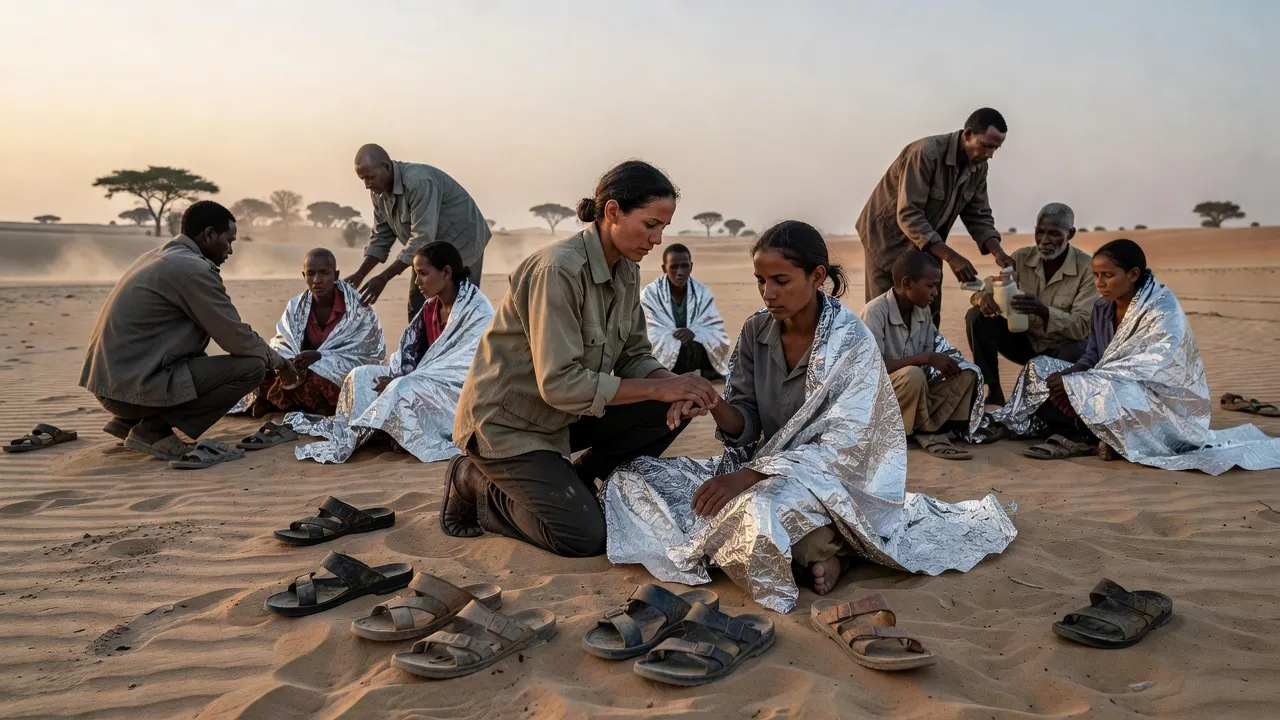
Dacca, October 12, 2026. The Bangladeshi press is covering the shipwreck off the coast of Djibouti based on information from the International Organization for Migration (IOM), published on Sunday, October 11. The Daily Star and TBS News report that at least 109 migrants, including 15 children, died when a boat capsized in the night of October 8 to 9, near Guhere, north of Obock, shortly after its departure towards Yemen.
The detailed toll includes 52 men, 42 women, and 15 children, including nine girls and six boys. More than 116 people are missing. The number of passengers varies according to the accounts: around 305 for TBS News, 350 for the Daily Star, which cites the survivors. More than 80 people survived, all of Ethiopian nationality.
The dominant narrative is that of the economic causes of the exodus. Both titles quote Alexandre Coissac, IOM's chief of mission in Djibouti: this tragedy is "a brutal reminder of the dangers faced by migrants along this migration corridor" as they seek "economic opportunities". The Daily Star specifies that the crossing of the Bab el-Mandeb Strait aims for the Gulf countries, and quotes the IOM: "poverty, insecurity, and the growing effects of climate change" drive many people to leave despite regional instability.
TBS News adds the context of Yemen, the scene of the most serious escalation between government forces supported by Saudi Arabia and the Houthis supported by Iran since the UN ceasefire in 2022. Relief efforts are only briefly mentioned: IOM teams are working with local authorities, who are continuing the search, treating survivors, and organizing burials.
Both articles maintain a sober and factual tone, without editorial commentary or a Bangladeshi perspective. TBS News notes that an Ethiopian government spokesperson did not immediately respond to requests for comment, and that the Djiboutian government could not be reached. Neither text mentions smugglers, criminal responsibilities, or a link to the internal Ethiopian situation.