
DOMINANT ANGLE
Paris is primarily focused on the human toll of the shipwreck off the coast of Obock, reported almost exclusively through UN and IOM press releases, with a death toll ranging from 109 to 139.
Dominant angle identified — does not reflect unanimity of this country’s media
KEY POINTS
- 01
According to the IOM, the death toll has risen from 109 to at least 139, including 15 children, after the discovery of 30 additional bodies, with 84 missing (France 24, Le Monde).
- 02
More than 80 survivors, all Ethiopian nationals, including 64 being cared for at the Obock migrant aid center (BFMTV, Sud Ouest).
- 03
Approximately 178,000 arrivals from Ethiopia to Djibouti between January 1 and October 1, 2026, including more than 20,000 since September 10 (Sud Ouest).
ANALYSIS
Paris, October 12, 2026. The French press is reporting on the shipwreck that occurred on the night of October 8-9 off the coast of Djibouti, relying almost entirely on statements from the UN and the International Organization for Migration (IOM). On Sunday, October 11, the death toll rose from 109 to at least 139, "after the discovery of 30 additional bodies," according to France 24, citing the IOM. Le Monde reports that 84 people are still missing, while BFMTV, RFI, and Sud Ouest, which are quoting the initial statement, still mention more than 116 missing people.
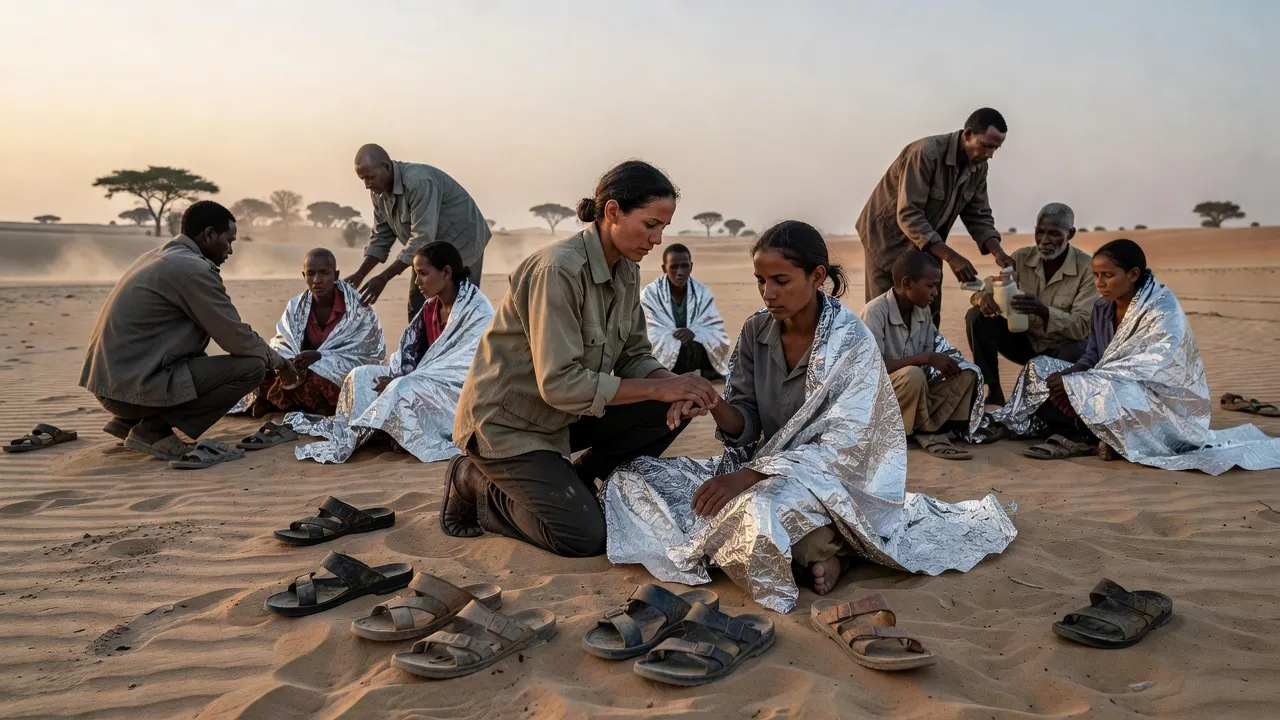
The numbers regarding the vessel vary depending on the source. L'Obs and Le Monde mention 305 people on board, while France 24, BFMTV, and RFI report 350, "according to survivors." The boat capsized near Guhere, north of Obock, en route to Yemen. Among the recovered bodies are 52 men, 42 women, and 15 children, including nine girls and six boys. More than 80 people survived, all of Ethiopian nationality; the IOM is assisting 64 of them at its Obock center, providing care, temporary housing, and food aid, while the Djiboutian authorities continue their search.
The articles extensively quote Alexandre Coissac, IOM's chief of mission in Djibouti: "This tragedy brutally reminds us of the dangers faced by migrants along this migration route." RFI also reports his observation of a "devastating human loss."
The context is provided by the IOM, which Le Monde and Sud Ouest are quoting: tens of thousands of migrants from the Horn of Africa transit through Djibouti and cross the Bab el-Mandeb Strait to Yemen every year, hoping to reach the Gulf countries. "Poverty, insecurity, and the increasing consequences of climate change" are driving them to leave. Since September 10, the IOM has recorded over 20,000 arrivals from Ethiopia to Djibouti, and approximately 178,000 between January 1 and October 1, 2026, according to Sud Ouest.
RFI places the drama on the so-called Eastern route, "one of the most used routes in the world," where the conflict in Yemen, which has recently escalated, is not deterring candidates from leaving. It recalls that the IOM had already recorded 94 deaths on this axis in the first quarter of 2026, figures that it considers largely underestimated. The reporting remains factual and focused on the victim count, without any reported official French reaction in the corpus.