DOMINANT ANGLE
Riyadhh is tightening its circle of allies around the Mecca defense pact, prioritizing Ankara and Islamabad over Paris, as its forces announce they have intercepted six Houthi ballistic missiles targeting Taif and Yanbu.
Dominant angle identified — does not reflect unanimity of this country’s media
KEY POINTS
- 01
The air defense forces intercepted and destroyed six Houthi ballistic missiles targeting Taif and Yanbu, according to General Turki Al-Maliki, spokesperson for the coalition to support legitimacy in Yemen.
- 02
The foreign ministers of Saudi Arabia, Turkey, and Pakistan, meeting Thursday in New York under the Mecca defense agreement, condemned the attacks on Mecca and Saudi civilian and economic facilities, and are preparing an emergency meeting of chiefs of staff.
- 03
The Saudi Civil Defense triggered then lifted an alert for Makkah, Jeddah, Taif, Yanbu, and Tabuk, urging residents to remain calm, not to film, and to call the emergency number 998.
ANALYSIS
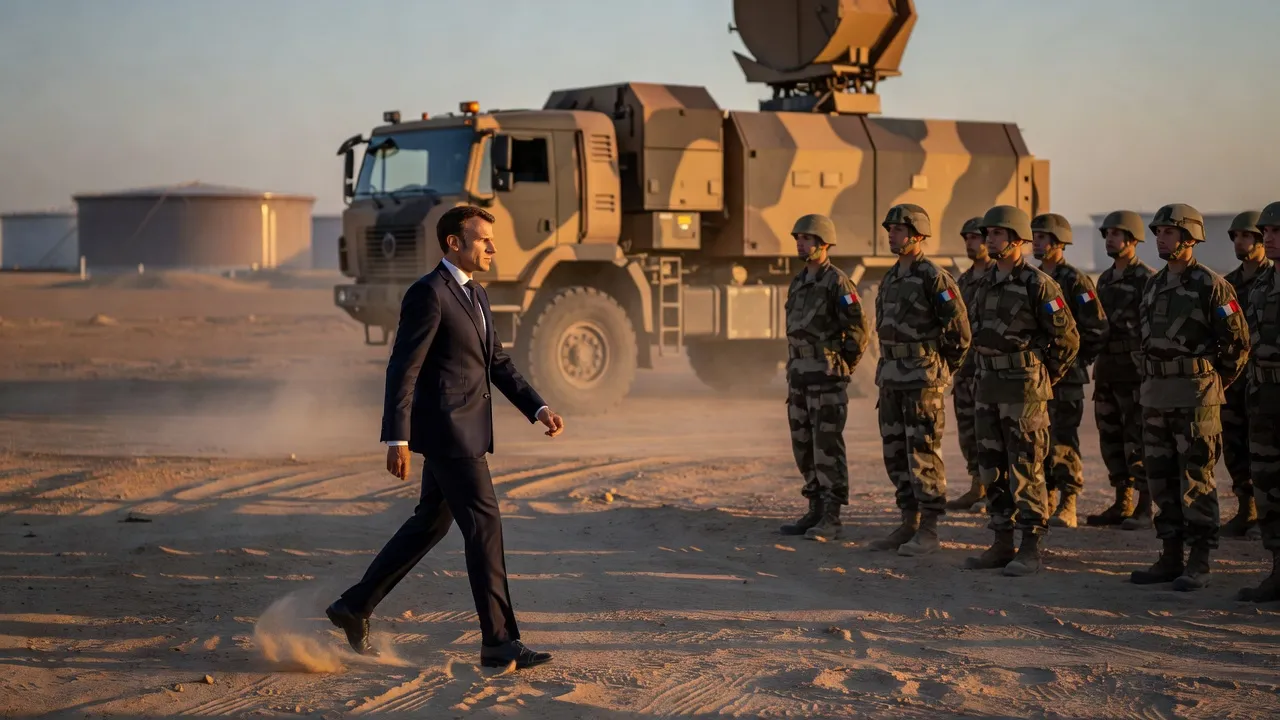
Riyadh, September 25, 2026. While Paris announces the deployment of troops, radar systems, and defense systems to Yanbu, the Saudi press is focusing its coverage on another front: the joint defense pact of Mecca, signed on August 7 with Turkey and Pakistan. On Thursday in New York, Foreign Minister Faisal bin Farhan met with his Turkish counterpart Hakan Fidan and Pakistani Vice Prime Minister Mohammad Ishaq Dar at the Saudi mission to the UN. The three ministers condemned the attacks targeting Mecca and the kingdom's civilian and economic installations, praised the vigilance of the Saudi armed forces, and reaffirmed Riyadh's right to defend itself under Article 51 of the UN Charter. They also agreed to prepare an emergency meeting of the three countries' chiefs of staff, as the Mecca agreement stipulates that an attack on one of its members constitutes an attack on all; the ministers also recalled the importance of maritime navigation freedom, a direct stake for a port like Yanbu.
On the ground, Saudi air defense forces claim to have intercepted and destroyed six ballistic missiles fired by what General Turki Al-Maliki, spokesperson for the coalition to support legitimacy in Yemen, calls the "Houthi terrorist militia," targeting Taif and Yanbu. He promises that escalations and violations will be dealt with firmly. The Civil Defense, on the other hand, triggered and then lifted, in a few hours, an alert for Mecca, Jeddah, Taif, Yanbu, and Tabuk, calling on residents to remain calm, not to film or gather, and to dial 998 in case of need.
In this narrative, the French announcement of military means for Yanbu takes a back seat: today's Saudi articles do not mention it, preferring to highlight regional solidarity and the kingdom's ability to respond. The message being conveyed is twofold: internally, to reassure a population subjected to repeated sirens; externally, to show that Riyadh already has, with Ankara and Islamabad, a diplomatic-military security net that does not depend on a single Western power. Yanbu, which has become the lifeline for the kingdom's oil exports since the tensions in the Red Sea, remains at the center of a battle where Riyadh is promoting its own alliances as much as its own defenses.





