
DOMINANT ANGLE
Singapore gauges the escalation in the Red Sea in light of its own status as a petroleum and maritime hub, rather than as a distant military security issue.
Dominant angle identified — does not reflect unanimity of this country’s media
KEY POINTS
- 01
Saudi Arabia intercepted six Houthi ballistic missiles on September 24, thwarting attacks targeting Taif and the Yanbu oil terminal, according to coalition spokesman Turki al-Maliki.
- 02
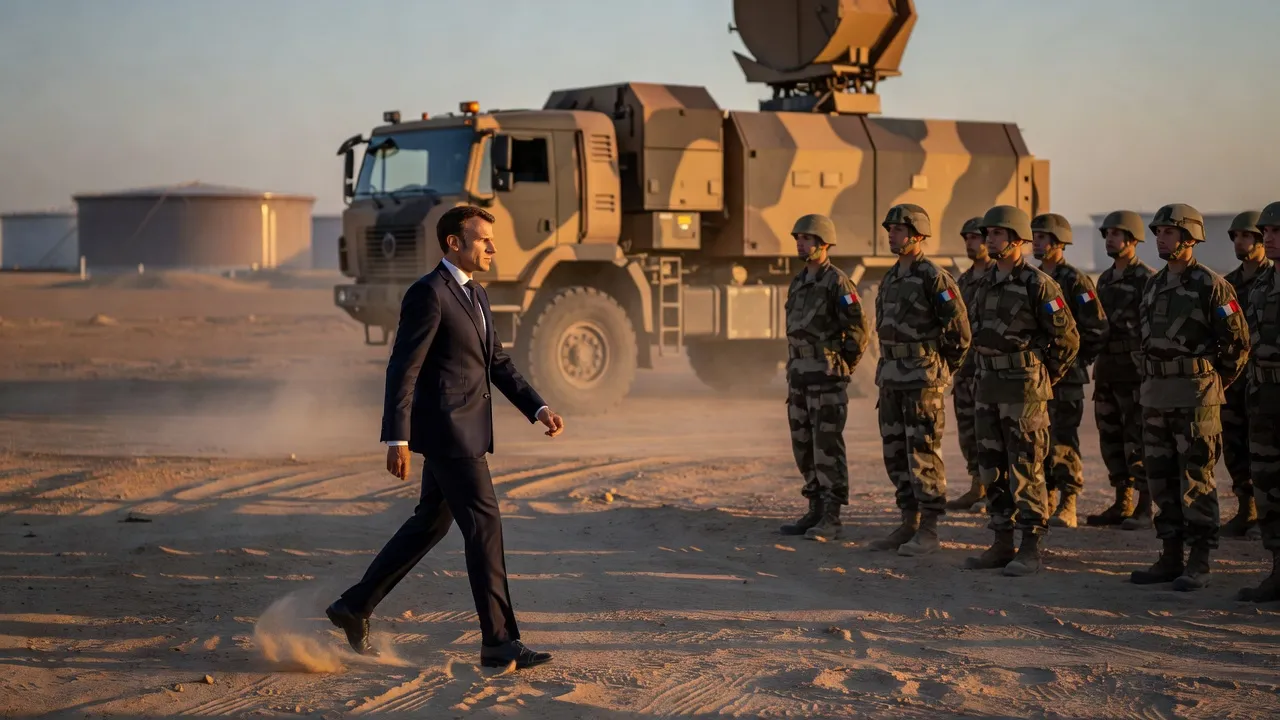
France announced the deployment of "military assets" to protect the Yanbu oil terminal, which has become the lifeline for Saudi crude exports.
- 03
Fighting in Yemen has intensified since the collapse of the truce in July, with casualties reported by both sides to AFP from seven sources, while the Houthis maintain a naval blockade targeting Saudi oil tankers.
ANALYSIS
Singapour, September 25, 2026. For the city-state, a global hub for refining and maritime trade, the escalation in the Red Sea is first and foremost seen through the prism of energy supply. Straits Times and Channel News Asia report that Saudi Arabia intercepted several Houthi ballistic missiles on September 24, after issuing alerts for Mecca, Yanbu, Taif, Jeddah, and Tabuk, which were lifted a few minutes later. The Riyadh-led coalition claims to have neutralized six missiles, foiling attacks targeting Taif and the Yanbu oil terminal, which has become the primary backup point for Saudi exports since the Houthis imposed a naval blockade on oil tankers and infrastructure. Coalition spokesman Turki al-Maliki warned on X that "violations by the Houthi terrorist militia will be dealt with firmly".
In this context, France has announced the deployment of "military assets" to protect Yanbu, a move that local media directly associates with securing oil flows that the Gulf, the world's largest crude exporter, depends on. The two publications emphasize that the Houthi gains since July, when the multi-year truce collapsed, consolidate Iran's and its allies' grip on strategic straits, including Bab al-Mandab, described as vital for regional control and oil exports. The Houthis have also seized large swaths of Yemen's Red Sea coastline, essential for Saudi exports, strengthening their control over the two maritime routes that the entire Gulf relies on to export oil and fuel. Fighting on the ground has also intensified, with casualties on both sides, according to a tally compiled by AFP from seven sources.
The editorial teams also note that Iranian President Massoud Pezeshkian denied on Thursday that Tehran controls the Houthis, without the articles providing further details. For an economy that relies on maritime transit and refining, the repetition of alerts in Saudi regions illustrates the persistent fragility of hydrocarbon routes that Singapour closely monitors, without the articles mentioning any repercussions on prices or flows passing through local refineries for now.