
DOMINANT ANGLE
Canberra is eyeing the US withdrawal from Iraq through the lens of security risks: a vacuum that would benefit Iran, its armed allies, and a possible resurgence of the Islamic State.
Dominant angle identified — does not reflect unanimity of this country’s media
KEY POINTS
- 01
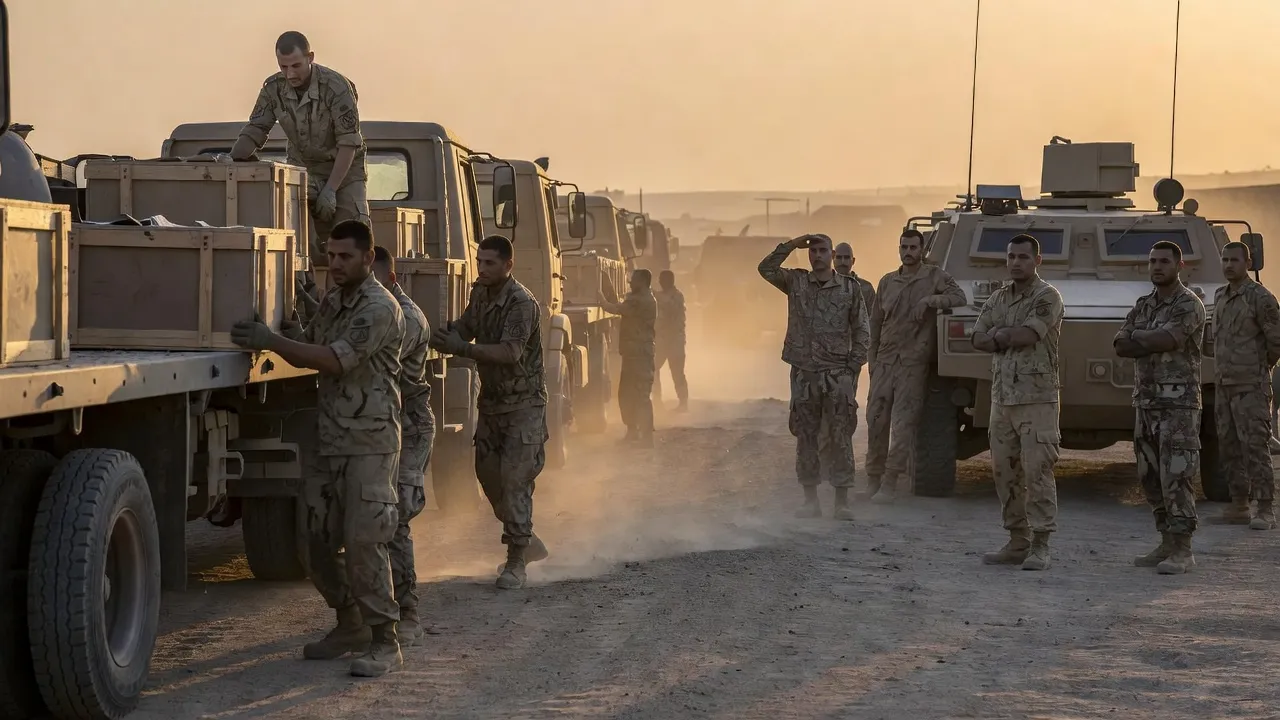
US forces must leave their last Iraqi bases by Wednesday, September 30, according to SBS and PerthNow.
- 02
Around 4,500 American soldiers have died in Iraq over more than two decades of war.
- 03
An Islamic Resistance commander in Iraq describes the withdrawal as a "historic victory"; Iraqi security officials fear a return of the Islamic State.
ANALYSIS
Canberra, 30 September 2026. SBS News and PerthNow are reporting on the departure of the last American forces from their Iraqi bases, expected on Wednesday, 30 September. They describe a departure "celebrated as a victory by Iran and its allies", who now exert a profound influence in a country where 4,500 Americans have died over more than two decades of war.
The two articles highlight the paradox of the calendar: the withdrawal, agreed upon in 2024 under Joe Biden, is being carried out by the administration of Donald Trump while Washington is at war with Iran. SBS presents it as the end of the most costly war for the United States in the 21st century.
The strategic analysis comes from an Iraqi analyst, Jasim al-Bahadli, a specialist in Shia armed groups aligned with Tehran. For him, "Iran is in a position to benefit strategically" from the departure of the coalition, which eliminates a military presence that has long served as a counterbalance. He predicts that pro-Iranian militias will seek to "translate this momentum into increased influence" over security and political decisions.
The report also gives a voice to Abu Mojtaba al-Yasiri, commander of the Islamic Resistance in Iraq, who describes the withdrawal as a "historic victory" and a "crushing defeat of the American project". He told Reuters that 30 September would mark the "dark page" turned in Iraqi history.
The second aspect is the jihadist risk. Iraqi security experts believe that the withdrawal could leave space for a return of the Islamic State and other US adversaries. The article notes that the departure of troops is widely popular among Iraqis, but those who worry about the strength of Iran-backed groups consider it premature.
The available excerpts do not mention the Australian contribution to the coalition or a reaction from Canberra: the coverage is based on international dispatches and Iraqi voices.





