
DOMINANT ANGLE
Singapore takes note of the death of Maricarmen Abascal as a pivotal moment in Spanish politics: a death that puts housing at the center of the snap elections on November 29.
Dominant angle identified — does not reflect unanimity of this country’s media
KEY POINTS
- 01
Maricarmen Abascal, 87, died on October 7, according to the Madrid tenants' union, after being evicted on September 23 on a stretcher.
- 02
The Parliament's rejection of emergency housing measures led Pedro Sánchez to call for early elections on November 29, instead of 2027.
- 03
The tenants' union claims an agreement allowing her to return home had been reached: "This solution came too late".
ANALYSIS
Singapour, 8 October 2026. The Straits Times and Channel News Asia devoted a dispatch from AFP, published verbatim, to the death of Maricarmen Abascal, presenting the deceased as the starting point of a political crisis rather than a mere news item.
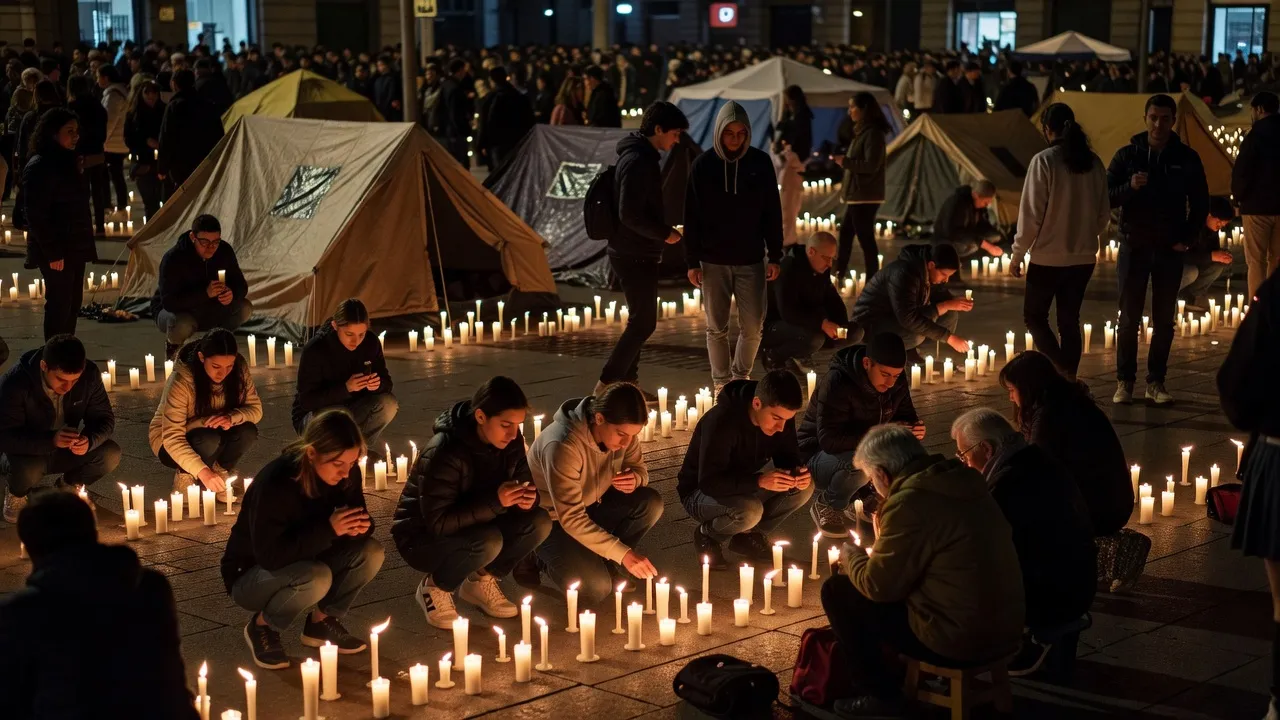
The text recalls that this 87-year-old woman from Madrid died on Wednesday, 7 October, according to the Madrid tenants' union. Her eviction on 23 September from her lifelong home on a stretcher had triggered demonstrations across the country after the apartment's owner had significantly raised the rent. The two media outlets retain the image of hundreds of people camping on the Puerta del Sol, "the most symbolic" of the mobilisations.
The account emphasises the institutional follow-up. The movement put pressure on the minority left-wing government, which was urged to present emergency measures: more restrictions on evictions and automatic renewal of leases. Their rejection in Parliament the previous week led Socialist Prime Minister Pedro Sánchez to call for early elections on 29 November, although the vote was scheduled for 2027. The articles specify that housing will occupy a prominent place in the election.
The only quote is from the tenants' union, which judges that Abascal's case marks "a turning point in the history of this country" and that "the debate on housing is central, but the cost of getting there was too high". It recalls that Abascal had been hospitalised for exhaustion after the eviction and that an agreement with the owner allowed her to return home: "This solution came too late. A totally avoidable situation after a tortuous process."
The brief articles do not detail the amount of the rent, the opposition's reactions, or the structural causes of the price increase. No voice from the government, opposition, or owner is quoted: only the tenants' union is cited, and the two media outlets follow it without commentary. The framing remains that of a political chronicle: a death, a parliamentary rejection, an election.