
DOMINANT ANGLE
Paris is deciphering the meteorological mechanism behind these rains, which are nine times higher than normal, by mobilizing the expertise of a CNRS researcher to explain the meeting of two disturbances between the Bay of Bengal and the westerly flow.
Dominant angle identified — does not reflect unanimity of this country’s media
KEY POINTS
- 01
In Uttar Pradesh, 66.5 mm of rain fell between Friday and Sunday, compared to 7.6 mm on average for the season, nearly nine times more (RFI, Sud Ouest)
- 02
At least 56 dead in India and 12 to 14 in Nepal according to the tolls reported Sunday by the authorities, over a thousand homes damaged
- 03
In the Indian state of Odisha, more than 70,000 people living in low-lying areas were evacuated after the rivers overflowed, according to Sud Ouest citing NDTV
ANALYSIS
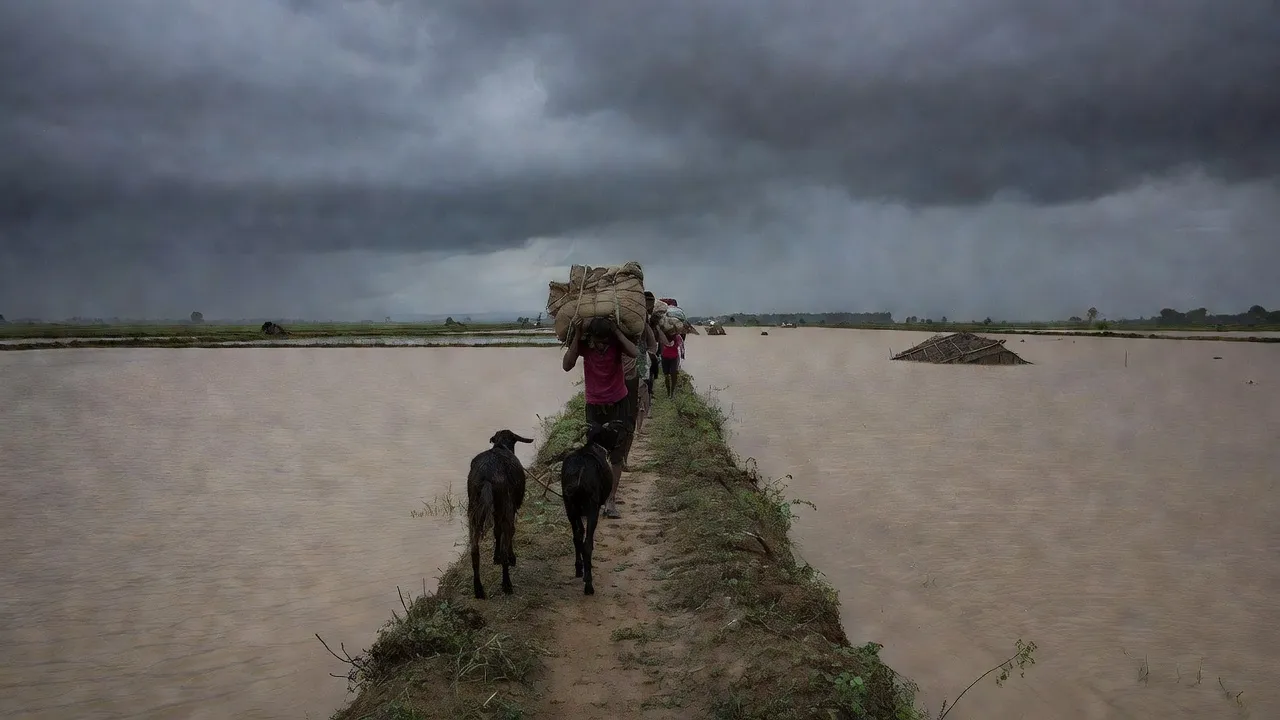
Paris, Monday, September 28, 2026. The French press details, with figures, the exceptional extent of the rains that have hit India and Nepal since Friday. According to the reports released Sunday by the authorities of the two countries, at least 56 people have died in three days in the Indian state of Uttar Pradesh, and 12 to 14 others in neighboring Nepal, according to sources, bringing the total to at least 68 dead. In Uttar Pradesh, a state of more than 240 million inhabitants accustomed to the monsoon between June and September, 66.5 millimeters of rain fell between Friday and Sunday, compared to a seasonal average of 7.6 millimeters, or nearly nine times more. More than a thousand homes have been damaged.
In Nepal, already dealing with the consequences of the August 26 catastrophe, according to RFI, the spokesperson for the national disaster management authority, Shanti Mahat, told AFP that seven people have been missing since Thursday. In the Indian state of Odisha, more than 70,000 people living in low-lying areas have been evacuated after the rivers overflowed, reports Sud Ouest, citing the Indian channel NDTV; bridges have been damaged and the Devkund tourist site closed.
What distinguishes the French treatment is the scientific explanation of the phenomenon: RFI interviewed Fabio D'Andrea, research director at the CNRS and director of the geosciences department at the ENS-PSL, who details the meeting of two meteorological systems, a depression born over the Bay of Bengal, rising inland, and a disturbance coming from the West. This conjunction, according to him, has intensified precipitation throughout the Himalayan region.
The articles also recall the agricultural damage: Indian farmers are worried about sowing delays for the next season, an economic issue that the French press directly links to the disruption of the monsoon rather than just local relief management. The systematic reminder of the August 26 catastrophe in Nepal, which had already killed many, highlights for the French media a repeated vulnerability of the Himalayan valleys to increasingly intense precipitation, barely a month after the previous deadly episode.