
DOMINANT ANGLE
Islamabad is first considering the human toll of the floods in India and Nepal, a count of the dead and missing that reminds Pakistanis of their own trauma from the 2022 monsoon.
Dominant angle identified — does not reflect unanimity of this country’s media
KEY POINTS
- 01
56 deaths were recorded in India and 14 in Nepal, where 11 people remain missing, according to the tolls reported on Sunday, September 27.
- 02
In Uttar Pradesh, 66.5 mm of rain fell between September 25 and the morning of September 27, compared to the usual 7.6 mm, according to Relief Commissioner Hrishikesh Bhaskar Yashod.
- 03
The flooding of the Rahuganga River damaged a 40-megawatt hydroelectric plant and cut off electricity in the districts of Manang, Mustang, Myagdi, and Baglung.
ANALYSIS
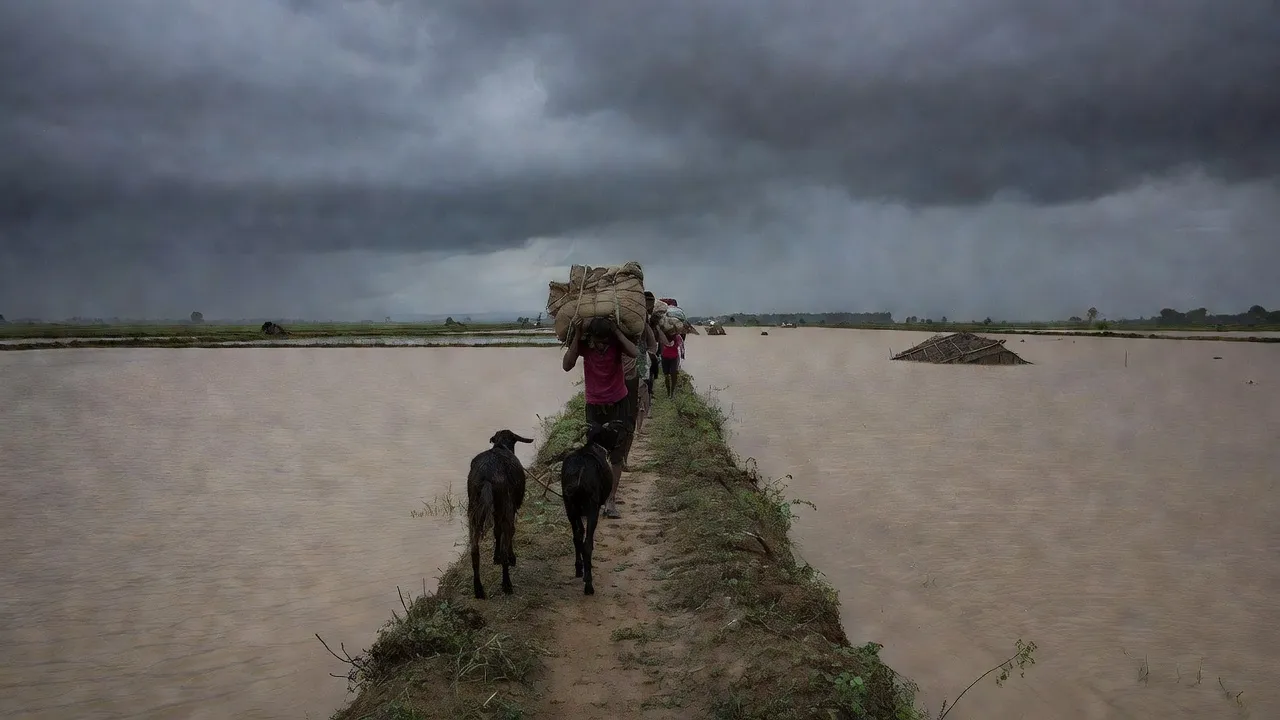
Islamabad, September 28, 2026. Not a word in the Pakistani press about the floods hitting India and Nepal escapes the parallel with 2022, when a third of Pakistani territory was underwater. Business Recorder, ARY News, and Geo News on Sunday reported the same toll released by the authorities: at least 56 dead in India and 14 in Nepal, where 11 people remain missing.
In Uttar Pradesh, 46 people were injured and over 1,000 houses damaged, according to Relief Commissioner Hrishikesh Bhaskar Yashod, who noted that 66.5 millimeters of rain fell between September 25 and the morning of September 27, compared to the usual 7.6 millimeters for this period. Local authorities have been instructed to assess crop damage and prepare compensation, while relief operations continue in the flooded areas.
Nepalese authorities have warned of a risk of sudden floods in 49 of the country's 77 districts. The power is out in the districts of Manang, Mustang, Myagdi, and Baglung, and the flood of the Rahuganga River damaged the structure and pylons of a 40-megawatt hydroelectric plant, according to Water and Energy Minister Biraj Bhakta Shrestha.
The spokesperson for Nepal's disaster management authority, Shanti Mahat, specified that Rasuwa and Nuwakot -- which were hit last month by floods that killed over 1,450 people and left thousands missing -- must remain "on alert" without being classified as high-risk areas. In India, the Central Water Commission reported a "grave situation" at 30 monitoring stations across seven states, with several major rivers, including the Ganges, exceeding their alert levels.
For the Pakistani press, which is reproducing these tolls almost word for word from a Reuters dispatch, the focus is primarily on the count of dead, injured, and missing, rather than on the climatic causes or political responsibilities. Pakistan, which is regularly exposed to the same monsoons, sees this as confirmation of a shared regional vulnerability to Himalayan and Ganges floods.