
DOMINANT ANGLE
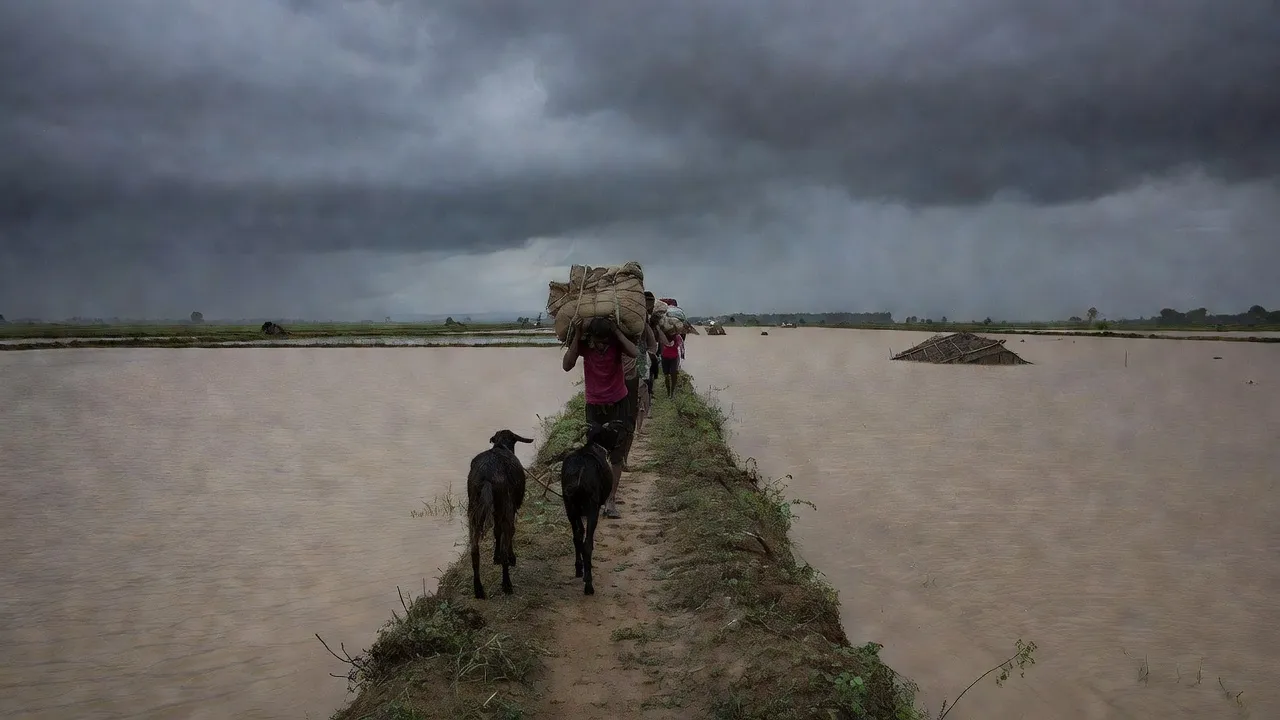
New Delhi is assessing a situation that is worsening in Uttar Pradesh while keeping a close eye on its neighboring Nepal, which is still recovering from the August floods.
Dominant angle identified — does not reflect unanimity of this country’s media
KEY POINTS
- 01
Uttar Pradesh received 66.5 mm of rain between September 25 and the morning of September 27, compared to the normal 7.6 mm, an excess of 775%; 56 dead, 46 injured, and over 1,000 houses damaged.
- 02
The Central Water Commission reports a serious situation at 30 monitoring stations in seven states, with the Ganges, Gandak, and Kosi rivers above alert levels.
- 03
In Nepal, 14 dead and 11 missing are added to the August toll (over 1,450 dead, over 5,000 missing, with only 1,451 bodies found); a 40 MW hydroelectric power plant was damaged by the flooding of the Rahuganga.
ANALYSIS
New Delhi, September 28, 2026. The Indian press is drawing up a balance sheet that is worsening by the hour: at least 56 dead and 46 injured in Uttar Pradesh, where more than 1,000 homes have been damaged by rains of unprecedented intensity. The state's relief commissioner, Hrishikesh Bhaskar Yashod, specified on Sunday that the region had received 66.5 millimeters of rain between September 25 and the morning of September 27, compared to 7.6 millimeters usually recorded during the same period, an excess of 775%. Fifty-six of the state's seventy-five districts have recorded above-normal precipitation, with Farrukhabad reaching 7,385% above seasonal averages.
Sitapur has suffered the heaviest toll, with seven dead, followed by Lakhimpur Kheri, Bahraich, and Balrampur, with five each. The commissioner met with district magistrates from the affected areas on Sunday, asking them to remain on the ground and maintain direct contact with those affected, without neglecting relief operations.
At the national level, the Central Water Commission is reporting a serious situation at thirty measurement stations across seven states: several major rivers, including the Ganges, Gandak, and Kosi, have exceeded their alert levels. Authorities have been tasked with assessing damage to crops for compensation purposes.
Neighboring Nepal, where 14 people have died and 11 remain missing, is receiving extensive coverage in the Indian press: Nepalese authorities are bracing for sudden new floods in 49 of the country's 77 districts, while a 40-megawatt hydroelectric plant was damaged by the flooding of the Rahuganga River, and power remains cut off in four districts. According to Nepal's disaster management authority, 13,795 people have already been rescued since the start of this episode, a sign of the scale of operations underway on both sides of the border.
The Indian press recalls that this new episode comes just a month after the August floods, which killed more than 1,450 people in Nepal and left over 5,000 missing, a grim toll of which only 1,451 bodies have been recovered to date. This chronological proximity is fueling, in the Indian treatment, a regional reading of the disaster rather than a strictly national account.
SOURCES (3)
- The Hindu Business LineMEDIUM
- Deccan ChronicleMEDIUM
- Free Press JournalMEDIUM