
DOMINANT ANGLE
Buenos Aires sees in Trump's outburst against Zelensky the consolidation of a rapprochement with Moscow, sealed by the agreement on Russian diesel and criticized by Europeans.
Dominant angle identified — does not reflect unanimity of this country’s media
KEY POINTS
- 01
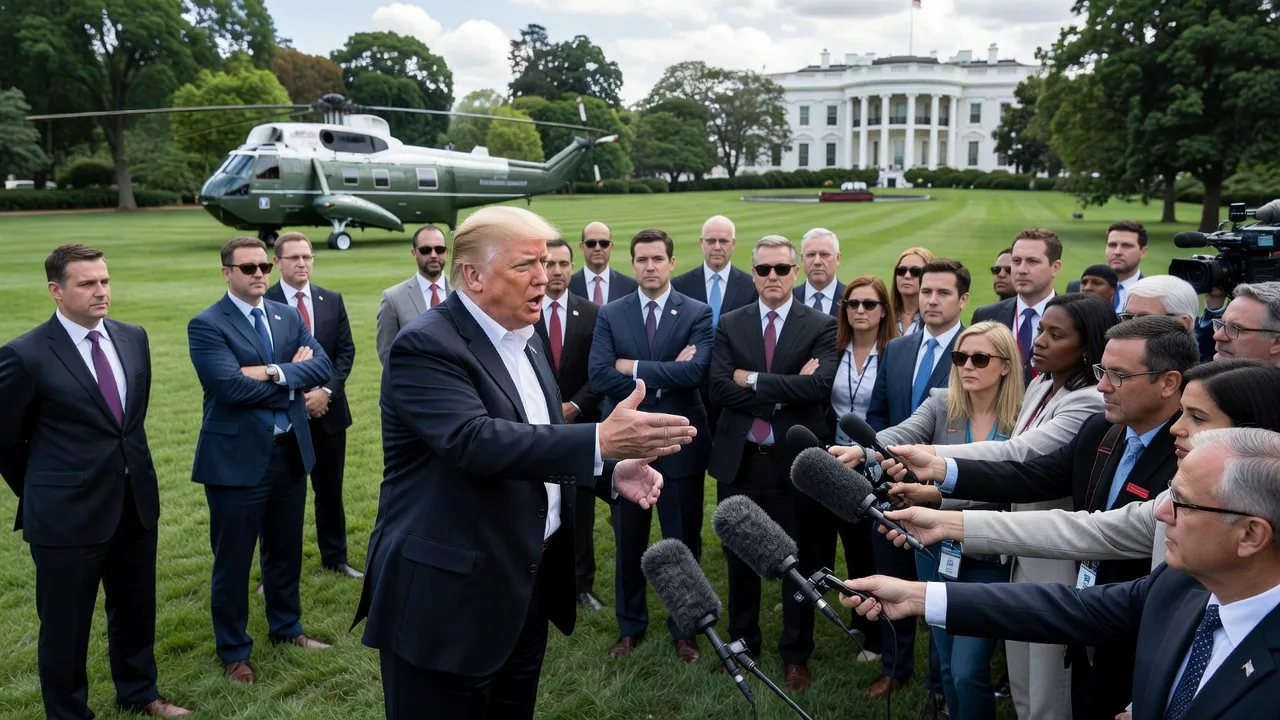
Trump stated on Saturday at the White House: "It's time for Ukraine to have a new president," suggesting a leader capable of concluding an agreement (La Nación, Perfil).
- 02
According to Perfil, the agreement with Putin provides for 300,000 tonnes of Russian diesel immediately and 500,000 tonnes in November.
- 03
Kaja Kallas warned that easing restrictions would give Russia more resources for the war: "This is not the time to relieve pressure on Russia" (Perfil).
ANALYSIS
Buenos Aires, October 11, 2026. The Argentine press views the episode as another step in the rapprochement between Washington and Moscow. La Nación headlines that Donald Trump "targets Zelensky and consolidates his rapprochement with Moscow," and notes that the call for a change in leadership followed the agreement on Friday with Vladimir Putin on the purchase of Russian diesel by the United States.
According to the newspaper, Trump stated on Saturday at the White House that it was time for Ukraine to have a new president, suggesting a leader "who can conclude an agreement." He reproaches Zelensky for not having done enough to end the war and holds him responsible for the rise in diesel prices. La Nación recalls that these statements are among the most explicit from the American president against the Ukrainian cause, and that Trump has been pressing Kiev for weeks to stop strikes on Russian energy infrastructure.
Perfil emphasizes the grievance of the refineries. Trump claims to have given Zelensky the freedom to strike Russia, except for these sites: "I told him to do what he wanted against Russia, but not to attack the refineries," and then warned that Zelensky would do better to stop. He links these strikes to supply tensions and price increases, with Russia being a major supplier of diesel. He also mentions American farmers and livestock breeders.
The two media outlets place the agreement in its electoral and energy context. La Nación emphasizes that Trump is trying to lower fuel prices for consumers just a few weeks before the midterm elections, and that he is seeking to attribute record prices to Ukraine rather than to the war against Iran, which has driven up energy prices since February. Trump then left for a Republican meeting in Tennessee.
Perfil details the volumes: Moscow would deliver 300,000 tonnes immediately, then 500,000 tonnes in November, with additional shipments later. It quotes European diplomacy chief Kaja Kallas, who believes that easing restrictions would give Russia more resources to continue the war: "This is not the time to ease pressure on Russia, and Europe will not do so." La Nación notes that the statements have sparked strong criticism from European allies.
The coverage remains focused on Washington and the European reaction, with Kiev's voice appearing only in the background.