Canada — news through its media
Stories followed in this country, with their framing set against the rest of the world.
304 subjects found
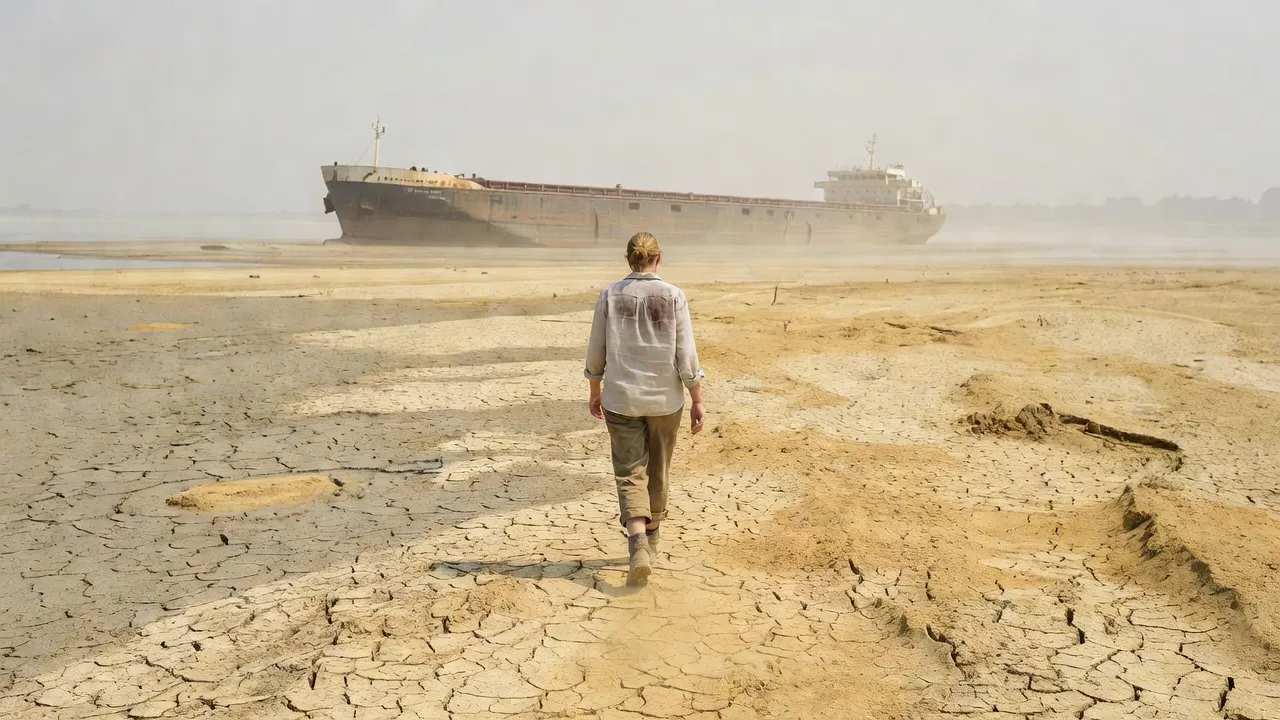
July, the hottest month ever recorded in the United States: Europe under its fifth heatwave, South Korea parched
Copernicus recorded the hottest June-July ever measured in Western Europe (21.62 °C) and NOAA confirmed the hottest July in the contiguous United States. A fifth heatwave hits Europe: rivers at record lows, nuclear reactors under strain, 70% of France under water restrictions. At the same time, South Korea is mobilising its army against drought — with no narrative link to Europe.


 +10
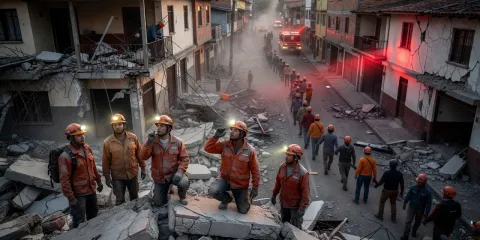
Magnitude 7.4 Earthquake in Colombia: National Disaster Declared Three Days After Espriella's Inauguration
At 7:34 a.m. on Monday, a magnitude 7.4 earthquake struck western Colombia, with its epicentre in Chocó. Felt as far as Quito, Panama and Caracas, it collapsed Pereira's airport and damaged hundreds of buildings. The president, in office for three days, declared a national disaster. Depending on the newsroom, the toll runs from 111 to 138 dead — and more than 2,000 people are registered as missing.


 +16
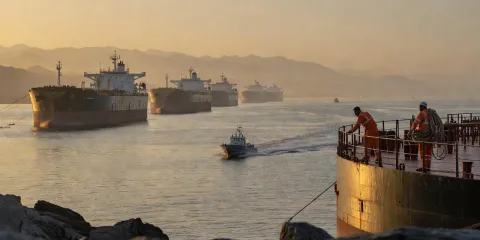
Iran Sets Six Conditions for Reopening Hormuz as the Revolutionary Guards Call the Strait a 'Theatre of War'
On Saturday the secretary of Iran's Supreme National Security Council published six preconditions for reopening the Strait of Hormuz: an end to the war, the lifting of the naval blockade and of sanctions, the withdrawal of US forces, compensation for war damage and the release of frozen assets. On Sunday the Revolutionary Guards hardened the line while Oman negotiated a temporary shipping corridor and Washington spoke of 'some progress'. A fifth of the world's oil is waiting.


 +19
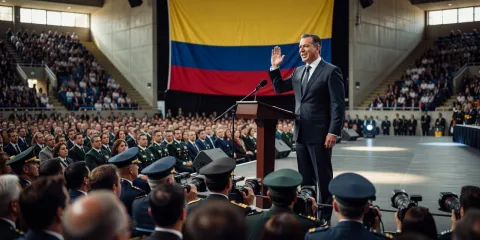
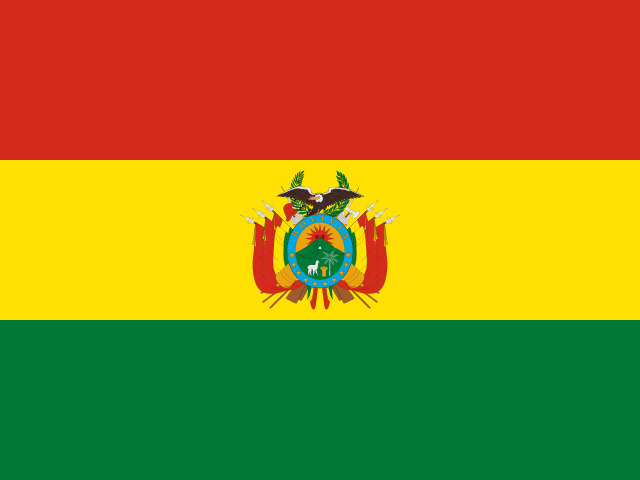
Abelardo de la Espriella sworn in as Colombia's president, in Cali not Bogotá
On 7 August 2026, millionaire lawyer Abelardo de la Espriella was sworn in for 2026-2030 before Milei, Kast, Noboa, Felipe VI and Infantino — but not Gustavo Petro. The ceremony was moved to Cali, the first speech delivered in a barracks, 11,000 personnel deployed. Fifteen countries describe the same man under fifteen different names: Trump ally, far-right president, anti-establishment outsider.

 +11
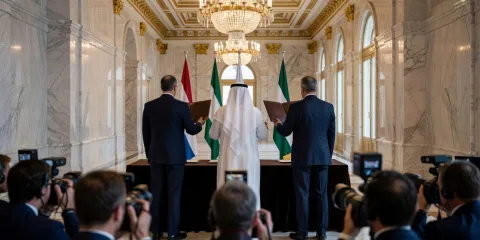
Saudi Arabia, Turkey and Pakistan sign the Mecca defence pact
On 7 August 2026, Mohammed bin Salman, Recep Tayyip Erdoğan and Shehbaz Sharif signed an agreement at Al-Safa Palace stating that an armed attack on any one of the three countries will be treated as an attack on them all. Riyadh insists it is 'neither a military axis nor a sectarian bloc'; thirteen countries read it differently, and Iran, its implicit target, is absent from the account.

 +9
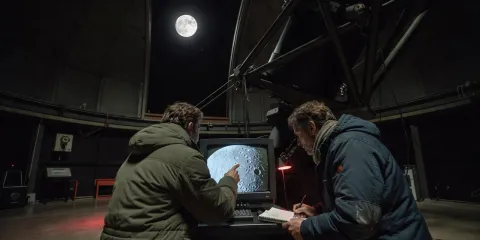
A SpaceX rocket stage crashes into the Moon and leaves a crater
On 5 August 2026 at 06:35 GMT, the upper stage of a Falcon 9 launched in January 2025 struck the Moon at 8,690 km/h after eighteen months adrift. The object is the same everywhere; its meaning is not. Twelve countries read it in turn as a scientific windfall, a space-debris problem, or a chance to prove their own capabilities — and the United States, where the rocket came from, is absent from the account.
 +8
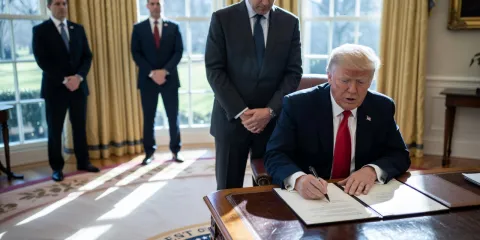
Trump narrows birthright citizenship and bans 'birth tourism'
Five weeks after the Supreme Court struck down his first executive order, Donald Trump signed two more on 6 August 2026: one denies automatic citizenship to children of four categories of non-citizen parents, the other bans 'birth tourism'. Fourteen countries read it from very different vantage points — a constitutional precedent for some, a direct threat to their nationals for others.
+10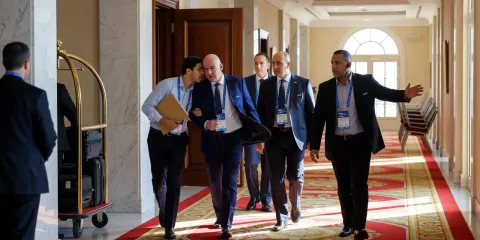
Gianni Infantino Abandoned by European Football, Backed by Africa, Facing UEFA Legal Threats
After pulling his plan to sell World Cup stakes to private investors, Gianni Infantino's re-election has gone from settled to uncertain: Wales, England, Serbia and Jordan have withdrawn their backing, UEFA is threatening FIFA with legal action, and both Arsène Wenger and the secretary general have distanced themselves. Twenty-one countries read the same crisis — Europe a fall, Africa a position to hold.

 +17
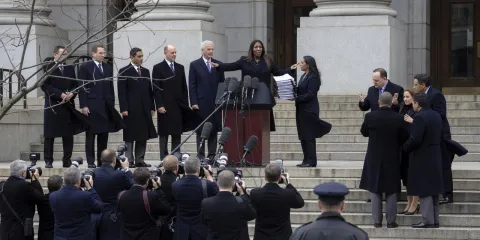
Twenty-Five US States Sue Over Trump's New Tariffs
Led by Letitia James, twenty-five states have petitioned the Court of International Trade to block tariffs of 10% to 12.5% covering nearly 99% of American imports. Nine countries tell their own exposure: the "tarifaço" in Brasília, 87% rejection in Santiago, flowers and copper in Bogotá.
 +5
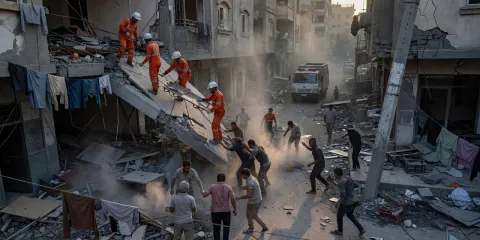
Israel Refuses to Withdraw From Gaza Despite the Deal as Its Strikes Kill Nine
Israel has conveyed to Washington its "serious security concerns" over Hamas disarmament and refuses any withdrawal until it is complete. Trump's Board of Peace backed that position. The strikes continued: nine killed on Saturday, up to eighteen on Sunday. Fifteen countries, from Jerusalem to Doha, do not tell the same day's story.


 +11

Trump Gives Iran a "Last Chance" as Tehran Denies Any Talks Are Under Way
Donald Trump says he called off a strike and opened talks with Iran, calling them a "last chance before decapitation". Tehran denies it: its only acknowledged channel is Omani mediation over the Strait of Hormuz, where a cargo vessel was struck. Twenty-one countries read the same ultimatum, between taking it seriously and weariness at a familiar cycle.
+17Understand global stakes from every perspective.
722 subjects · 75 countries · 8238 perspectives