
DOMINANT ANGLE
Ankara retains from Tehran the thesis of "endogenous" regional security: Turkey, through the voice of its intelligence chief, positions itself as a partner in a four-way channel without foreign interference.
Dominant angle identified — does not reflect unanimity of this country’s media
KEY POINTS
- 01
Ibrahim Kalin (MIT), Khalid bin Salman, and Asim Munir met with Mohsen Rezaei and President Pezeshkian in Tehran on Monday, October 26.
- 02
Rezaei: regional security must be "endogenous" and any foreign interference prevented (Daily Sabah).
- 03
The four countries agreed to continue discussions, according to the joint statement relayed by Anadolu.
ANALYSIS
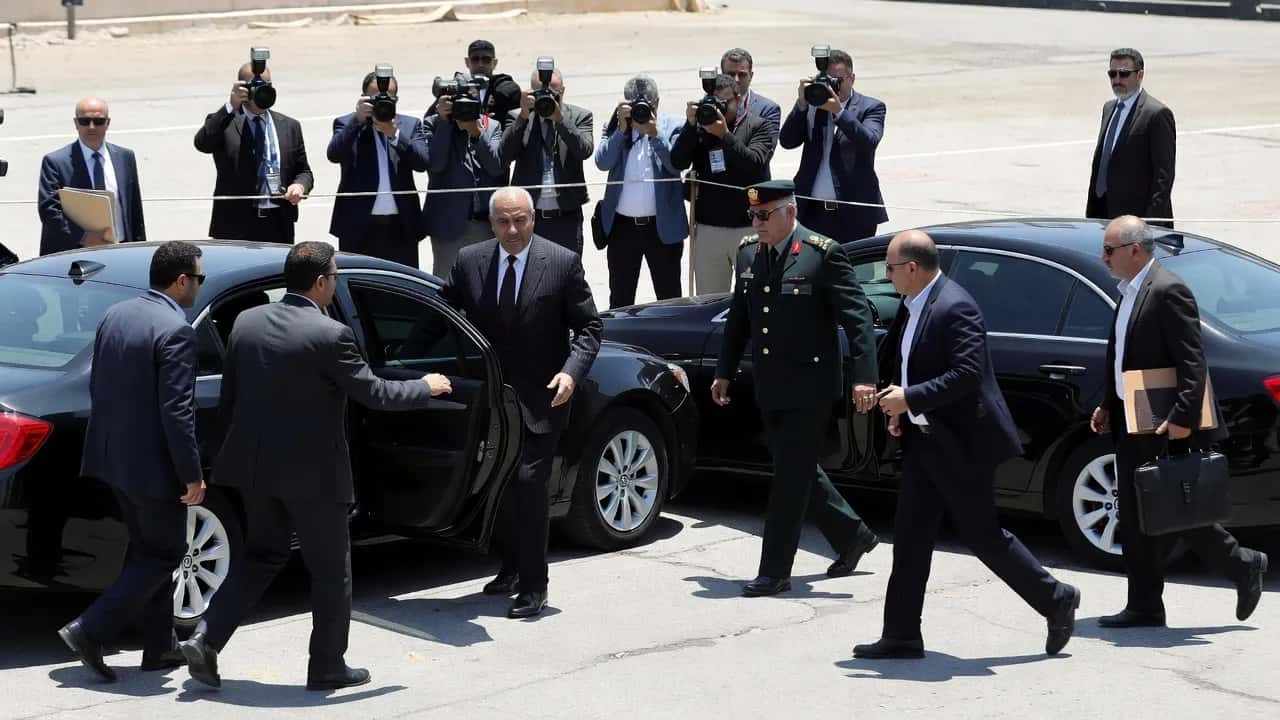
Ankara, October 27, 2026. The Turkish press presents the Tehran meeting, held on Monday, October 26, as a success of the regional formula. The head of Turkish intelligence (MIT), Ibrahim Kalın, sat alongside the Saudi Minister of Defense, Prince Khalid bin Salman, and the head of the Pakistani army, Asim Munir, facing the secretary of the Iranian Supreme National Security Council, Mohsen Rezaei. President Massoud Pezeshkian and the head of diplomacy Abbas Araghchi also took part, according to Anadolu and Daily Sabah.
Anadolu relays the joint statement: the four countries have agreed to "pursue talks" to strengthen regional cooperation, peace, and security. The text mentions Israel's actions in the region as well as Palestine and Lebanon. No agreement or ceasefire is announced.
Daily Sabah retains Rezaei's line: the region's security must be "endogenous", ensured by the countries themselves, and any foreign interference must be prevented. The daily recalls Pezeshkian's call for unity among Muslim-majority countries and for deeper cooperation.
BBC Türkçe places the meeting in the context of a war that has been going on for eight months in the Middle East and the threats of new American and Israeli strikes against Iran. According to Iranian spokesman Ismaïl Baghaï, the initiative comes from Asim Munir, the main mediator in the Iran-US discussions. Riyadh says it wants to prevent escalation and keep negotiation channels open, supporting Qatar and Pakistan's mediation.
Bianet recalls the framework of the Mecca defense pact and reports that, according to Saudi spokesman Rayed Krimli, the visit is part of the signatories' efforts to de-escalate. The site also mentions Turkish and Pakistani military support for Saudi Arabia against the Houthis.
BBC Türkçe finally reports that the Egyptian Parliament has approved, with a two-thirds majority, President Sissi's request to be authorized to provide military support to Saudi Arabia. The vote took place in a closed session, after the green light from the National Defense Council on October 18. Cairo, which condemns Iranian attacks on the Gulf, is not directly involved in the fighting.
SOURCES (5)
- Anadolu AgencyMEDIUM
- BBC TürkçeMEDIUM
- BBC TürkçeMEDIUM


