
DOMINANT ANGLE
The United States is scrutinizing the dilemma of Donald Trump: should the US commit to backing Riyadh against the Houthis, less than a month before the midterm elections?
Dominant angle identified — does not reflect unanimity of this country’s media
KEY POINTS
- 01
Trump last month refused Mohammed bin Salman's request to join the strikes, then stated: "We may. We're gonna look at it" (CBS News).
- 02
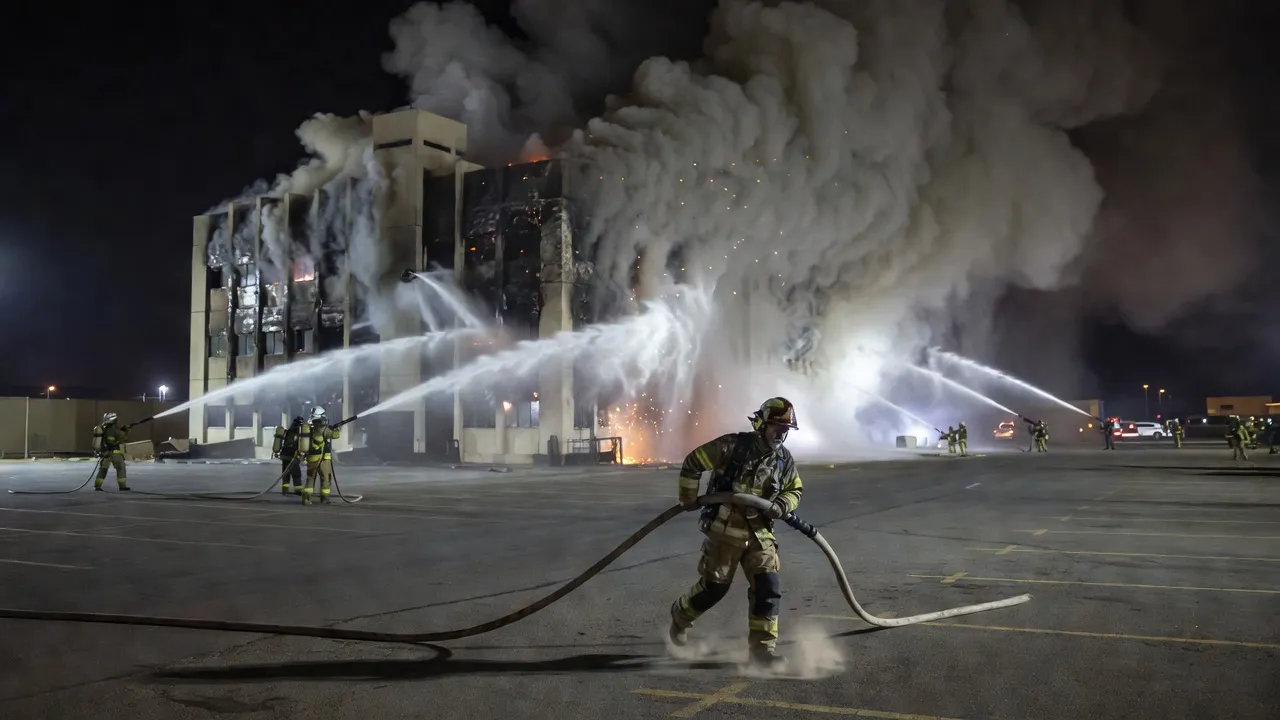
An Aramco administrative building caught fire in the Eastern Province, with no injuries, and debris from two missiles injured four people and damaged 15 homes in Riyadh (ABC News).
- 03
Brent was trading at $106.33 on Wednesday, with Paul Tudor Jones seeing potential for a $20 to $25 increase (CNBC).
ANALYSIS
Washington, October 14, 2026. For the American press, the Saudi-Houthi war is first and foremost seen through a question posed to the White House: will Donald Trump engage the United States? CBS News talks about "a difficult dilemma for President Trump": the Houthis, allies of Iran, have killed at least 20 people, including an American, in strikes on Saudi airports in one week. According to two sources cited by the channel, the president refused last month the request of Crown Prince Mohammed bin Salman to join the strikes, then gave up a week later ordering his own raids. Questioned on Sunday, he replied: "We may. We're gonna look at it." CBS recalls that he campaigned on ending wars and that opening a front less than a month before the midterm elections would be politically perilous, while potentially being justified by the protection of an ally and the Red Sea.
The account of Tuesday's events, October 13, comes from ABC: the coalition struck the Subaha fuel facility, west of Sanaa, after calling on civilians to evacuate the site of the Yemen Petroleum Company. In response, an administrative building of Aramco caught fire in the Eastern Province, a "limited fire" with no injuries according to the Saudi Ministry of Energy; debris from two intercepted missiles injured four people and damaged 15 houses in Riyadh. Bloomberg specifies that Aramco's headquarters in Dhahran was hit.
The military aspect is fueling the debate. NBC wonders about the failure of American arms: Saudi Arabia is, according to SIPRI, the largest buyer of American arms, and yet its defenses seem powerless. The Los Angeles Times mentions a cruel choice for Riyadh, with 13 dead and over 300 injured at King Khalid Airport, and experts surprised that the Houthis are hitting at 800 kilometers. Reuters, as reported by HuffPost, notes that Riyadh Airport canceled 82% of its flights on Monday.
In the market, CNBC reports a Brent price of $106.33 on Wednesday and quotes manager Paul Tudor Jones, who believes a $20 to $25 increase is possible. On the Bloomberg side, analyst Rachel Ziemba mentions the lack of immediate American role. The fate of Yemeni civilians remains in the background: only ABC mentions the explosions heard in Sanaa.