
DOMINANT ANGLE
Ottawa is measuring the risk of regional escalation posed by the drone strike on the Saudi oil pipeline, tightened by the Houthi advance in the Bab-el-Mandeb Strait.
Dominant angle identified — does not reflect unanimity of this country’s media
KEY POINTS
- 01
Baghdad confirmed that the drones were launched from Iraqi territory, fired two senior officials, and set September 30 as the deadline for non-state armed groups to surrender their arms.
- 02
Houthi rebels, backed by Iran, seized an island in the Bab-el-Mandeb Strait on Friday, through which around 12% of global trade passes, in a "major setback" for the Riyadh-backed coalition.
- 03
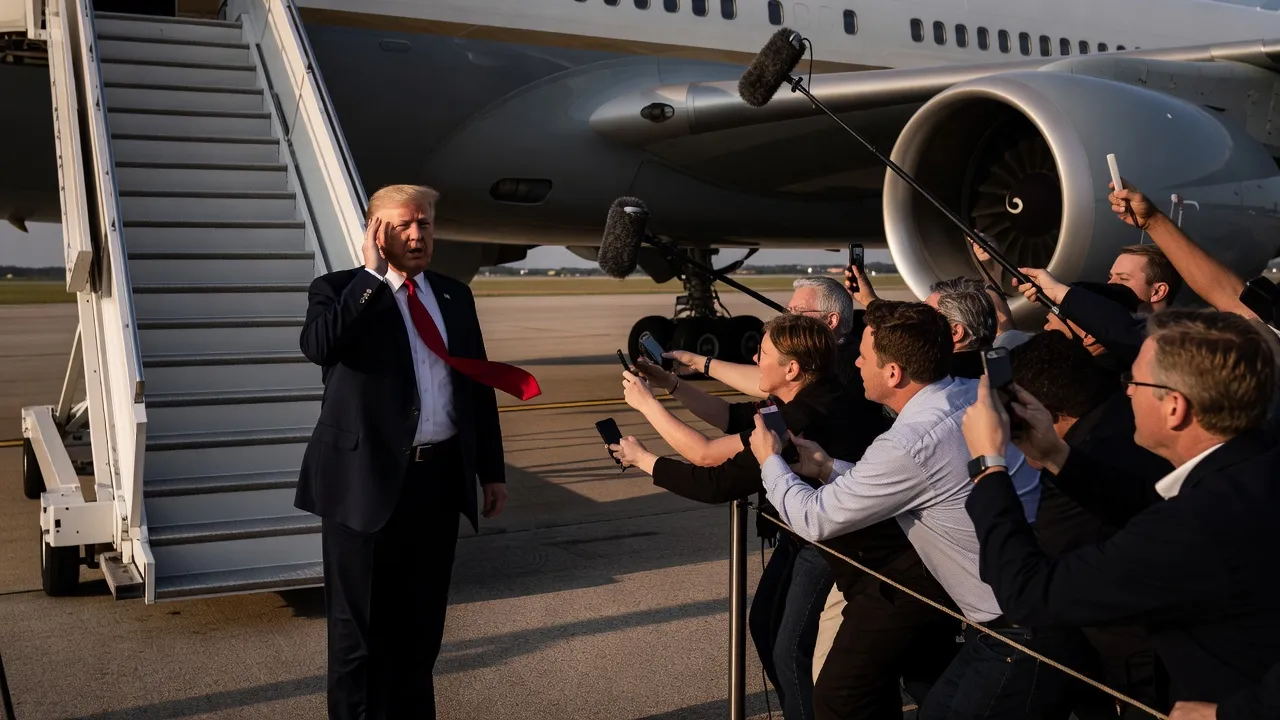
Donald Trump deemed Iran "probably" responsible for the strike while stating that his administration had held discussions with the Houthis, who "do not want to fight".
ANALYSIS
Ottawa, September 13, 2026. In the Canadian press, the drone attack that forced Saudi Arabia to shut down its East-West oil pipeline on Friday night is being viewed through the lens of regional escalation rather than just a oil shock. The Globe and Mail and CBC News, which follow a nearly identical narrative, report that Baghdad was "racing" on Saturday to contain the fallout after Iraqi militias close to Iran were accused of carrying out the strike. A leading group of these militias denied any involvement, but the Iraqi government confirmed that the drones were launched from its territory, fired two senior officials, and promised an investigation.
The pressure on Baghdad to disarm non-state armed groups is presented as particularly acute: the government has set September 30 as the deadline to surrender arms, but several of the most powerful militias have already announced that they will not comply. The two outlets explicitly link this urgency to the advance of Iranian-backed Houthi rebels along the west coast of Yemen, described as a "major setback" for the Riyadh-backed coalition and likely to expand the war in the region. On Friday, the Houthis seized an island in the Bab-el-Mandeb Strait, a waterway through which around 12% of global trade passes — a chokepoint that, according to these accounts, could send already inflated oil prices soaring, after six months of war between Iran and the US, in a context where the Strait of Hormuz is already disrupted.
Speaking in Dublin, Donald Trump judged Iran "probably" responsible for the strike on the oil pipeline, while seeking to alleviate concerns: his administration would have had "discussions" with the Houthis, who "do not want to fight" against Washington, he claimed, without specifying the date of these exchanges. Neither Riyadh nor Washington is quoted promising an immediate response in these two articles, which instead emphasize the fragility of the Iraqi system in the face of armed groups it officially hosts but does not fully control.