
DOMINANT ANGLE
The United States is gauging the Saudi crisis by the barrel: the closure of the East-West oil pipeline is first and foremost seen as a shock to American oil and diesel prices, rather than a matter of drones and militias.
Dominant angle identified — does not reflect unanimity of this country’s media
KEY POINTS
- 01
The East-West pipeline, with a capacity of 7 million barrels per day, carries between 4 and 5% of the world's oil supply, according to CNBC and NBC News.
- 02
Oil prices have exceeded $100 a barrel for the first time in months, closing the week up more than 8%, according to CNBC.
- 03
Baghdad has fired the military commander of Maysan province, where the drones were launched, and closed two border posts with Iran, according to NBC News and ABC News.
ANALYSIS
Washington, September 13, 2026. For the American press, the closure of the Saudi East-West oil pipeline is first seen on market screens. CNBC recalls that the barrel has exceeded $100 for the first time in months, ending the week with a gain of more than 8%, after drones launched from Iraq targeted the pipeline on Thursday morning in the regions of Riyadh and Medina, causing fires and injuries. Riyadh has closed this 1,200-kilometer artery with a capacity of 7 million barrels/day "as a precaution", which has been transporting between 4% and 5% of the world's oil supply to the Red Sea terminals in recent months, bypassing the Strait of Hormuz disrupted by the Iran-US war.
NBC News emphasizes that Riyadh has chosen not to retaliate "for now", at the request of the Iraqi Prime Minister, while reserving the right to protect its sovereignty, security, and critical infrastructure. Baghdad has confirmed that the drones came from its territory, dismissed the military commander of the Maysan province, and closed two border posts with Iran, according to NBC and ABC News. An Iranian-backed militia group has denied any involvement; Baghdad is maintaining the September 30 deadline set for non-state armed groups to surrender their arms.
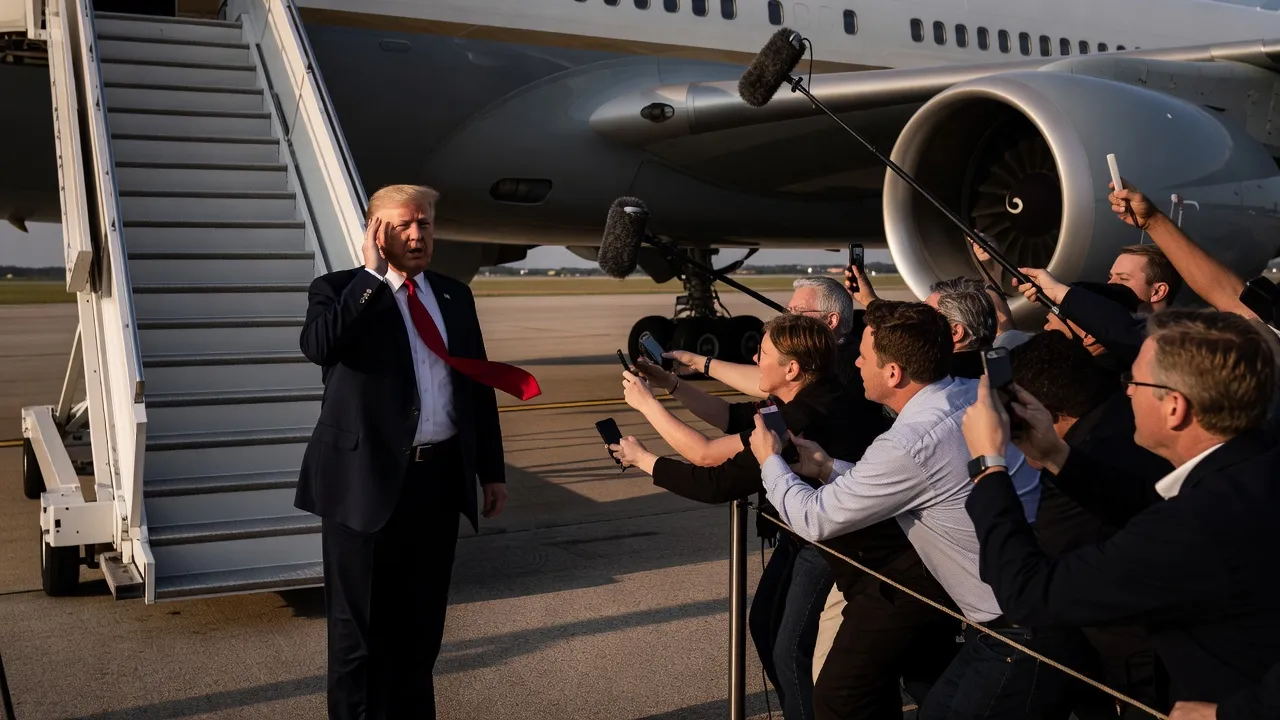
The American narrative links the attack to a broader escalation: according to HuffPost and ABC News, Houthi rebels have taken advantage of the confusion to seize the island of Mayoun, a key to the Bab-el-Mandeb Strait through which around 12% of global trade passes, opening a new front in the regional war. Bloomberg Economics warns that a prolonged disruption could further tighten the global energy supply and add pressure on American oil and diesel, a sign that Washington is viewing this crisis through its own energy bill. Donald Trump, when asked about his exchanges with the Saudi Crown Prince, attempted to reassure: "Everything will be fine." Aramco's CEO, Amin Nasser, had already emphasized last month that this pipeline weighs heavier than strategic reserves in absorbing shocks related to the war.
SOURCES (5)
- CNBCMEDIUM
- BloombergMEDIUM
- HuffPost WorldMEDIUM
- NBC News WorldMEDIUM
- ABC News WorldMEDIUM