
DOMINANT ANGLE
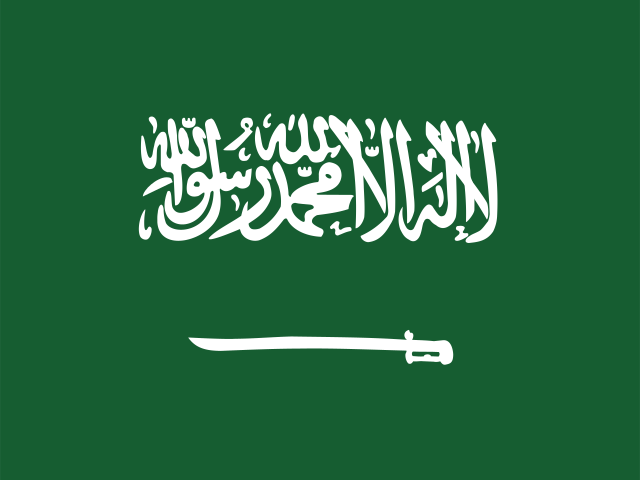
Accra is measuring the impact of the closure of the Saudi East-West oil pipeline on an already strained oil market due to the war in the Red Sea, fearing a lasting surge in prices for West African importing economies.
Dominant angle identified — does not reflect unanimity of this country’s media
KEY POINTS
- 01
The 1,200 km East-West Saudi pipeline carried between 4 % and 5 % of the world's oil supply before its closure following the drone attack.
- 02
Baghdad confirmed that the drones were launched from Maysan province, bordering Iran, and fired the region's military commander.
- 03
Riyadh announced it did not want to retaliate "at this stage", while reserving "the right to take all necessary measures" for its security.
ANALYSIS
Accra, September 13, 2026. GBC Ghana Online and MyJoyOnline reported on Saturday that Riyadh has shut down its 1,200-kilometer East-West oil pipeline, which carries "between 4% and 5%" of the world's oil supply, bypassing the Strait of Hormuz, after a drone attack hit pumping stations on Friday night. The Saudi Ministry of Energy cited a "precautionary" closure after strikes that "caused a number of injuries." Satellite images show scorched earth and smoke columns near the targeted facilities.
The two Ghanaian outlets emphasized the confirmed Iraqi origin of the projectiles: Baghdad admitted that the drones were launched from the Maysan province, bordering Iran, and fired the military commander of the area while opening an investigation. The Iraqi government condemned the attacks, which "undermine the security and stability of the Kingdom" and harm the "fraternal relations" between the two countries.
Notably, as reported by MyJoyOnline, Riyadh has chosen restraint: after being contacted by the Iraqi Prime Minister, the kingdom announced that it would "not retaliate at this stage," while reaffirming its right to "take all necessary measures" to protect its facilities and citizens. The Ghanaian press linked this episode to the advance of Houthi rebels, allies of Iran, who have taken control of the entire Red Sea coast in Yemen, adding pressure on oil shipping routes as the war between the United States and Iran enters its seventh month. For Accra's editorial teams, the issue goes beyond regional diplomacy: the pipeline transported several million barrels per day, according to figures relayed via Reuters and cited by the two outlets, and the barrel has risen above $100. Such a surge, if it persists, will increase the cost of fuel and refined product imports for West African economies already facing inflation, even when, like Ghana, they have domestic oil production. No repair schedule has been announced by the Saudi authorities, as technical teams are still assessing the extent of the damage to the affected pumping stations.
SOURCES (2)
- MyJoyOnlineMEDIUM
- GBC Ghana OnlineMEDIUM