
DOMINANT ANGLE
New Delhi weighs the risk of a barrel permanently above $100, as the closure of the Saudi pipeline deprives Riyadh of its last bypass route around the Strait of Hormuz.
Dominant angle identified — does not reflect unanimity of this country’s media
KEY POINTS
- 01
The East-West pipeline, 1,200 km long, transported between 4 and 5 million barrels per day, or 4 to 5% of global supply, according to tanker tracking companies cited by The Hindu Business Line.
- 02
Iraqi Prime Minister Ali al-Zaidi fired the commander of the operational sector of Maysan province, which borders Iran, after determining that the drones came from there.
- 03
Donald Trump stated in Dublin that Iran was "probably" responsible for the attack, according to the Times of India, while also noting that the Houthis had indicated they did not want direct US involvement.
ANALYSIS
New Delhi, September 13, 2026. India, a major crude oil importer, is weighing the consequences of the closure of the East-West Saudi pipeline after drone attacks occurred on Thursday night to Friday against pumping stations in the Riyadh and Medina regions, injuring several people. According to the Times of India, the Saudi Energy Ministry presented this closure as a "precautionary measure", while Saudi diplomacy claimed that the drones entered from Iraq, where militias supported by Iran operate.
The Indian press emphasizes the scope of the targeted infrastructure: 1,200 kilometers long, the pipeline allowed Riyadh to bypass the congested Strait of Hormuz, which has been affected by the war between the United States and Iran, by transporting 4 to 5 million barrels per day to the Red Sea, equivalent to 4 to 5% of the global supply, according to tanker tracking companies cited by The Hindu Business Line. The closure has caused the barrel price to rise above $100.
Baghdad reacted quickly: Prime Minister Ali al-Zaidi ordered an investigation into the operational command of the Maysan province, bordering Iran, and dismissed its head after establishing the Iraqi origin of the attacks. Riyadh said it wants to give Iraq the "opportunity to take necessary measures" rather than retaliate.
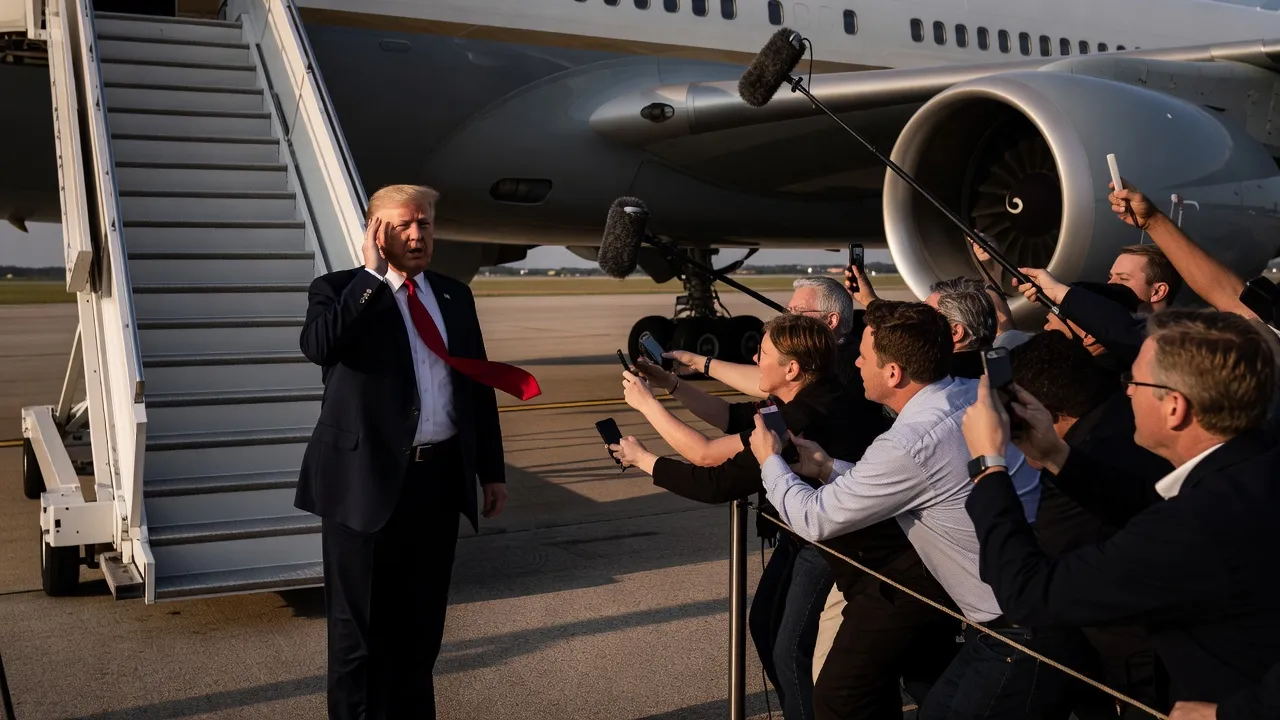
Donald Trump, questioned in Dublin, judged Iran "probably" responsible for the attack. He specified that he had exchanged with Crown Prince Mohammed bin Salman and asserted that the Houthi rebels in Yemen, aligned with Tehran, had informed his administration that they did not want a direct involvement of Washington.
Indian articles also report the parallel escalation in the Red Sea: according to Yemeni government sources cited by Reuters, the Houthis seized the strategic island of Perim on Friday, at the entrance to the Bab el-Mandeb Strait, tightening the noose on the last available bypass route. Regional officials mention coordination between the Houthis and Iraqi militias against Saudi oil installations. For the Indian economic press, the combination of the two fronts, Hormuz and Bab el-Mandeb, closes the maritime outlets for crude oil from the Arabian Peninsula, with a mechanical effect on prices that a major importer like India cannot ignore.