
DOMINANT ANGLE
Rome views the closure of the oil pipeline as the first economic bill stemming from the dual pressure exerted by pro-Iranian militias in Iraq and the Houthi advance on Bab el-Mandeb, rather than just a simple military episode.
Dominant angle identified — does not reflect unanimity of this country’s media
KEY POINTS
- 01
The East-West pipeline, which allows Riyadh to bypass the Strait of Hormuz, was temporarily shut down after a drone attack launched from Iraq caused injuries and damage still being assessed (ANSA).
- 02
Donald Trump deemed Iranian responsibility "likely" while promising that oil prices would plummet after the midterm elections, without wanting to intervene against the Houthis despite their advance towards Bab el-Mandeb (ANSA).
- 03
La Repubblica notes that the Houthis need only control the Bab el-Mandeb strait and instill fear to drive up oil prices, without actually having to close it.
ANALYSIS
Rome, September 13, 2026. The Italian press is deciphering the closure of the East-West Saudi oil pipeline as less of an isolated military episode and more as the first tangible economic bill of the push by pro-Iranian militias in the region. ANSA recalls that Riyadh had to temporarily shut down the pipeline that allows it to bypass the Strait of Hormuz, after a drone attack launched from Iraq, "a free zone for pro-Tehran militias that are part of the Iranian Resistance Axis, like the Houthis in Yemen." The raid caused injuries and damage still being assessed; it has not been claimed.
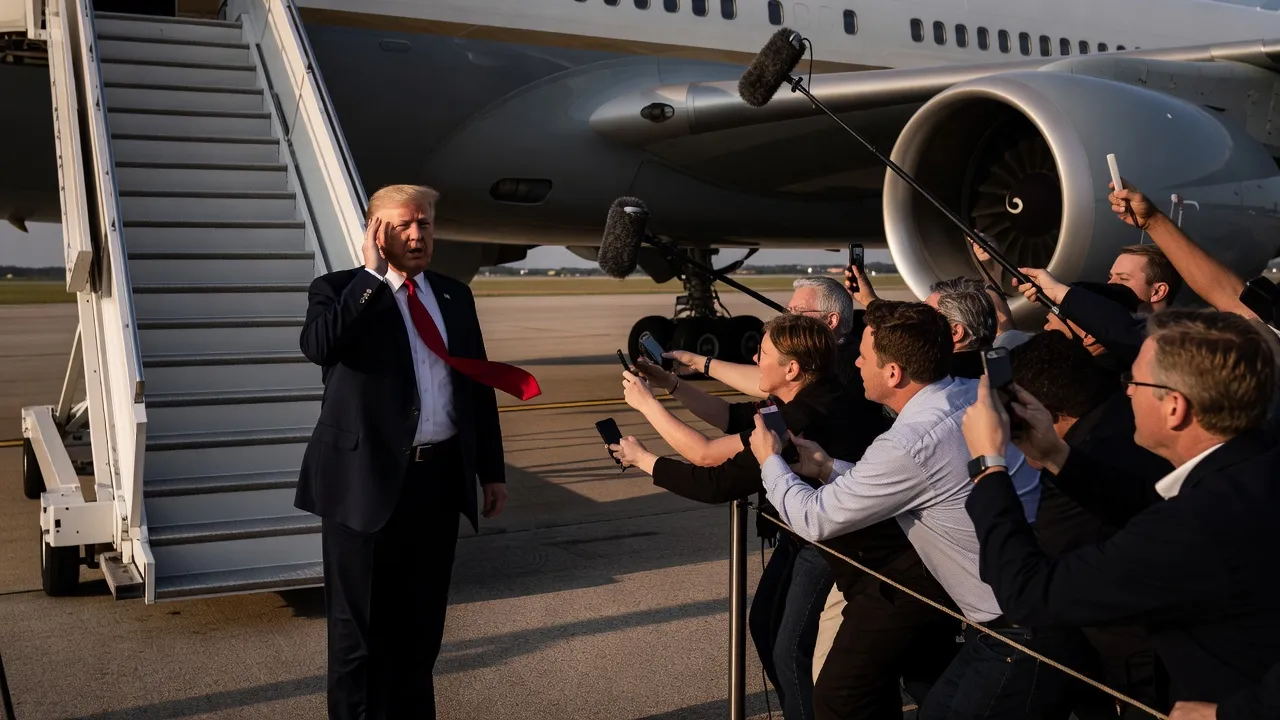
Donald Trump, on a trip to Ireland for a golf tournament at one of his complexes, has called into question Tehran, deeming Iranian responsibility "probable," while promising that the war in Iran would end after the midterm elections, when "oil prices will collapse." The American president also hinted that he would not intervene against the Yemeni rebels despite their conquest of the Bab el-Mandeb Strait, stating that "the Houthis called us and do not want to fight with us." This version was immediately denied by Hazem al-Assad, a member of Ansarullah's political bureau, who described the statement as "unfounded and false."
La Repubblica shifts the focus to the price mechanism: "it is not necessary to close Bab el-Mandeb to inflate oil prices. It is enough to control it and instill in the markets the fear that crossing it has become more dangerous." The newspaper sees this as the first economic consequence of the Houthis' advance, heavier still for Riyadh than for other Gulf producers, since the closed pipeline was precisely the route that allowed it to escape the pressure of the Strait of Hormuz.
This Italian reading portrays Saudi Arabia as being caught in a vice between two simultaneous fronts — drones coming from Iraq to the north, the Houthi advance on the Red Sea to the south — without the transalpine press dwelling on the measures taken by Baghdad, leaving Iraq largely out of its narrative.