
DOMINANT ANGLE
Singapore gauges the closure of the East-West oil pipeline in light of its own vulnerability as an oil hub, as the last bypass around the Strait of Hormuz also falls to drones.
Dominant angle identified — does not reflect unanimity of this country’s media
KEY POINTS
- 01
The East-West pipeline, 1,200 km long, carried between 4 and 5 million barrels per day, or 4 to 5% of the world's oil supply, before its closure.
- 02
Crude oil has risen above $100 a barrel and retail diesel in the United States has exceeded $6 a gallon, a record, after the attack.
- 03
The Houthis seized Perim Island at the entrance to the Bab el-Mandeb Strait on the same day, doubling the pressure on oil shipping routes.
ANALYSIS
Singapour, 13 September 2026. For the oil and maritime hub that is Singapour, the closure of the Saudi East-West oil pipeline is first and foremost a matter of dollars and barrels. The Straits Times recalls that this 1,200-kilometre pipeline, connecting Abqaiq to Yanbu on the Red Sea, carried "4 million to 5 million barrels per day", or 4 to 5% of the global supply, and was Saudi Arabia's last resort to bypass the blockade of the Strait of Hormuz. Its closure "as a precaution" after drone attacks from Iraq on Friday night has sent crude oil prices back above $100 per barrel, while Channel News Asia notes that retail diesel prices in the United States have "surged past a record US$6 a gallon".
The local press is emphasizing the mechanics of the escalation more than its actors: the attack coincided with the capture by the Houthis, allies of Iran, of the strategic island of Perim, at the entrance to the Bab el-Mandeb Strait, a double blow that the Straits Times describes as a "dangerous escalation". For an economy that thrives on transit and refining, this convergence of two chokepoints - Hormuz and Bab el-Mandeb - weighs heavier than the identity of the attacker.
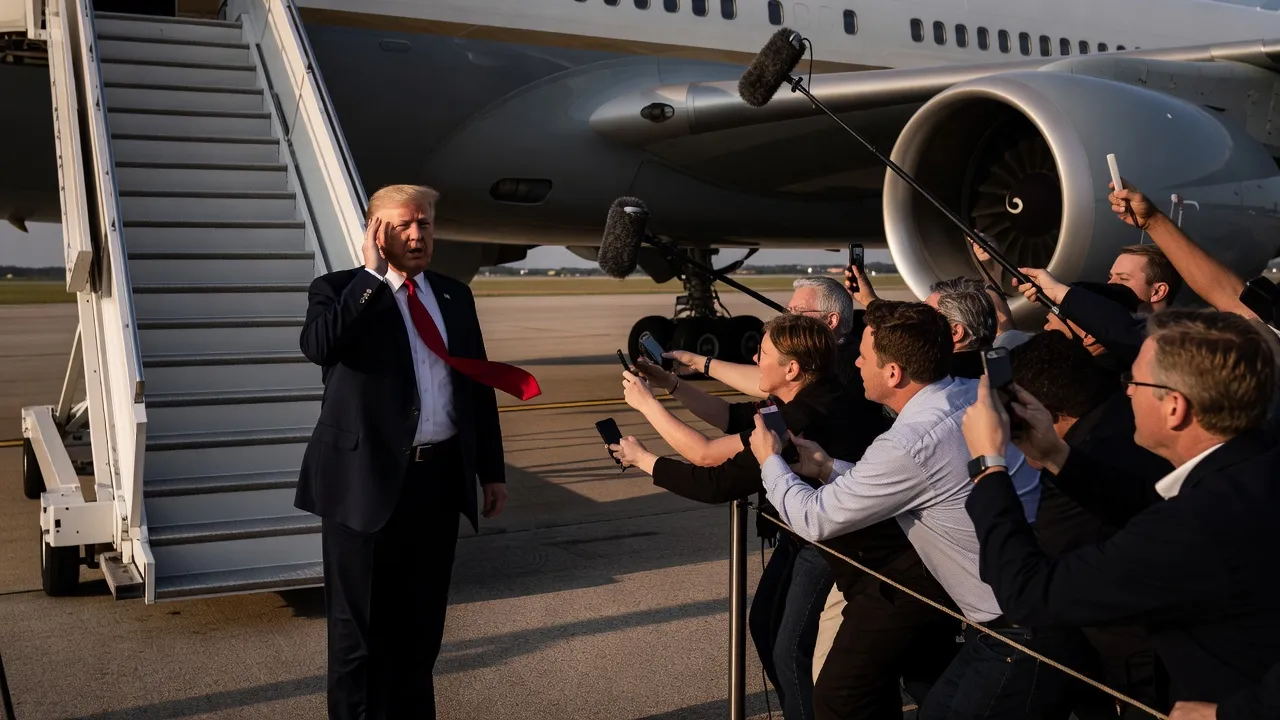
On the diplomatic front, Singapour is relaying the facts without commenting on them: Baghdad has confirmed that the drones came from the province of Maysan and dismissed its commander, Riyadh has said it does not want to respond to give Iraq time to act, and Donald Trump has deemed Iran "probably" responsible. The Straits Times also notes that Riyadh has requested military aid from Washington to counter the Houthis, a sign that the closure of the oil pipeline is part of a broader regional conflict, not just an isolated strike.
SOURCES (2)
- Straits TimesMEDIUM