
DOMINANT ANGLE
Buenos Aires first notes the political setback for Donald Trump: an inflation rate of 3.7% that undermines his discourse on purchasing power just three weeks before the legislative elections.
Dominant angle identified — does not reflect unanimity of this country’s media
KEY POINTS
- 01
The US CPI rose 3.7% year-over-year in September (3.4% in August), exceeding the 3.6% forecast by economists according to Clarín/AP.
- 02
Gasoline jumped 9.1% for the month, accounting for more than half of the 0.6% monthly increase, according to Ámbito.
- 03
Only 17% of adults approve of Trump's handling of the cost of living (AP-NORC poll cited by Clarín), ahead of the November 3 elections.
ANALYSIS
Buenos Aires, October 15, 2026. For the Argentine press, the US inflation figure is first and foremost bad news for the White House. Clarín headlines with a "mal dato para Trump en la previa de las elecciones" (bad data for Trump ahead of the elections): the consumer price index rose 3.7% over the past year in September, compared to 3.4% in August, according to data released on Wednesday, October 14. On a monthly basis, the increase is 0.6%, the largest in five months, according to the AP agency, as reported by the daily.
Ámbito emphasizes the energy driver: gasoline prices jumped 9.1% over the month, accounting for more than half of the overall increase, in the wake of the war between the US and Iran. Energy prices gained 5.2% after a 2.1% increase in August. Excluding food and energy, underlying inflation stands at 2.6% over the past year. AP adds that the growth of data centers and AI is also driving up the cost of chips and consumer electronics.
The political aspect dominates Ámbito's narrative. Trump stated on Tuesday in Wasilla, Alaska, that "every time they want to attack me, they talk about affordability," before the official data tells "a very different story." The newspaper notes stagnant real wages and cites an AP-NORC poll according to which only 17% of adults approve of his handling of the cost of living. Republicans are playing their slim control of Congress on November 3.
The second axis is monetary. After a first increase in more than three years in September, which brought rates to a range of 3.75% to 4%, the Fed could tighten again at its meeting on October 28. Analyst Bill Adams believes that an expected increase in wholesale prices on Thursday could tip the balance.
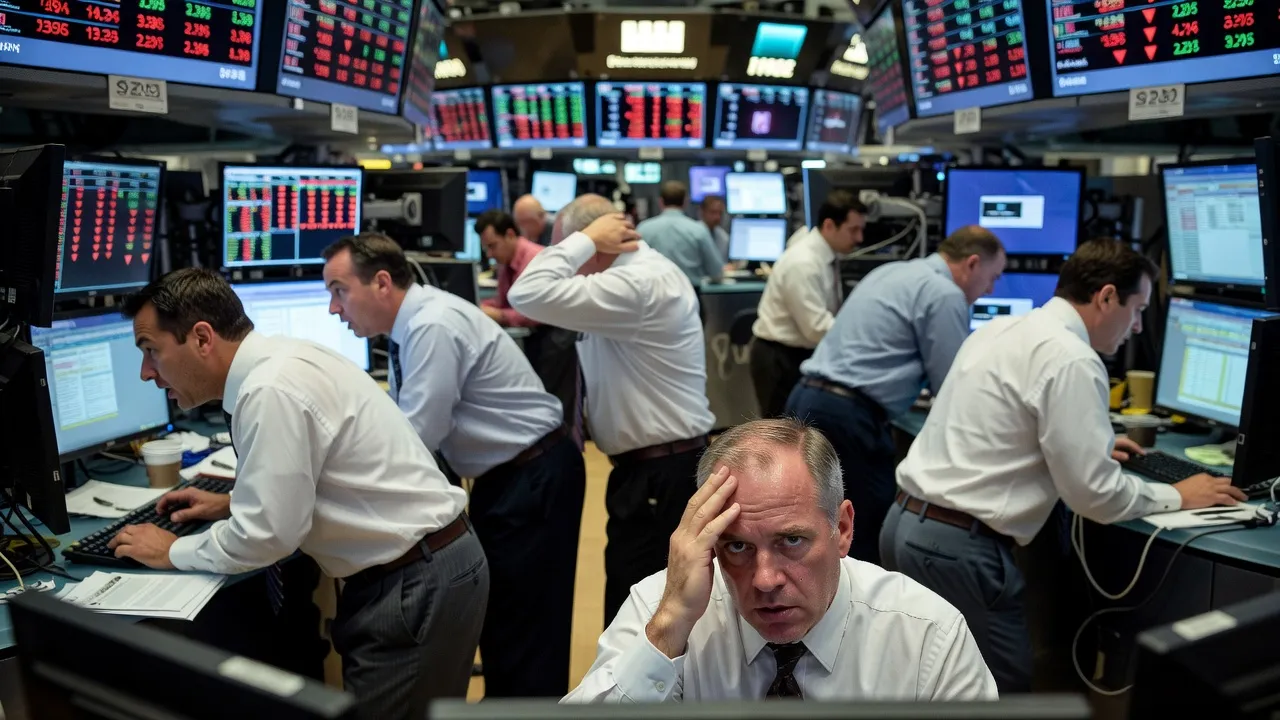
Clarín finally relays the Wall Street session: the S&P 500 lost 1.1%, the Nasdaq around 1.9%, with AI values leading the losses. The 10-year Treasury yield briefly exceeded 5.32%, and Brent was trading around $106. For Angelo Kourkafas, of Edward Jones, it's a "doble golpe" (double blow) for the market. Investors are becoming aware, according to AFP, that the cost of credit is rising and that AI infrastructure is very expensive. The fallout for emerging economies, including Argentina, is not addressed in these texts.
SOURCES (2)
- ClarínMEDIUM
- AmbitoMEDIUM