
DOMINANT ANGLE
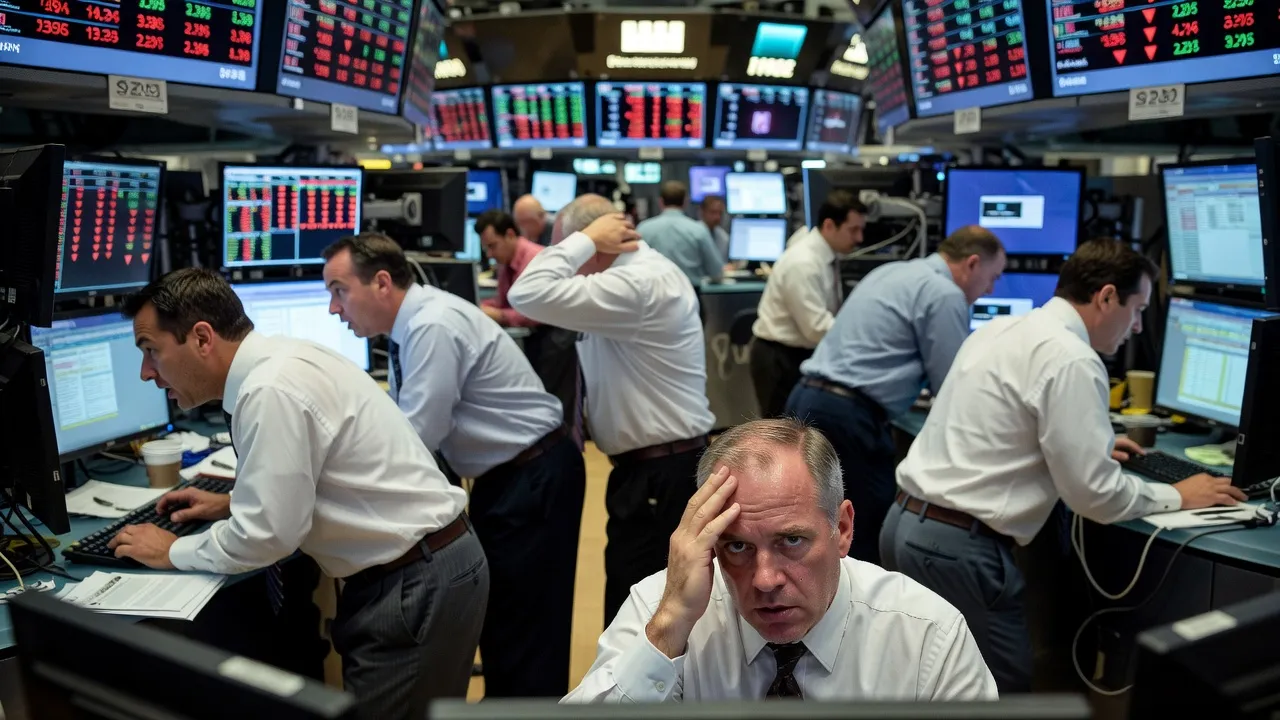
Brasília is gauging the shockwave of US inflation on its own markets: the dollar above 5 reais, Ibovespa in decline, and the fear of a new tightening by the Fed for emerging economies.
Dominant angle identified — does not reflect unanimity of this country’s media
KEY POINTS
- 01
The US CPI rose 0.6% in September and 3.7% over twelve months, compared to 3.4% in August, above the expected 3.6% annual rate (Jornal de Brasília, Veja).
- 02
Treasuries climbed to 5.30% and the likelihood of another Fed rate hike increased from 20% to 50% according to FedWatch (Veja).
- 03
The dollar closed at 5.02 reais and the Ibovespa fell 0.18% to 206,500 points, with Bradesco losing 2.48% (Veja).
ANALYSIS
Brasília, October 15, 2026. In Brazil, Wednesday's American figure is first seen on the quotes screen. Jornal de Brasília, quoting Folhapress, notes that the dollar rose 0.22% by 2:40 pm, to 5.034 reais, while the DXY index gained 0.55%. The Ibovespa opened 1.03% lower, according to Veja, before finishing the session with a 0.18% decline, around 206,500 points.
American facts are reported with precision. The price index advanced 0.6% in September and 3.7% over twelve months, compared to 3.4% in August. The Reuters consensus expected 3.6% at an annual rate. Underlying inflation gained 0.3% over the month and reached 2.6% over a year, compared to 2.4% in August. Estadão attributes the increase to energy made more expensive by the war with Iran, with gasoline close to $4.50 per gallon at the end of September, and adds Donald Trump's tariffs among the causes. Sources diverge on gasoline: 7.1% in September according to the EIA quoted by Folhapress, 9.1% according to AFP reprinted by Jornal de Brasília, which attributes more than half of the increase to it.
The dominant reading is the Fed. Veja notes that Treasuries rose to 5.30% and that the probability of another rate hike in the US has gone from 20% to 50% according to FedWatch. Estadão specifies that the next Fed meeting will take place in October, with an expected increase in December, and quotes John C. Williams, from the New York Fed, who forecasts another increase this year, with no further adjustment afterwards.
Local analysts link this signal to the emerging risk. Fábio Murad, from Wiser Asset, judges that "pressure has not been limited to fuels" and that the risk of a new tightening is increasing. Nicolas Gass, from GT Capital, estimates that the US rate at this level "weighs on every emerging stock exchange" and adds that the Ibovespa was coming out of a nearly 9% increase in one week, hence the profit-taking.
The domestic context is invited into each article: expected presidential poll after closing, possible Senate vote on the end of the 6x1 scale, August services weaker than expected. Banks led the losses, with Bradesco at the top at -2.48%. The fate of Wall Street and AI values does not appear in these articles: the prism is that of the cost of capital for Brazil.
SOURCES (3)
- Jornal de BrasíliaMEDIUM
- VejaMEDIUM
- EstadãoMEDIUM