
DOMINANT ANGLE
New Delhi sees the slump in AI values as a test of the cost of money on a debt-financed boom, with CoreWeave at the forefront.
Dominant angle identified — does not reflect unanimity of this country’s media
KEY POINTS
- 01
CoreWeave lost 16%, Nebius 11%, Oracle 9%, and Dell 11%, wiping out around $80 billion in market value (Economic Times).
- 02
CoreWeave issued $22 billion in bonds and $26 billion in loans; a June bond with a 9.625% yield now trades at around 15% (Economic Times, citing LSEG).
- 03
CoreWeave CEO Mike Intrator called the market "irrational" in an internal note; the stock fell 15% to $65.78 (The Hindu Business Line).
ANALYSIS
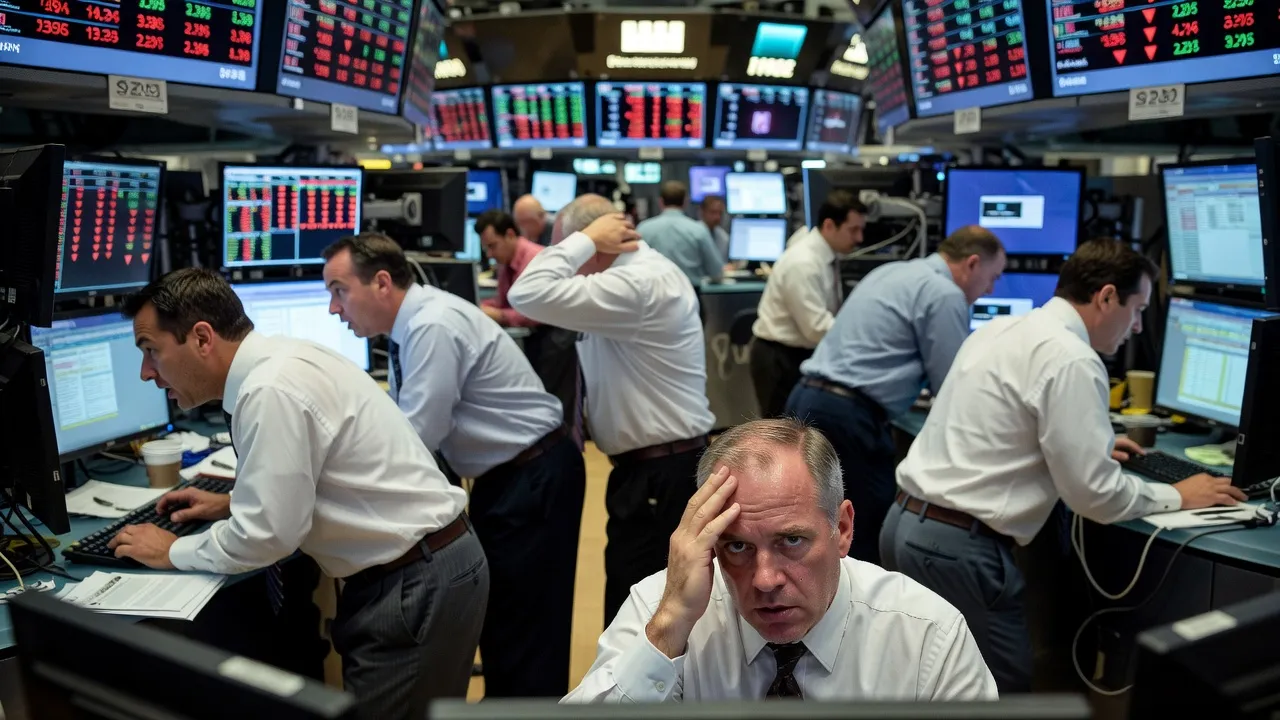
New Delhi, October 15, 2026. In the Indian economic press, the Wall Street session of Wednesday, October 14, is first and foremost a story of artificial intelligence and credit, more than a price index. The Economic Times headlines with AI values "plummeting up to 16%", wiping out around $80 billion in market value, as high American inflation fuels fears over rates.
The daily details the losers: data center manager CoreWeave falls 16%, Nebius 11%, Oracle 9%, and server manufacturer Dell Technologies 11%. It explains these declines by a tightening of financial conditions, but also by the "excessive" gains of the main beneficiaries of the AI boom. Barclays has downgraded its recommendation for Dell, whose stock has quadrupled this year, and, according to Reuters calculations, 16 technology sector values in the S&P 500 have at least doubled in 2026.
Debt is the common thread. CoreWeave has issued $22 billion in bonds and $26 billion in loans, according to LSEG, and a bond issued in June at 9.625% now yields around 15%. The Economic Times quotes Kim Forrest, of Bokeh Capital Partners, who mentions information suggesting that the largest AI companies "may not generate the expected profits or revenue".
The Hindu Business Line focuses on the company's response. Its leader, Mike Intrator, judges in an internal note, reported by Bloomberg, that the market is acting "irrationally" and asserts that the order book largely covers the debt. The stock has fallen 15% to $65.78, its worst session since February, and the newspaper recalls that the delayed IPOs of competitors, including data center manager AirTrunk, weigh on the narrative.
The link to the war against Iran and the midterm election campaign remains outside the scope of the two articles in the corpus. What the Indian press retains is a market struggling, according to The Economic Times, to measure the effects of high inflation at a time when the debt of AI companies is contributing to rising global rates.