
DOMINANT ANGLE
Ottawa views the Washington-Copenhagen-Nuuk agreement first and foremost as a strengthening of US military presence in the Arctic, where Canada shares borders and continental defense with the United States through NORAD.
Dominant angle identified — does not reflect unanimity of this country’s media
KEY POINTS
- 01
Trump wrote on Truth Social that the US will have "forever" the "full capacity to do what is necessary in Greenland" to secure its defense, and that the agreement has no expiration date
- 02
Greenland already hosts a Space Force base in the northwest of the island, and the agreement provides for a significant increase in the US military presence there, according to a Reuters exclusive
- 03
Mette Frederiksen's office says the text "recognizes the sovereignty and territorial integrity" of Denmark and Greenland's right to self-determination, with signing expected next week on the sidelines of the UN General Assembly
ANALYSIS
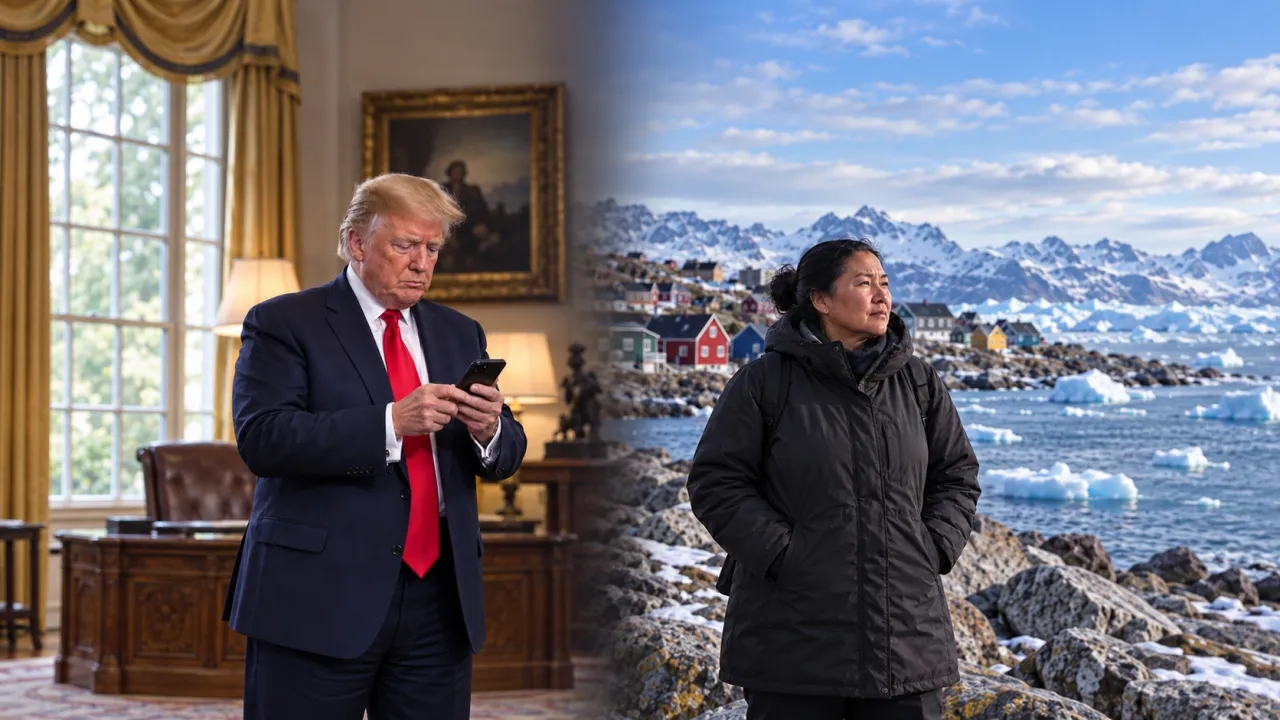
Ottawa, September 19, 2026. The announcement made on Friday, September 18, by Donald Trump on Truth Social of an "infinite lifetime" agreement between Washington, Copenhagen, and Nuuk is holding Canadian attention first and foremost as an Arctic security file, rather than a territorial dispute. The American president wrote that the United States will have "forever" "full capacity to do what is necessary in Greenland to secure and defend the security of Greenland, and the United States of America", adding that "from now on, no American adversary will EVER be able to have a base in Greenland, a military presence in Greenland, or make sensitive investments in Greenland, without our express written approval". For the Canadian press, which has been covering the agreement from Washington, the highlight is less territorial than military: Greenland already hosts a Space Force base in the northwest of the island, and the agreement plans to significantly reinforce the American presence there, according to exclusive information from Reuters relayed as early as Friday morning, even before Trump's announcement.
The office of Danish Prime Minister Mette Frederiksen specified that the text "recognizes the sovereignty and territorial integrity of the Kingdom [of Denmark] and the right of the Greenlandic people to self-determination", and that it "strengthens our common security in the Arctic and North Atlantic". The signing is expected next week on the sidelines of the United Nations General Assembly, before ratification by the Danish and Greenlandic parliaments — a procedure that the Canadian press considers likely to rule out, for now, the hypothesis of a straightforward annexation that has been feared for months.
From Ottawa's perspective, as an ally of Copenhagen within NATO and a direct Arctic neighbor of the United States via NORAD, the agreement closes a file that has been causing concern for months: Trump had not excluded the use of force to take over this island of 56,000 inhabitants, an ally of NATO. The Canadian press notes that the announcement suggests he is renouncing, at least for now, his annexation ambitions in favor of permanent security control — without a transfer of sovereignty or announced cost for Washington, and without the available articles directly collecting the voice of a Greenlandic official on the substance of the agreement.
SOURCES (3)
- Globe and MailMEDIUM
- National PostMEDIUM