
DOMINANT ANGLE
Berlin is primarily focused on easing the tensions within NATO caused by months of pressure from Donald Trump on an ally, rather than just a bilateral agreement between Washington and Copenhagen.
Dominant angle identified — does not reflect unanimity of this country’s media
KEY POINTS
- 01
The text is to be signed next week on the sidelines of the UN General Assembly, ahead of a vote by the Danish and Greenlandic parliaments
- 02
Mette Frederiksen describes the agreement as "good for NATO and for Europe" and claims it strengthens common security in the Arctic and North Atlantic
- 03
Jens-Frederik Nielsen states that the agreement "benefits us all" and recognizes the sovereignty and territorial integrity of the kingdom as well as the right of the Greenlandic people to self-determination
ANALYSIS
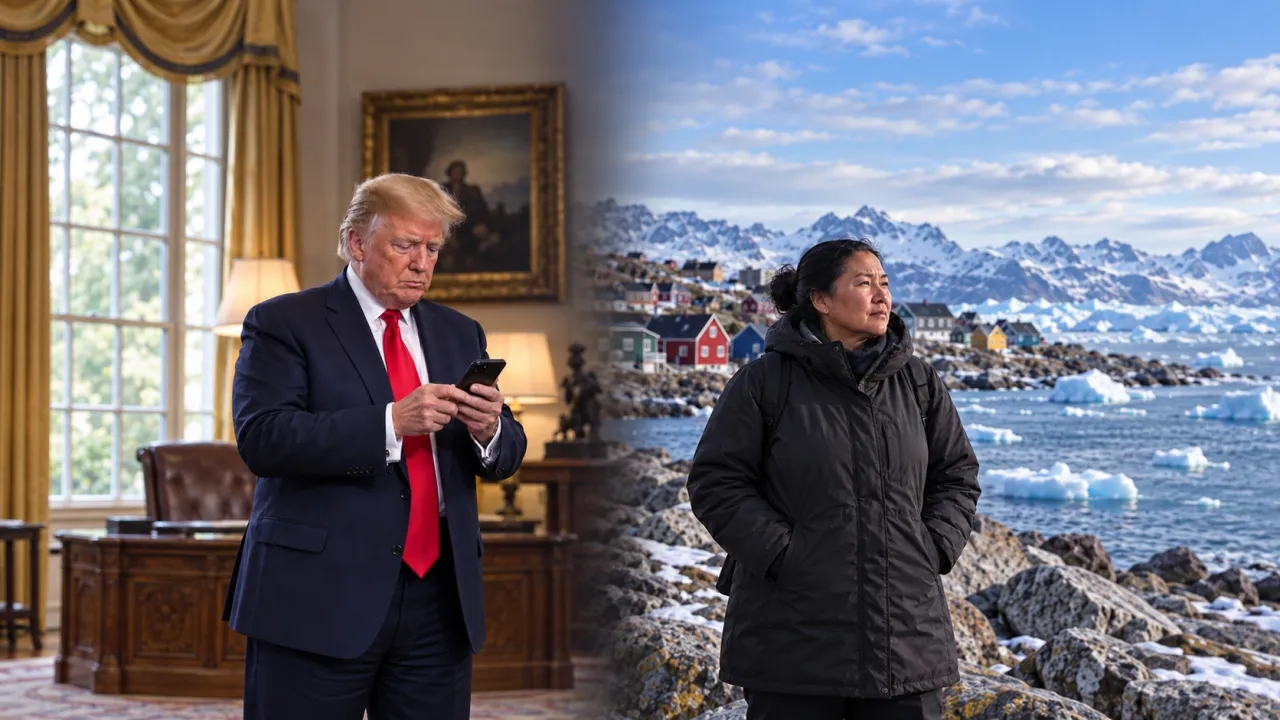
Berlin, September 19, 2026. The German press is welcoming with relief the announcement of an agreement between the United States, Denmark, and Greenland, presented on Friday as a way out of a crisis that had weakened NATO for months. The Tagesschau recalls that Donald Trump's repeated demands and threats regarding the Arctic island had caused tension within the Atlantic Alliance, between a US president who did not rule out using force to take control of a territory belonging to an ally, and European capitals worried about seeing a North Atlantic Treaty partner threatened with annexation.
The text, which is to be signed next week on the sidelines of the United Nations General Assembly, before being submitted to the Danish and Greenlandic parliaments, grants Washington permanent access, stationing, and overflight rights, as well as the possibility of increasing its bases on the island. It prohibits any non-NATO country - a transparent allusion to China and Russia, presented by Trump as rivals seeking to take control of the territory - from installing troops or military infrastructure without American approval.
What the German press, cited by the FAZ and the Tagesschau, is particularly retaining are the words chosen by Danish Prime Minister Mette Frederiksen, for whom the agreement is "gut für die NATO und für Europa" - good for NATO and for Europe -, and strengthens common security in the Arctic and the North Atlantic. Greenlandic Prime Minister Jens-Frederik Nielsen, on his part, insisted that the text "nützt uns allen" (benefits everyone) and recognizes the sovereignty and territorial integrity of the kingdom as well as the right of the Greenlandic people to self-determination, a formula that the two leaders had repeated throughout the crisis.
The ZEIT, however, highlights a discrepancy: while Trump mentions on Truth Social a "permanent control" of the island's security "at no cost" to the United States, the Danish and Greenlandic versions emphasize the preservation of sovereignty rather than the transfer of powers. Nevertheless, notes the German press, the announcement puts an end to months of pressure on a 56,000-inhabitant NATO ally, after Washington had considered punitive customs duties to force a sale.