Turkey — news through its media
Stories followed in this country, with their framing set against the rest of the world.
182 subjects found
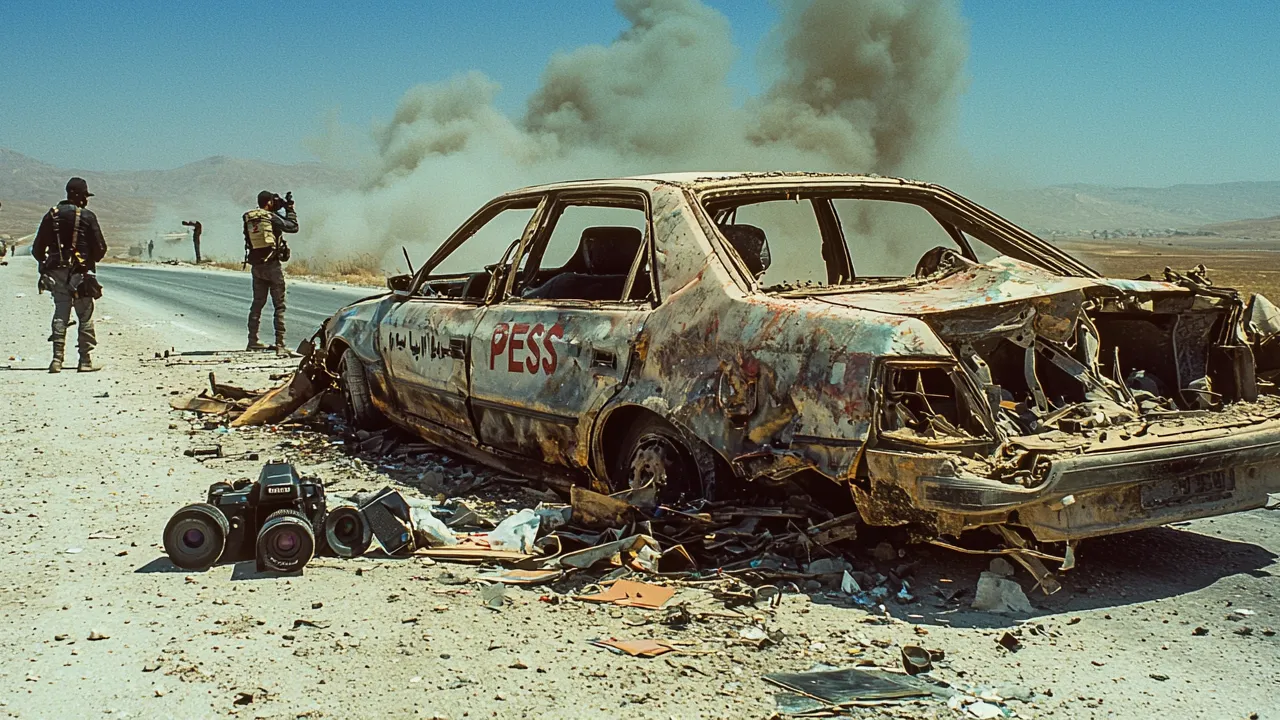
Israel Kills Three Journalists in Lebanon: War on the Press
An Israeli airstrike in southern Lebanon kills three Lebanese journalists in their vehicle. CNN crew detained and injured in the West Bank. Fourteen countries cover the event — from Turkish denunciation to Israeli justification. War on media as a blind spot in the conflict.


 +4

Pentagon Prepares Weeks of Ground Operations in Iran: The Point of No Return
The Washington Post reveals the Pentagon is planning weeks of ground raids in Iran. A Marines ship arrives in the Gulf. A US base in Saudi Arabia is destroyed. Iran threatens to strike universities. Nine countries, nine readings of the moment when war changes in nature.


 +5

MC14 in Yaoundé: Global Trade Tested by Carbon Border Tax
The 14th WTO Ministerial Conference opens in Yaoundé, Cameroon — a first on the African continent. At the heart of debates: the European Union's Carbon Border Adjustment Mechanism (CBAM), which entered into force in January 2026 and requires importers to pay for CO2 emissions embedded in products. Developing countries denounce a form of green protectionism while the EU defends compatibility with WTO rules. 166 countries are negotiating the future of global trade.

 +8

Russia's Economic Stagnation: The Price of Militarization
Russia's economy slides toward stagnation with growth forecast around 1% in 2026, after two years of 4%+ expansion. The Central Bank cut its key rate to 15% but inflation remains sticky around 6.5-7%. With 38% of the federal budget devoted to defense and security, an acute labor shortage, and oil revenues down 50%, the war economy model shows its structural limits.

 +6

Moscow Internet Blackout: Russia Accelerates Digital Lockdown Under Cover of Security
Since early March, Moscow has suffered massive mobile internet outages affecting all four major carriers. The Kremlin justifies the blackouts with the Ukrainian drone threat, but analysts see an acceleration of digital control. Economic losses exceed $38-63 million in five days, while a February 2026 law gives the FSB power to cut communications nationwide.
+6
Iran War, Day 26: Tehran Rejects US Plan, 82nd Airborne Deployed
On the 26th day of conflict, Iran rejects the 15-point US peace plan, calling it extremely maximalist. Trump claims Vance and Rubio are leading negotiations, but Tehran denies it. Over 1,000 soldiers from the 82nd Airborne Division are deployed, bringing US forces in the Middle East to more than 50,000. The death toll surpasses 2,000.

 +7

Iran War, Day 25: Contested Negotiations and Military Escalation on All Fronts
As the US-Israeli conflict against Iran enters its 25th day, Trump's claims of ongoing negotiations are categorically denied by Tehran, which calls them 'fake news.' Strikes intensify on multiple fronts — Iranian missiles on Tel Aviv and southern Israel, drones on Saudi Arabia, Israeli-US bombings on Tehran — while Pakistan offers to host talks and the Strait of Hormuz crisis paralyzes the global economy.
+10
Global AI Data Center Energy Crisis: The Race for Electricity Redefines Planetary Dynamics
Electrical consumption from data centers dedicated to artificial intelligence has reached unprecedented levels, triggering an energy crisis that disrupts electrical grids, drives up household utility bills, and forces governments to reconsider their energy strategies. From French nuclear power to Brazilian renewables, each country is seeking its own response to this insatiable appetite for electricity.
 +9

International Tensions: Iran at the Center of Strategic and Diplomatic Stakes
Recent events involving Iran underscore its central position in regional conflicts and global diplomacy. From Israeli strikes to American negotiations, the country generates varied reactions that affect Middle Eastern security and beyond.


 +24

Trump faces international challenges: Iran, economy, and security
The Trump administration simultaneously confronts tensions with Iran, internal economic pressure, and border security challenges. These issues highlight the complexity of his foreign and domestic policy approach.

 +16

Rising Tensions Between Iran and the United States: Threat to the Strait of Hormuz
Military tensions are intensifying between Iran and the United States, with threats from Tehran to close the Strait of Hormuz. This situation poses a major risk to global energy security, affecting international trade and oil prices.
 +21
Understand global stakes from every perspective.
718 subjects · 75 countries · 8174 perspectives