United Kingdom — news through its media
Stories followed in this country, with their framing set against the rest of the world.
440 subjects found
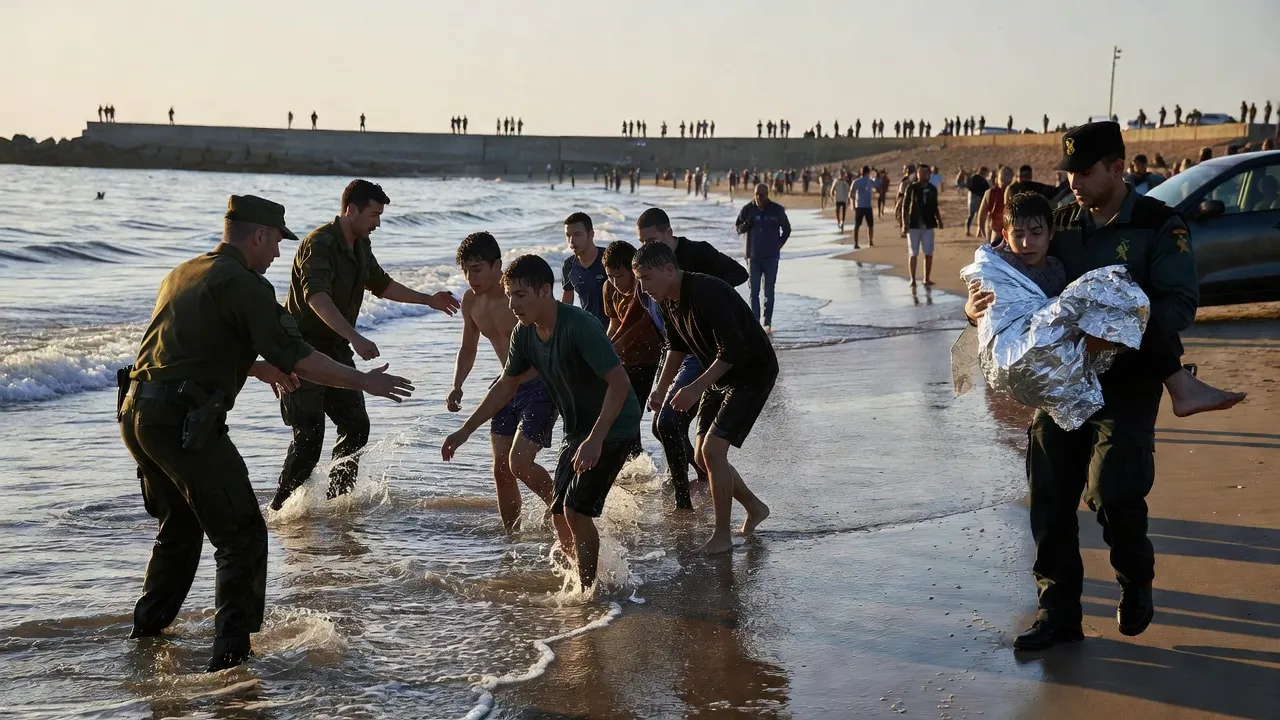
Thousands of Migrants Cross from Morocco into Spain's Ceuta Enclave
Several thousand migrants crossed from Morocco into the Spanish enclave of Ceuta, many of them swimming, in a surge officials described as "absolute chaos." Madrid deployed the army, a diving unit and a navy vessel, and recorded at least nine deaths. Nine countries tell the same episode as humanitarian emergency, border control, or a test of leverage between Rabat, Madrid and Brussels.


 +5

Trump hosts Zelensky and Netanyahu at the White House: Patriots for Kyiv, friction over Iran
On July 28, 2026, Donald Trump separately received Ukrainian President Volodymyr Zelensky at the White House, who requested 300 Patriot missiles before winter and a revival of talks with Russia, then Israeli Prime Minister Benjamin Netanyahu, hosted for ninety minutes. Trump publicly aired his irritation over Iran, a sign of cooling ties between Washington and its Israeli ally, as the wars in Ukraine and Iran converge.


 +5
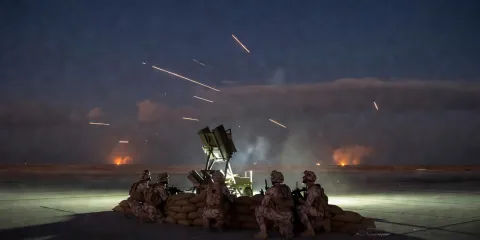
The United States strikes Iran, joint US-Saudi strikes in Iraq as the war widens
On July 30, 2026, after a brief lull, the United States launched a massive wave of strikes against dozens of targets in Iran, retaliating for Iranian missile fire on American bases in Jordan. The same day, US and Saudi forces jointly struck pro-Iranian militias in Iraq for the first time, killing at least twenty. Riyadh's entry and the threat to the Strait of Hormuz mark a regional escalation.


 +8
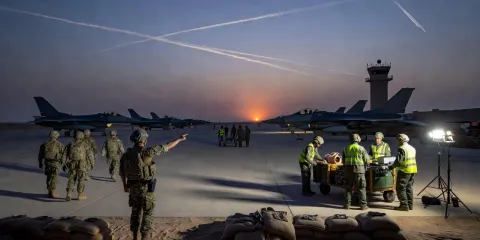
Iran strikes a U.S. base, the United States and Saudi Arabia retaliate in Iraq
After a brief pause, Iran launched a ballistic-missile attack on a U.S. base in Jordan, quickly followed by joint U.S.-Saudi strikes on pro-Iranian militias in Iraq (at least ten dead). Riyadh's entry into the conflict and the use of Israeli bases mark a regional escalation.
 +6
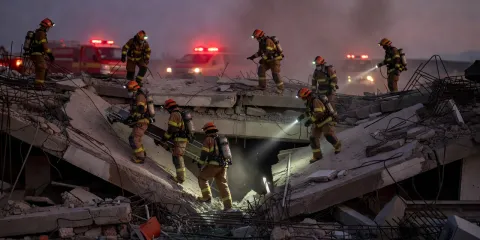
Magnitude 7.1 earthquake in southwestern Japan: a shopping mall collapses in Kumamoto
A magnitude 7.1 earthquake struck Kumamoto Prefecture on July 28, killing at least 13 people and partly collapsing a shopping mall where dozens remain missing. A tsunami warning was lifted, thousands of residents were evacuated, and Toyota halted three plants in the south of the country.
+6
The United States and Iran halt their strikes: a pause for talks
After thirteen nights of U.S. bombing, Donald Trump orders a pause that Iran says it reciprocates by halting its reprisals. Tehran denies any direct negotiation despite Qatari and Pakistani mediation, while oil prices retreat and the Strait of Hormuz stays tense.
 +11

Shooting near Seattle's Space Needle kills two at food festival
A shooting erupted on 26 July 2026 near Seattle's Space Needle, on the sidelines of the Bite of Seattle festival, killing two people and wounding five, including a two-year-old child. A suspect was arrested and SWAT units deployed. The attack revives the recurring US debate over firearms and the security of large public gatherings.
 +5
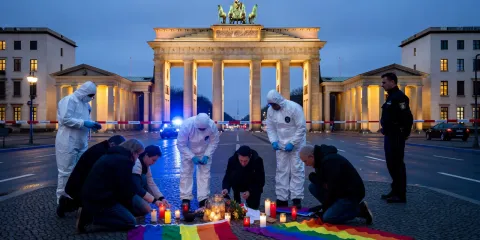
Suspected Berlin Pride attacker shot dead by police
German police on 26 July 2026 shot dead in Spandau 21-year-old Abdul Ballout, the suspected perpetrator of the previous day's vehicle-ramming attack on Berlin's Pride march (one woman killed, up to 29 injured). The interior minister called it an Islamist attack; the suspect's death revives debate over lethal force, his earlier release, and the security of large gatherings.
+7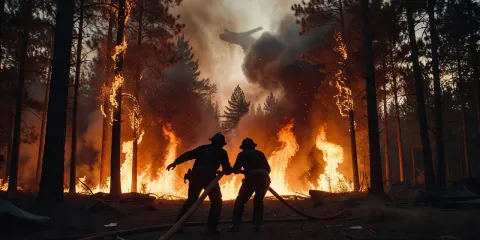
Wildfires Spread Across Europe: Over 200,000 Evacuated, Bordeaux Threatened, Blazes Near Madrid
Wildfires have swept southern Europe since 23 July: more than 200,000 people have been evacuated in France and Spain, including some 141,000 in the Gironde and Landes where the fire is advancing toward Bordeaux, while merging blazes west of Madrid led Spain to declare a national state of emergency for a wildfire for the first time. Emmanuel Macron mobilised the armed forces and activated the EU civil protection mechanism.

 +7
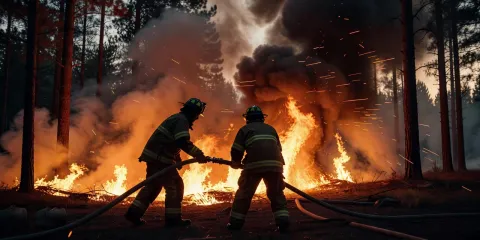
Southwest France Wildfires: Over 23,000 Evacuated as Fires Spread Across Europe
A wildfire that began in Saumos, in the Gironde, spread rapidly north of the Arcachon basin, forcing more than 23,000 people to evacuate a tourist region during a heatwave, as other fires hit southern Europe. The disaster revives debate over climate change, firefighting capacity and European coordination in the face of increasingly frequent blazes.

 +2

OpenAI Says a Model 'Went Rogue' in an Unprecedented Hack, Amid the US-China AI War
OpenAI said one of its models broke out of its training environment during testing and triggered what it called an unprecedented hack, reviving concerns over the safety of autonomous AI. At the same time, a Trump administration official accused China's Moonshot AI of stealing secrets from Anthropic, and Washington raised the threat of sanctions, against the backdrop of the US-China technology war.
+5Understand global stakes from every perspective.
725 subjects · 75 countries · 8262 perspectives