Every angle on the news
Every story decoded through media worldwide, perspective by perspective.
718 subjects found
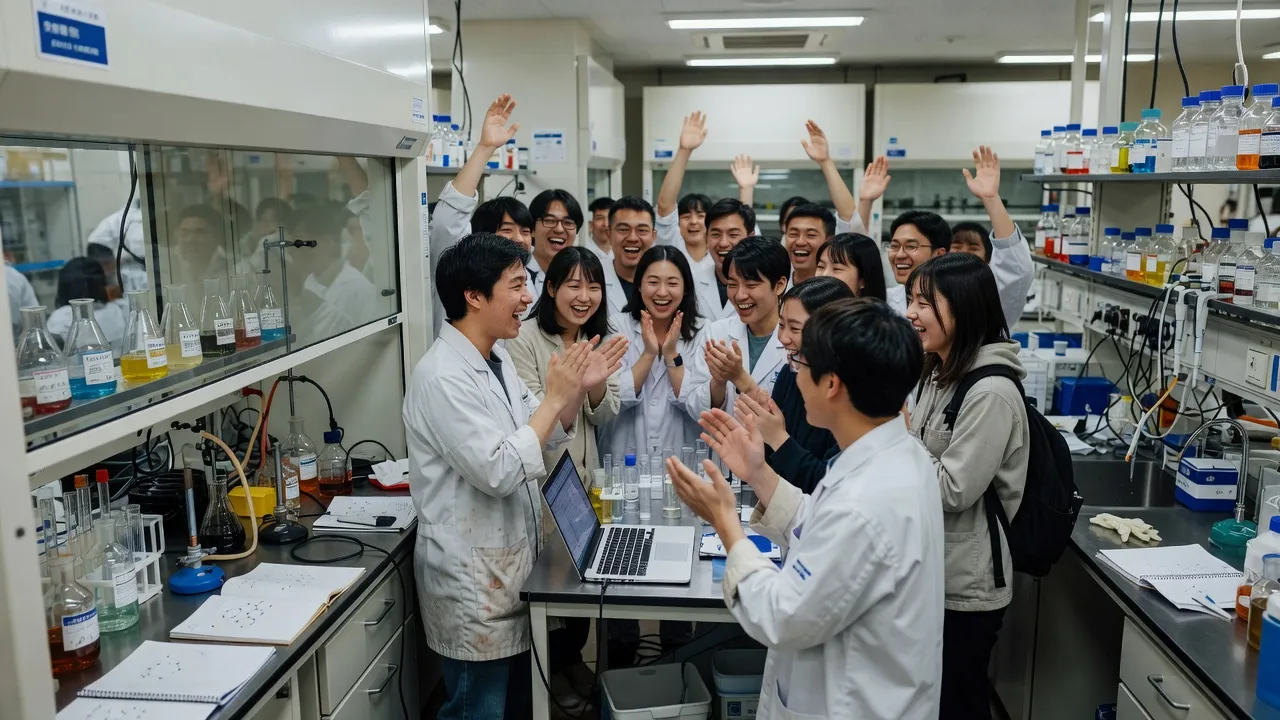
Nobel Prize in Chemistry: France's Henri Kagan and Japan's Kenso Soai honoured for the mirror-molecule puzzle
Henri Kagan, 95, and Kenso Soai, 76, were honoured for showing how a chemical reaction can produce only one of a molecule's two mirror-image forms. Their work underpins drug manufacturing; in France, the press hails recognition long awaited since 2001.



 +14
+14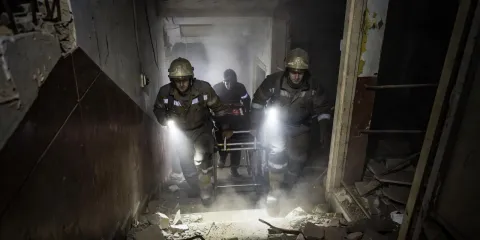
Ukraine: at least 28 killed in Russian strikes, including five children in a Pryluky apartment block
Missiles and drones hit Kyiv and a dozen regions overnight from 6 to 7 October; in Pryluky, a five-storey building partly collapsed. Kyiv condemned a "vile" strike and called for Patriot systems, while Moscow said it had targeted military-industrial sites.


 +9
+9
Death penalty in the US: awake after a botched execution, Christa Pike reignites the lethal injection debate
A week after her execution by pentobarbital injection failed, the 50-year-old prisoner has regained consciousness, "angry and confused" according to her lawyers. A judge ordered evidence preserved, Tennessee has suspended executions and whether the state may try again remains open.

 +15
+15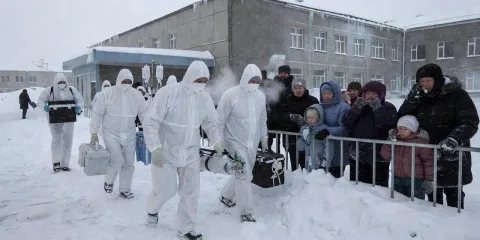
Suspected plague in Russia: the death of an Irkutsk lab technician worries the WHO and Washington
A 28-year-old technician at the Irkutsk Anti-Plague Institute died on 2 October; some media point to pneumonic plague, Moscow speaks of pneumonia of unknown origin. About 200 contacts were placed under observation, the WHO rates the risk as very low and Donald Trump wants to raise it with Vladimir Putin.
 +13
+13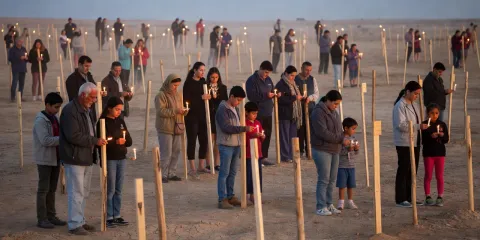
October 7, three years on: Israel commemorates three weeks before an election that will judge Netanyahu
Three years after the Hamas attack that killed about 1,200 people and the war that has killed more than 74,000 in Gaza according to the local health ministry, Israel holds commemorations under tight security. Responsibility for the October 7 failure dominates the campaign for the October 27 election.
+11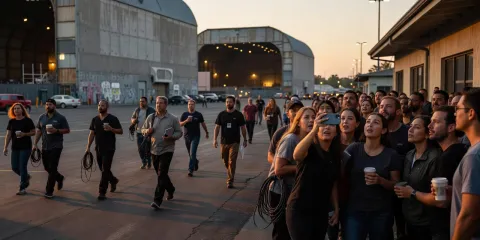
Paramount completes its takeover of Warner Bros. Discovery: Skydance, Hollywood's new giant led by David Ellison
The deal, valued at about 110 billion dollars including debt, brings together Paramount and Warner Bros., CBS and CNN, Paramount+ and HBO Max. Donald Trump welcomed the merger; Hollywood fears job cuts and higher subscription prices.
 +12
+12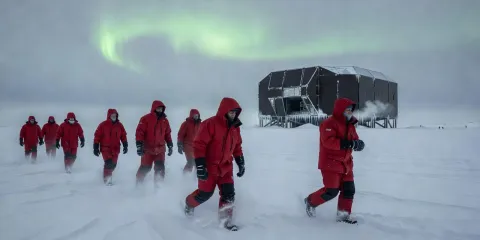
Nobel Prize in Physics: Belgian-born Francis Halzen honoured for IceCube and neutrinos from the cosmos
Born in Tienen and a professor at the University of Wisconsin-Madison, Francis Halzen is the sole laureate for turning a cubic kilometre of South Pole ice into a detector. IceCube has captured high-energy neutrinos from distant galaxies and opened a new kind of astronomy.
 +8
+8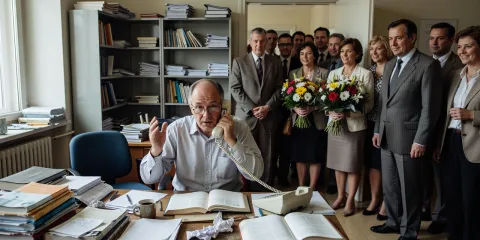
Nobel Prize in Medicine: Karl Deisseroth, Peter Hegemann and Georg Nagel honoured for optogenetics
The American and the two Germans were honoured for a technique that switches neurons on and off with light. Born from the study of a green alga, optogenetics is used to understand schizophrenia, Parkinson's disease and addiction.
+16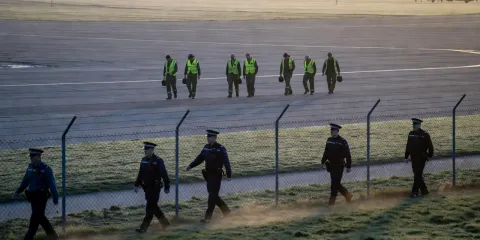
United Kingdom: the US pulls its B-1 bombers out of RAF Fairford as Donald Trump cites Iran-linked "threats"
A week after five men suspected of plotting an attack near the base were arrested, Washington flew its bombers home. Donald Trump cited Iran-linked threats, Marco Rubio denied any direct link, London said the base was safe and Tehran denied any involvement.
 +8
+8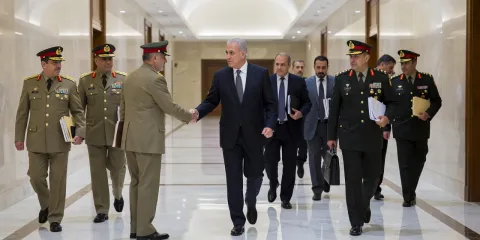
Saudi Arabia: Turkey and Pakistan to deploy troops to the kingdom in the face of the Houthis
Meeting in emergency session in Riyadh, the members of the Mecca defence pact activated their collective commitments after Houthi attacks on the kingdom. The role of Turkish and Pakistani troops was not specified, as Yemeni forces advanced on the Bab al-Mandab strait.
 +5
+5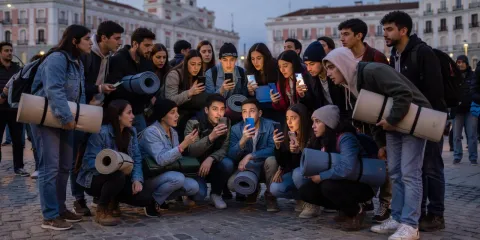
Spain: Pedro Sánchez calls a snap general election for November 29
After the PP, Vox and Junts voted down his housing decrees, the Socialist prime minister dissolved parliament. Trailing in the polls, he is making the housing crisis the central issue of a vote that could bring the far right into government.
 +18
+18Understand global stakes from every perspective.
718 subjects · 75 countries · 8174 perspectives