Every angle on the news
Every story decoded through media worldwide, perspective by perspective.
Economy & Trade
71 subjects found
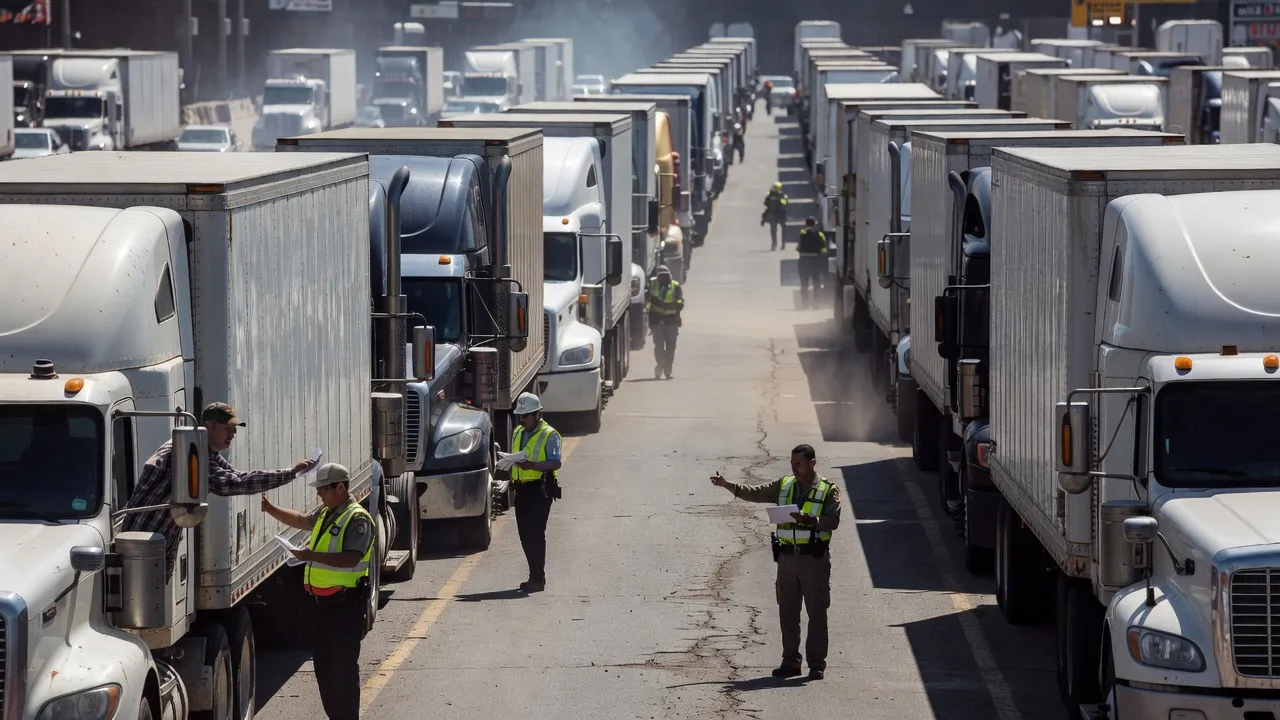
US Won't Renew USMCA: North American Trade Pact on Borrowed Time
The United States will not renew the North American free trade agreement, shifting to rolling bilateral talks with Canada and Mexico. The auto industry holds its breath as Ottawa and Mexico City absorb the blow. Seven countries size up the end of a pact Trump himself once signed.



 +3
+3
Pride marches in Budapest and Istanbul: Europe divided over LGBT rights
Thousands marched at Budapest Pride despite pressure, after a setback for Orban; in Istanbul police dispersed the march. LGBT rights crystallize a values rift across Europe.



 +6
+6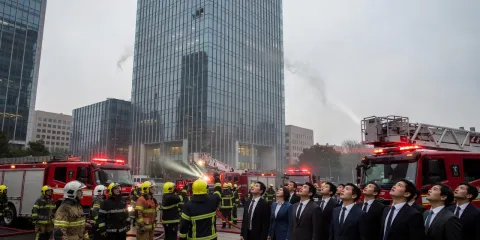
Plane crashes into Beijing's tallest skyscraper
A small plane crashed into the China World Trade Center, Beijing's tallest skyscraper, sparking a fire and a Chinese investigation.



 +6
+6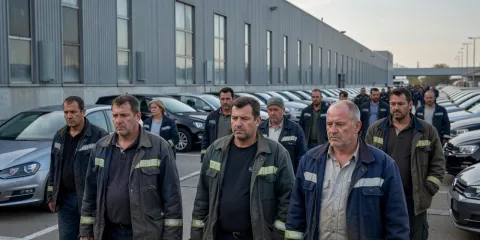
Volkswagen weighs cutting up to 100,000 jobs and closing four German plants
Volkswagen is reportedly weighing up to 100,000 job cuts and the closure of four German plants, a shock for Europe's auto industry and the eurozone's largest economy.

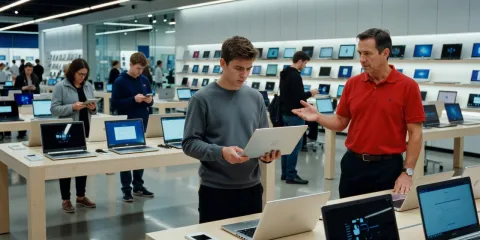
Apple Raises Its Prices: the AI-Fueled Memory Chip Shortage Hits Consumers
For the first time, Apple passes the surging cost of AI-driven memory chips on to customers: MacBooks and iPads jump 20%, the stock drops 6%, and Microsoft follows with the Xbox.

 +4
+4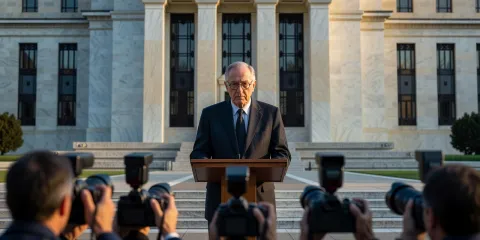
Death of Alan Greenspan: the world weighs the contested legacy of the Fed's 'maestro'
Alan Greenspan, chair of the US Federal Reserve from 1987 to 2006, has died at 100. From Washington to Seoul, the global press weighs a contested legacy: hailed as the markets' 'maestro' or blamed for the deregulation that fed the 2008 financial crisis.
+7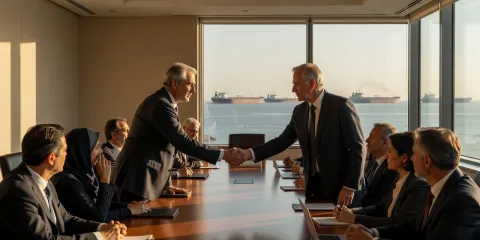
US-Iran talks conclude: Strait of Hormuz deal and asset release
Technical talks between Washington and Tehran concluded in Switzerland on 23 June 2026, yielding working groups, the release of 12 billion dollars in Iranian assets and a US waiver on oil sanctions. Iran will administer the Strait of Hormuz, where oil traffic has returned to normal, while Donald Trump warned Tehran against breaking the deal.
 +9
+9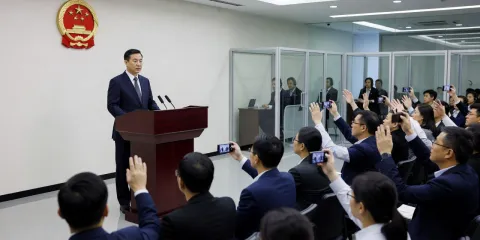
La Chine sanctionne des entreprises américaines et durcit ses contrôles à l'export
Pékin impose de nouveaux contrôles à l'export et des sanctions visant des entreprises américaines, escaladant le contentieux commercial et technologique avec Washington au moment où la diplomatie US-Iran progresse.
 +2
+2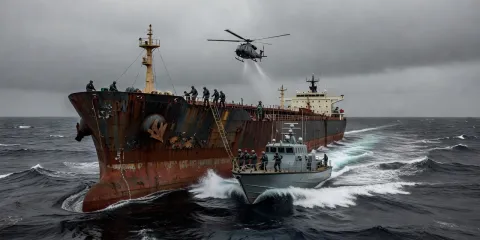
UK Intercepts a Russian Shadow-Fleet Tanker in the Channel
The United Kingdom intercepted a Russian oil tanker linked to Moscow's shadow fleet in the English Channel, intensifying Western efforts to enforce sanctions and counter evasion at sea.
+7
Trump Says Iran Deal to Be Signed 'Sunday' and Hormuz to Reopen — Tehran Pushes Back
Pakistan talks of an 'electronic signature' within 24 hours, Trump promises the Strait of Hormuz 'open to all' the moment it's signed — and Tehran replies it won't be Sunday. Crude falls to its lowest since April, yet Iran already proclaims: 'we are the winner.'
+13
Washington Pulls Anthropic's Two Most Powerful AIs Over National Security
Three days after launch, the Trump administration orders Anthropic to cut off Fable 5 and Mythos 5 from 'any foreign national' — including its own staff. For the first time, Washington treats AI software itself as an export-controlled weapon.
+4Understand global stakes from every perspective.
726 subjects · 75 countries · 8278 perspectives