
DOMINANT ANGLE
Ottawa is first eyeing the surge in the barrel and the record American diesel before reading into the military scope of the night of alerts in Riyadh.
Dominant angle identified — does not reflect unanimity of this country’s media
KEY POINTS
- 01
The Saudi-led coalition claims to have destroyed a missile targeting Riyadh early Saturday and foiled other strikes against Bish, Farasan, Taif, and Yanbu, with no reported casualties or damage.
- 02
Regional officials cited by the Associated Press say that Saudi Arabia, running low on interceptors, has requested anti-aircraft defense support from France, the UK, Pakistan, and Egypt.
- 03
The average retail price of US diesel reached a record high of nearly $6.40 per gallon on Thursday, while crude remains above $100 per barrel.
ANALYSIS
Ottawa, September 19, 2026. Early Saturday, sirens sounded in Riyadh and the neighboring city of Al-Kharj for the first time since the escalation with the Houthists began in July, before the Saudi civil defense lifted the alert in the morning. A Reuters journalist in the Olaya district heard detonations; a thick plume of black smoke rose near the capital's main airport. The Riyadh-led coalition claims to have intercepted a missile targeting the city and foiled other strikes against Bish, Farasan, Taif, and the Yanbu oil terminal, without reporting any casualties or damage this time. The Houthists claim to have attacked "sensitive sites" in Riyadh and an Aramco facility in Yanbu, causing "massive fires" according to them — a claim that neither Riyadh nor Aramco confirms.
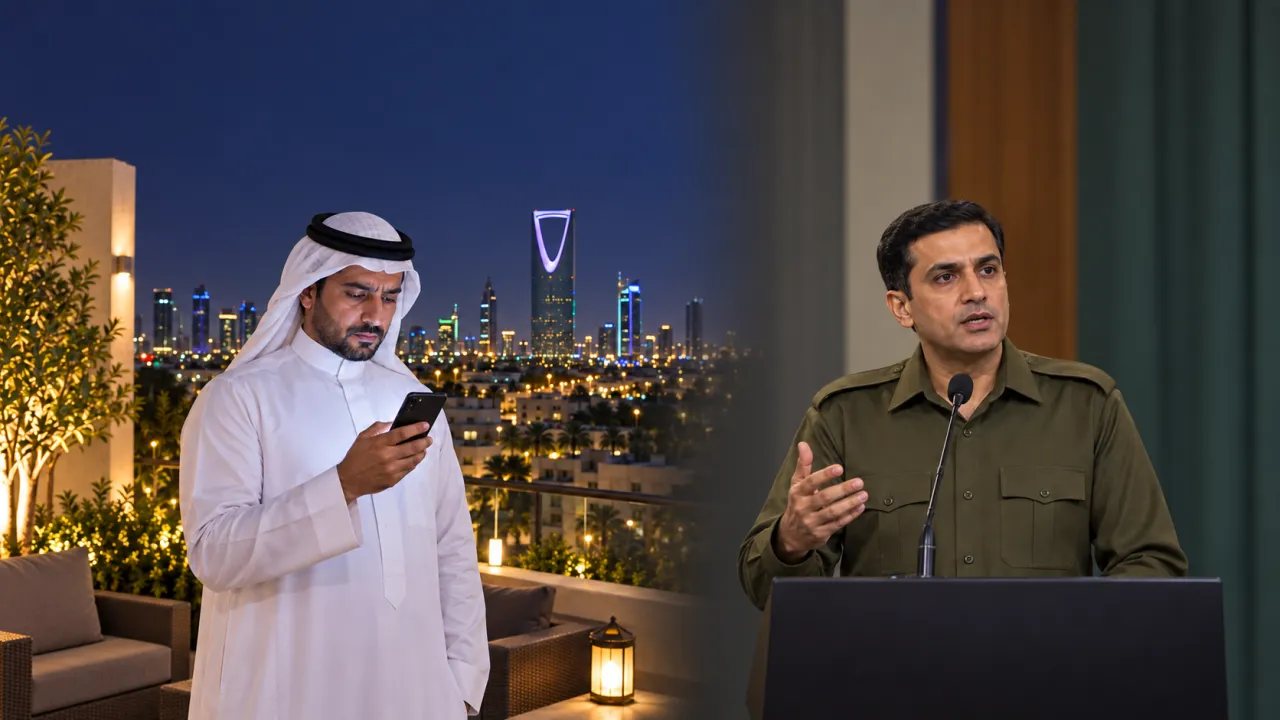
This night of alerts comes after a week of escalation: on Wednesday, Riyadh accused the Houthists of targeting Mecca with an intercepted drone, which the group denies; on Thursday, a Yemeni resident in Saudi Arabia became the kingdom's first officially recognized victim, killed by drone debris in Taif. Regional officials cited by the Associated Press say that Riyadh, short of interceptors, is now seeking help from France, the United Kingdom, Pakistan, and Egypt to strengthen its air defense. Islamabad responded on Thursday through its military spokesman, General Ahmed Sharif Chaudhry, promising to defend the kingdom "to the end, diplomatically and physically," in the name of the tripartite pact signed in September 2025 with Turkey. Ankara, through its foreign minister Hakan Fidan, mentions possible "technical" support.
Washington, for its part, is content to observe: Donald Trump has again ruled out any direct military intervention against the Houthists, requested by Crown Prince Mohammed bin Salman. For Ottawa, the most tangible issue remains economic: crude oil remains above $100 a barrel and US retail diesel reached a record of nearly $6.40 a gallon on Thursday, while the Red Sea route, an alternative to the already blocked Strait of Hormuz, is also closing. More than 100,000 Yemenis have fled the fighting, according to the International Organization for Migration, as the Houthists now control the entire Yemeni Red Sea coast, including the port of Mokha and the islands of the Bab-el-Mandeb Strait.