
DOMINANT ANGLE
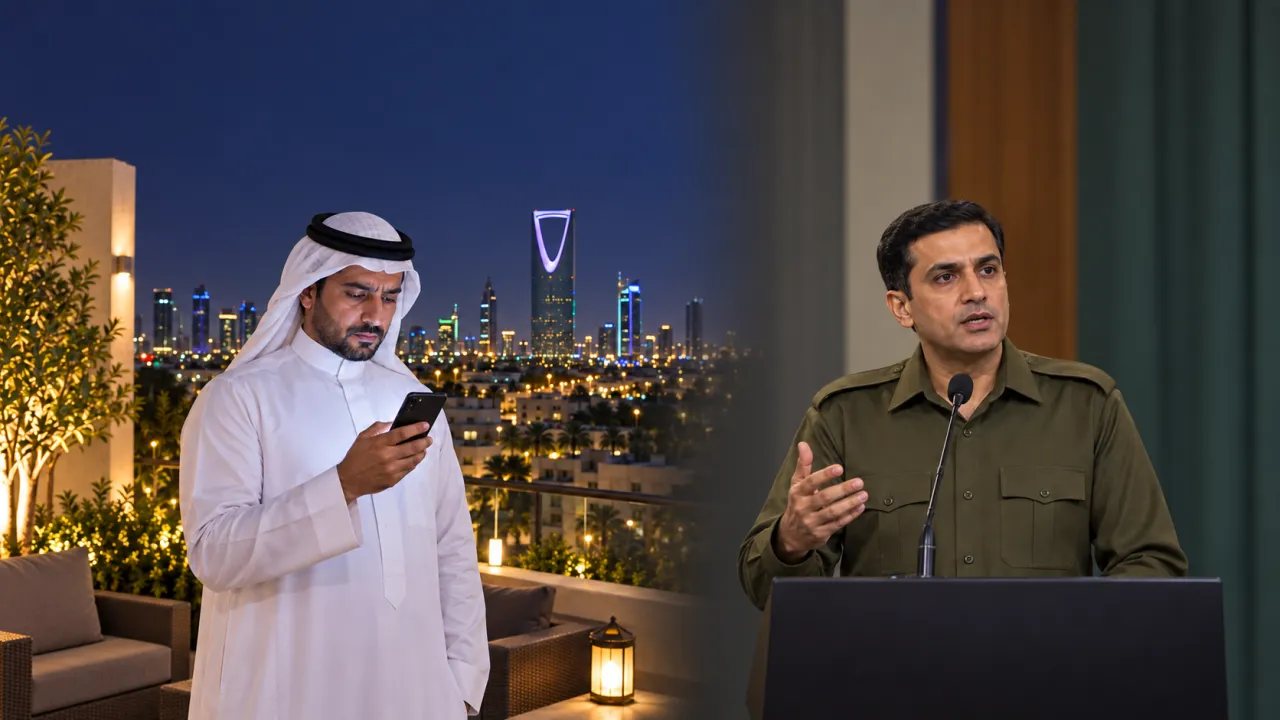
Islamabad claims a role as a regional guarantor: at the UN and through the voice of its Defense Minister, Pakistan asserts that it will go "all the way" to protect Saudi Arabia and the Holy Sites, in the name of the Makkah pact and the 2025 mutual defense agreement.
Dominant angle identified — does not reflect unanimity of this country’s media
KEY POINTS
- 01
Defense Minister Khawaja Asif: "The Makkah agreement applies to us, and we will fulfill our duty" (Geo News, September 16).
- 02
Prime Minister Shehbaz Sharif promised "shoulder-to-shoulder" support to Riyadh and condemned a "heinous and despicable" attack on the Holy Sites.
- 03
Ambassador Asim Iftikhar Ahmad called on the Security Council for the immediate cessation of Houthi attacks on ships in Bab al-Mandab and warned of risks to the Hormuz Strait.
ANALYSIS
Islamabad, September 19, 2026. After air alerts were triggered in Riyadh and several Saudi regions, Pakistan is multiplying gestures of solidarity towards Saudi Arabia, between an invoked defense pact and diplomacy at the UN. On Wednesday, Pakistani Defense Minister Khawaja Asif judged that "the time has come" to apply the Makkah agreement concluded with Riyadh, after a Houthi drone strike attempt near the holy city. "The Makkah agreement applies to us, and we will fulfill our duty," he stated on Geo News, specifying that Pakistan did not need a text to protect the Holy Sites, a duty that imposes itself even in its absence. The same day, Prime Minister Shehbaz Sharif reaffirmed Islamabad's "full support" for the defense of Saudi Arabia, ensuring that the country stood "shoulder to shoulder" with Riyadh and condemning an attempt to attack the Holy Sites as "heinous and abject", while calling for restraint and regional de-escalation.
On Friday, Pakistan's ambassador to the United Nations, Asim Iftikhar Ahmad, brought this solidarity before the Security Council, meeting in Arria format on the maritime blockade imposed by the Houthis. He demanded the "immediate" cessation of attacks against merchant ships in the Bab al-Mandab Strait, denouncing the "malicious designs" of a movement accused of wanting to transform the strait into a weapon against commercial navigation. The envoy warned that the maritime crisis, combined with disruptions in the Ormuz Strait, threatened global peace, energy and food security, and called for the protection of navigation freedom and crews.
The Pakistani press also relays information from Reuters that China has privately asked Iran to use its influence over the Houthis after a call from Riyadh to Beijing, Tehran responding, according to three Iranian sources cited by the agency, that regional stability depended on the end of the American-Israeli war against Iran. Beijing, which depends on the energy routes of the Red Sea, has publicly called for restraint, dialogue, and the restoration of safe navigation.
The Pakistani press finally notes that a Pakistani resident was injured this week in Taif during the interception of a drone that killed a Yemeni - the first death recognized by Riyadh since the intensification of Houthi attacks, against the backdrop of a war already seven months old between Iran and the United States.
SOURCES (4)
- ARY NewsMEDIUM
- Daily TimesMEDIUM
- Business RecorderMEDIUM