
DOMINANT ANGLE
Dakar denounces the Houthi attacks against Saudi Arabia and limits its reaction to a diplomatic call for de-escalation, without taking sides in the regional military escalation.
Dominant angle identified — does not reflect unanimity of this country’s media
KEY POINTS
- 01
The government has issued a statement "firmly" condemning the Houthi attacks on Saudi Arabia, through the Ministry of Foreign Affairs and Senegalese Abroad.
- 02
It expresses its "full solidarity" with the Saudi authorities and people and claims to have learned "with concern" of the attacks that affected civilian populations.
- 03
It calls on "the parties concerned" to show restraint and de-escalate, without naming the Houthi or Iran, in the name of peaceful settlement of disputes.
ANALYSIS
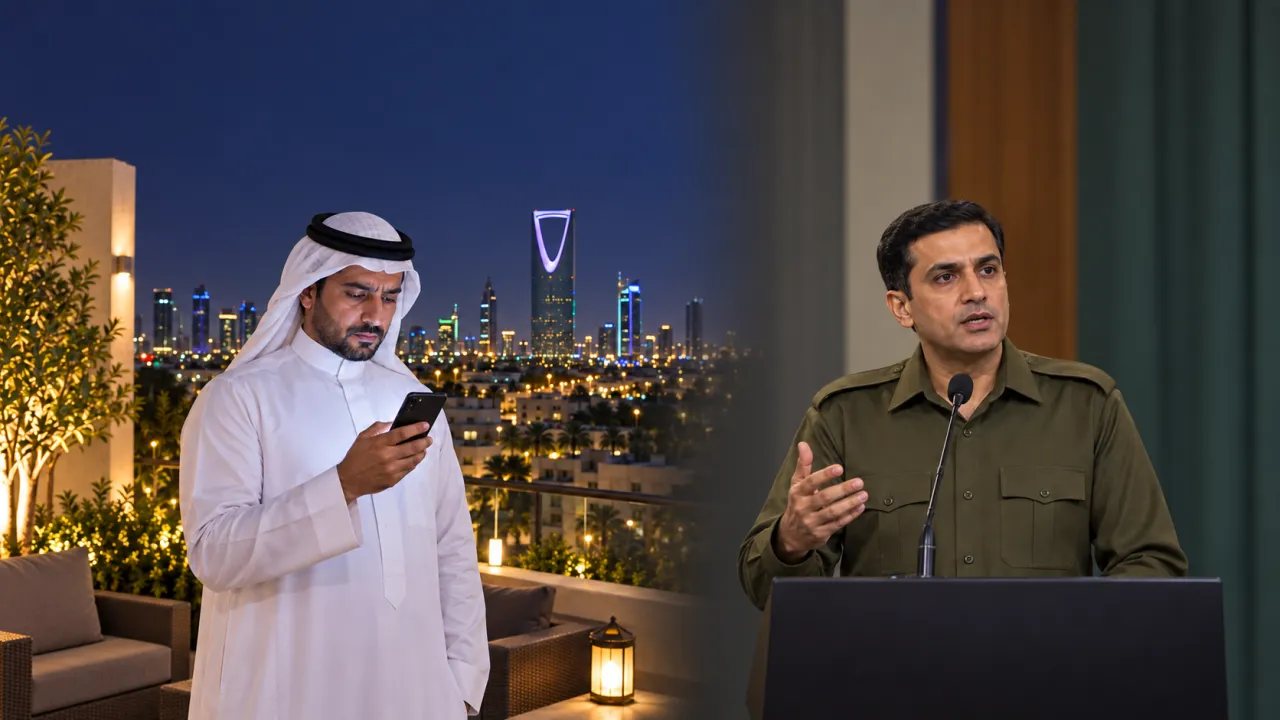
Dakar, September 19, 2026. The government of Senegal has reacted with an official statement to the attacks attributed to the Houthists against Saudi Arabia, published this Friday by the Ministry of Foreign Affairs and Senegalese Abroad. The text "firmly" condemns operations that, according to Dakar, targeted "several localities and infrastructure" of the kingdom and "affected civilian populations". The Senegalese government says it has learned "with concern" of these attacks, which occurred while Riyadh and several Saudi regions were placed under air alert.
Senegal expresses its "full solidarity" with "the Saudi authorities and people", recalling long-standing ties between Dakar and Riyadh within the Organization of Islamic Cooperation. Relayed by both Le Soleil and PressAfrik in nearly identical terms, the statement emphasizes Senegal's attachment to "the peaceful settlement of disputes" and calls on "the parties concerned" - without explicitly naming the Houthists or Iran, which supports them - "to show restraint and prioritize de-escalation".
This statement does not mention the role of Pakistan, which has committed to defending Saudi Arabia militarily under their mutual defense pact, nor the maritime blockade imposed by the Houthists since July in the Bab al-Mandab Strait, nor American or Chinese involvement in the ongoing negotiations. Dakar frames its intervention around the preservation of "peace, security, and stability" in the region, without detailing the military or diplomatic balance of power at play.
By prioritizing the call for de-escalation over a condemnation naming one side, the Senegalese statement remains close to the line adopted by other African capitals concerned about being drawn into the rivalries between Gulf powers and the Iranian-Houthist axis. No Senegalese statement has so far mentioned a potential logistical or diplomatic involvement of Dakar in this crisis, which affects commercial routes that West Africa also depends on.