
DOMINANT ANGLE
Abuja weighs in on the forecast of 4.2% in light of the cost of living: growth exists, but Nigerian households do not feel its effects.
Dominant angle identified — does not reflect unanimity of this country’s media
KEY POINTS
- 01
The IMF raises its growth forecast for 2026 to 4.2%, up from 4.1% in July (Vanguard, Nigerian Eye).
- 02
Deniz Igan, of the IMF: "While the growth held up, given energy exporter, poverty risks are still very high" (Nigerian Eye).
- 03
The IMF recommends monetary transfers and temporary targeted support to vulnerable households, and forecasts 4.5% growth in Sub-Saharan Africa in 2026 (Vanguard).
ANALYSIS
Abuja, October 14, 2026. Nigeria's press has taken note of the IMF report, published on Tuesday, October 13, during the annual meetings in Bangkok, particularly the forecast concerning the country: Nigeria's growth in 2026 has been revised upward to 4.2%, compared to 4.1% in the July edition. However, Vanguard Nigeria highlights the other side of the observation: despite growth and its status as an energy exporter, the cost of living remains high and many Nigerians struggle to meet their basic needs.
The Fund attributes the economy's stability to improved macroeconomic stability and favorable effects on trade terms. Nigerian Eye reiterates its warning: "Higher prices for essentials are expected to further aggravate poverty and food insecurity." The rise in energy and food prices, geopolitical tensions, and a possible correction in markets related to artificial intelligence are presented as threats to global prospects.
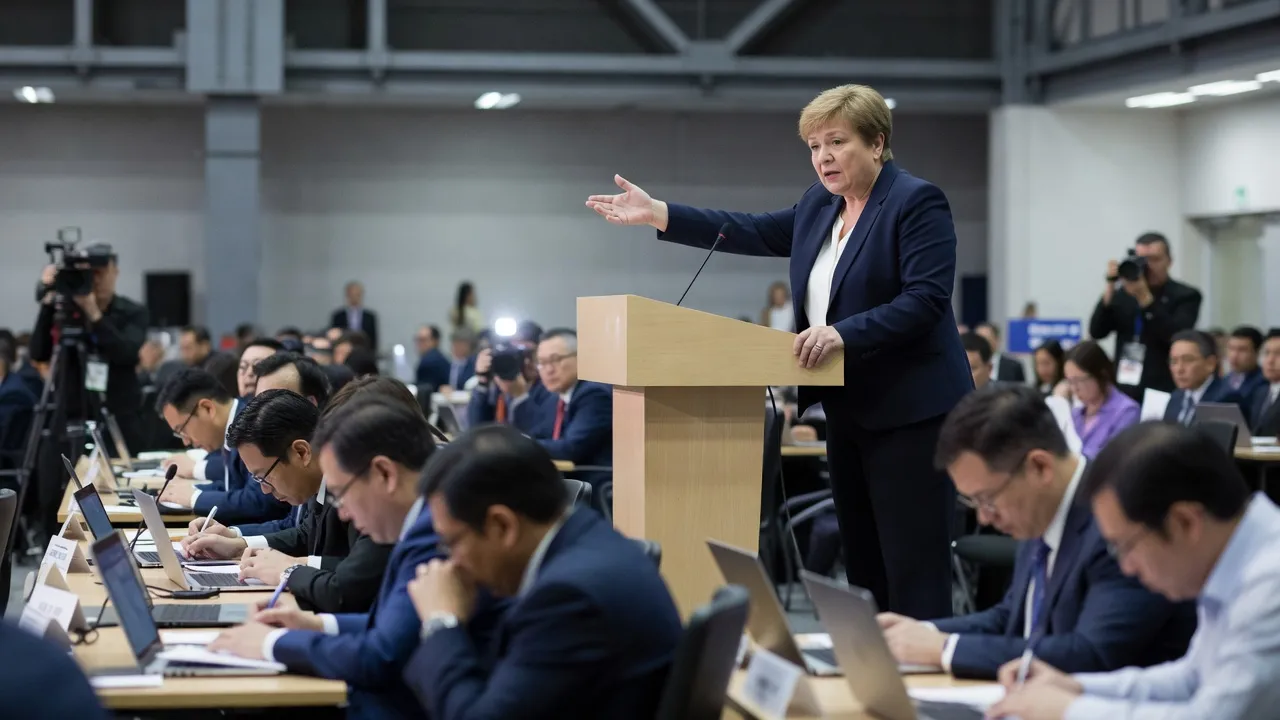
During the press conference, Deniz Igan, head of global economic studies at the IMF's research department, cited Nigeria as an example. According to her, growth has been sustained in part because the country exports energy, but poverty risks remain very high. She recommends monetary transfers and targeted temporary support for the income of the most vulnerable households, consistent with the government's medium-term budget framework. Vanguard adds that the IMF is urging the federal state to reduce its debt without exacerbating household difficulties.
The two publications thus highlight the trade-off formulated by Ms. Igan: reconciling the population's immediate needs, food and energy security, and medium-term budget stability. The global framework, titled "Resilience Under Strain, Urgent Choices", serves as a backdrop rather than a subject.
Regarding sub-Saharan Africa, Vanguard quotes the IMF as anticipating stable growth of 4.5% in 2026, while noting significant differences between countries depending on their policy leeway, reforms, exposure to raw materials, climate shocks, and access to external financing. Nigeria thus appears both as a beneficiary of the energy shock, through its export revenues, and as an economy whose households bear the cost.