
DOMINANT ANGLE
Singapore notes the oil shift towards Asia, as Aramco redirects cargoes meant for Asian refiners to the Omani port of Sohar after the strikes on its east-west pipeline.
Dominant angle identified — does not reflect unanimity of this country’s media
KEY POINTS
- 01
Saudi Aramco is offering its Arab Light, Arab Medium, and Arab Heavy grades to Asian buyers for a ship-to-ship transfer loading off Sohar, Oman, outside the Strait of Hormuz.
- 02
Saudi loadings at Ras Tanura and Juaymah have doubled to around two very large crude carriers per day (4 million barrels) according to Energy Aspects; Kpler tracked four supertankers (8 million barrels) loading on September 16.
- 03
Riyadh shut its east-west pipeline on September 11 after drone strikes, cancelled cargoes to Europe, and European physical Brent has exceeded $122 a barrel.
ANALYSIS
Singapour, 16 September 2026. As the Strait of Ormuz becomes congested and the Houthists step up strikes on Saudi soil, the Singaporean press first notes the shift in oil flows towards Asian refiners. According to Channel News Asia, Saudi Arabia is now offering more cargoes to its Asian clients through ship-to-ship transfers off the Omani port of Sohar, located outside the Strait of Ormuz. State-owned company Saudi Aramco is offering its three flagship grades, Arab Light, Arab Medium, and Arab Heavy, to contract buyers in Asia, for loading in Sohar. This shift comes after drone attacks damaged the east-west pipeline connecting the Gulf to the Red Sea, forcing Riyadh to shut down the infrastructure on 11 September and cancel some cargoes to Europe.
Satellite tracking data cited by Channel News Asia shows that Saudi loadings at Ras Tanura and Juaymah have doubled, reaching around two very large crude carriers per day, or 4 million barrels, according to Energy Aspects. Kpler, a provider, has spotted four supertankers capable of transporting 8 million barrels loading at Ras Tanura on 16 September. The buyers concerned, who were not identified, were not authorized to speak publicly, the article notes.
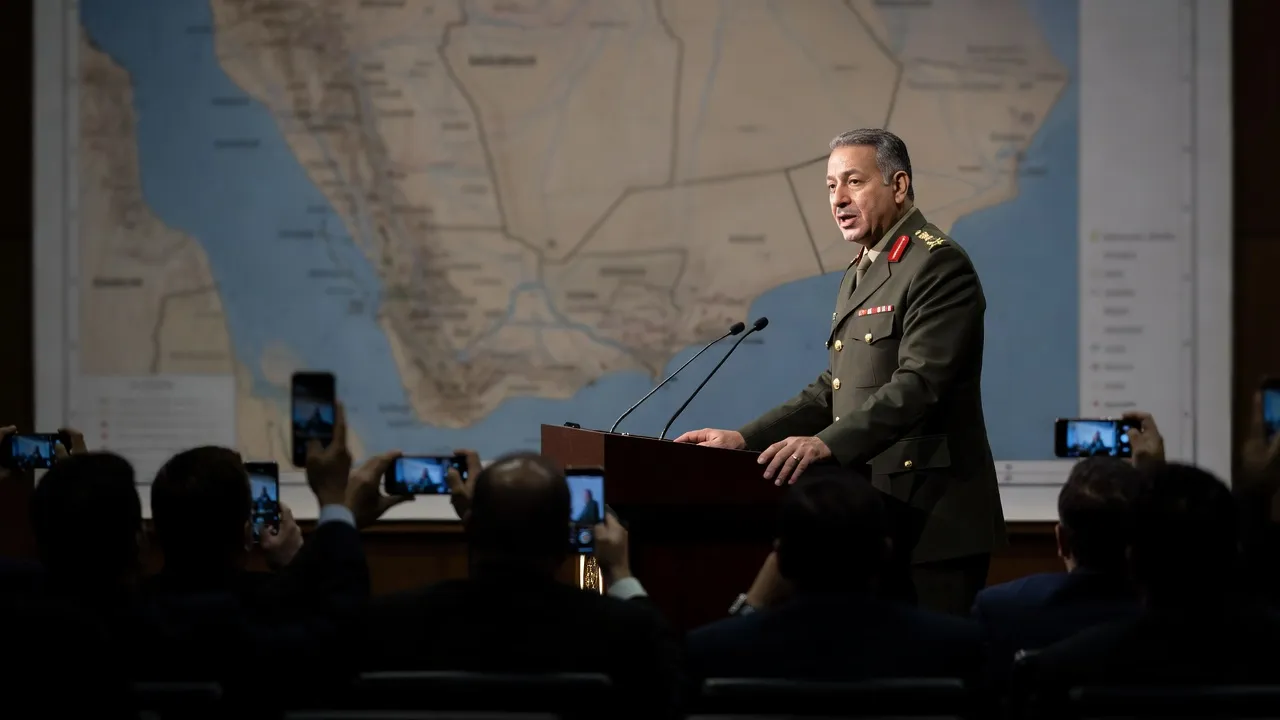
The Straits Times, for its part, places these movements in the broader context of a six-month war between the United States and Iran, which has reduced traffic in the Strait of Ormuz "to a trickle". The newspaper reports that Saudi Arabia warned on Tuesday that it would react "firmly" to Houthist attacks, after missile and drone strikes injured thirteen civilians in the south of the kingdom. A drone targeting Mecca was also destroyed on Tuesday evening before entering the city's restricted airspace, said coalition spokesman General Turki Al-Malki, for whom the security of Mecca is "a red line". The Houthists denied targeting the city.
For the Singapore financial and oil hub, the signal retained is less military than energy-related: crude is heading to Asia via bypass routes, at high prices - European physical Brent has exceeded $122 a barrel - while the balance of power on the Yemeni ground, where the Houthists now control Mokha and the island of Mayyoun, remains a distant backdrop.