
DOMINANT ANGLE
Bern measures the Strait crisis by its own benchmarks: Swiss experts cited by the local press translate the Ormuz oil spill into familiar units — the surface of Lake Geneva — and document a Saudi Arabia caught in a vice between three military fronts.
Dominant angle identified — does not reflect unanimity of this country’s media
KEY POINTS
- 01
Greenpeace mentions five oil slicks in the Strait of Hormuz and off the coast of Oman, including one as vast as Lake Geneva
- 02
Cornelia Kienle (Eawag) lists the species threatened by the slicks: green turtles, Arabian humpback whales, dugongs, dolphins, whale sharks
- 03
The Houthists now control the entire Yemeni coast of the Red Sea and the Bab-el-Mandeb Strait, placing Saudi Arabia in an "increasingly uncomfortable triangle" between Hormuz to the east and the Red Sea to the west
ANALYSIS
Berne, September 16, 2026. The Swiss press is addressing the crisis in the Strait of Ormuz from two distinct but complementary angles: the ecological cost of the oil war and the strategic stranglehold closing in on Saudi Arabia.
SRF News reports that several oil tankers damaged by sea mines or rocket fire have leaked oil into the Strait of Ormuz and off the southern coast of Oman. Greenpeace mentions five distinct oil slicks, one of which would cover at least the surface of Lake Geneva — a Swiss comparison to make the extent of the disaster tangible. Cornelia Kienle, from the ecotoxicology center of the water research institute Eawag, warns that it is difficult to assess the current situation due to a lack of data on the quantities spilled, adding that the oil is leaking in an active war zone with no end in sight, and that this could still worsen significantly. She details the threatened species: green turtles, hawksbill turtles, Arabian humpback whales in danger of extinction, dugongs, dolphins, whale sharks, and migratory birds, as well as the mangroves that protect the coastline. The oil reaching the coast can engulf the plumage of seabirds and the fur of mammals, causing drowning or hypothermia; it can also cover corals, leaves, and roots, block photosynthesis, and obstruct the gills of fish.
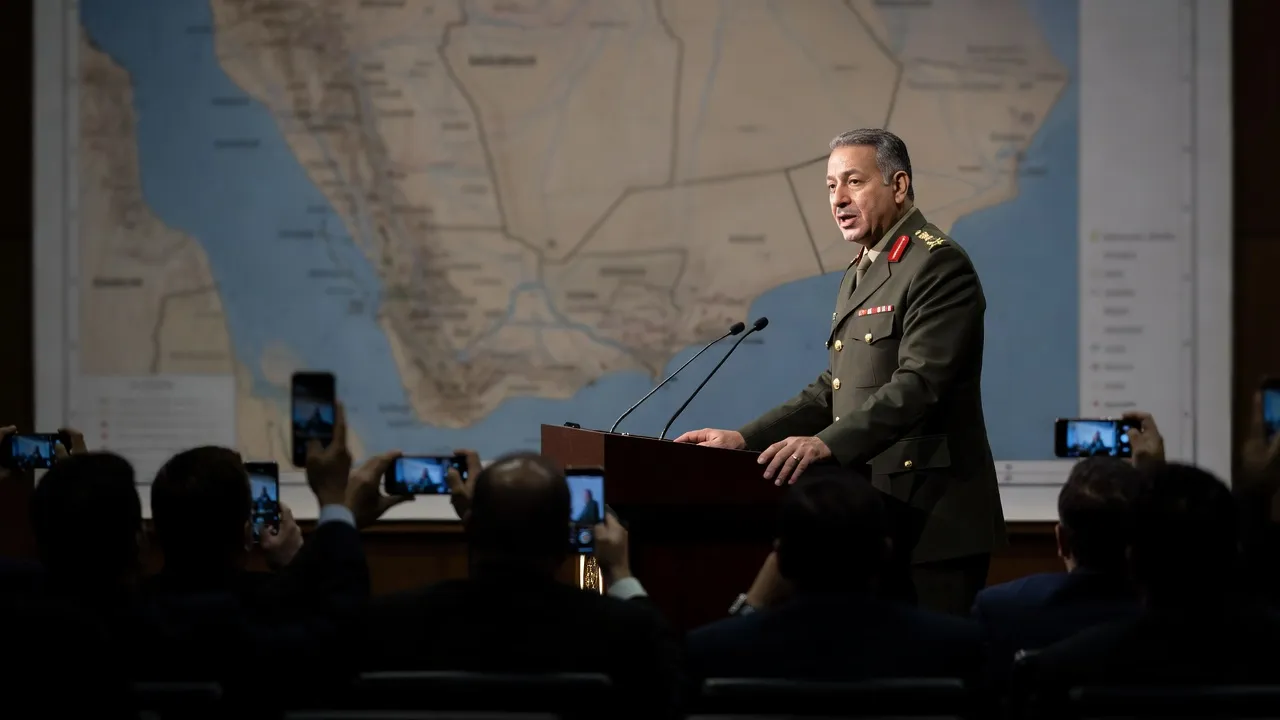
Le Temps, citing the Lebanese daily L'Orient-Le Jour, describes a Saudi Arabia "short of options" after the defeat of the internationally recognized Yemeni government, an ally of Riyadh, at the hands of the Houthi rebels, who now control the entire Yemeni coast of the Red Sea and the Bab el-Mandeb Strait. The kingdom, a regional heavyweight and major oil exporter, finds itself caught in an "increasingly uncomfortable triangle": Ormuz disrupted to the east by the Iranian-American confrontation, the Red Sea locked to the west by the Houthi rebels, and in the center, drones fired from Iraq by pro-Iranian groups that have shown that even the east-west oil pipeline, Riyadh's main bypass route around Ormuz, remains vulnerable.