Every angle on the news
Every story decoded through media worldwide, perspective by perspective.
84 subjects found
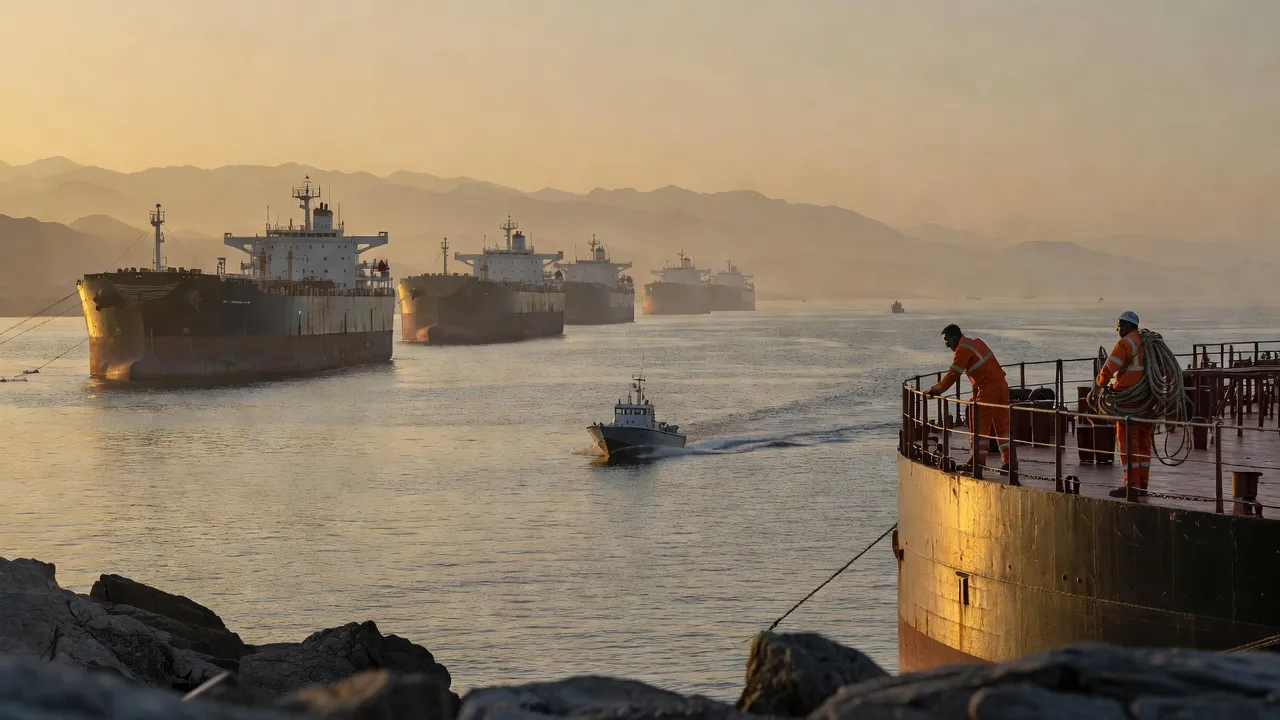
Iran Sets Six Conditions for Reopening Hormuz as the Revolutionary Guards Call the Strait a 'Theatre of War'
On Saturday the secretary of Iran's Supreme National Security Council published six preconditions for reopening the Strait of Hormuz: an end to the war, the lifting of the naval blockade and of sanctions, the withdrawal of US forces, compensation for war damage and the release of frozen assets. On Sunday the Revolutionary Guards hardened the line while Oman negotiated a temporary shipping corridor and Washington spoke of 'some progress'. A fifth of the world's oil is waiting.


 +19
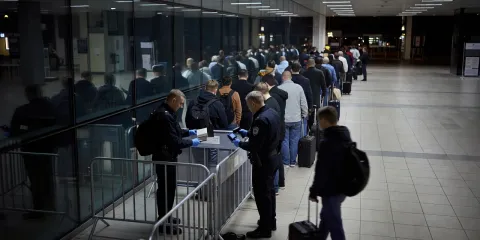
Spain imposes its own border checks on Italy, which refuses to back down
Madrid gave Rome until 9 August to lift the checks imposed on 1 August, then acted: controls on travellers from Italy until 7 September. Italy extended its own. Behind the quarrel lie at least 141 dead at Ceuta, 1,342 unaccompanied minors, and an investigation into Russia-linked accounts. Twenty-two countries order these three threads differently.


 +18
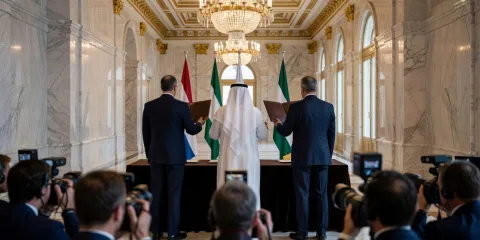
Saudi Arabia, Turkey and Pakistan sign the Mecca defence pact
On 7 August 2026, Mohammed bin Salman, Recep Tayyip Erdoğan and Shehbaz Sharif signed an agreement at Al-Safa Palace stating that an armed attack on any one of the three countries will be treated as an attack on them all. Riyadh insists it is 'neither a military axis nor a sectarian bloc'; thirteen countries read it differently, and Iran, its implicit target, is absent from the account.

 +9
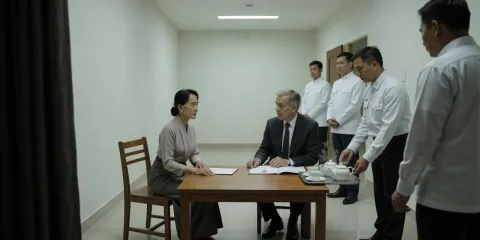
Aung San Suu Kyi Reappears After Five Years in Detention and Meets the Red Cross
Myanmar's military-backed government released four photographs of 81-year-old Aung San Suu Kyi receiving an ICRC representative in Naypyidaw — the first images in five years. Ten countries read something different into them: proof of life in Dhaka, a calculated opening in Tokyo, a signal to ASEAN in Kuala Lumpur.


 +6
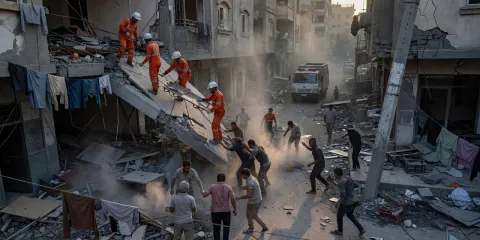
Israel Refuses to Withdraw From Gaza Despite the Deal as Its Strikes Kill Nine
Israel has conveyed to Washington its "serious security concerns" over Hamas disarmament and refuses any withdrawal until it is complete. Trump's Board of Peace backed that position. The strikes continued: nine killed on Saturday, up to eighteen on Sunday. Fifteen countries, from Jerusalem to Doha, do not tell the same day's story.


 +11
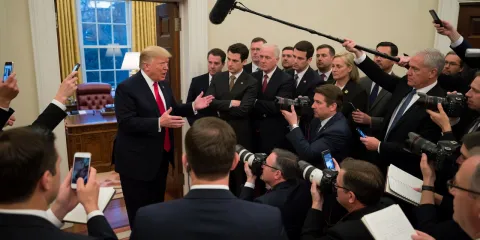
Trump Gives Iran a "Last Chance" as Tehran Denies Any Talks Are Under Way
Donald Trump says he called off a strike and opened talks with Iran, calling them a "last chance before decapitation". Tehran denies it: its only acknowledged channel is Omani mediation over the Strait of Hormuz, where a cargo vessel was struck. Twenty-one countries read the same ultimatum, between taking it seriously and weariness at a familiar cycle.
+17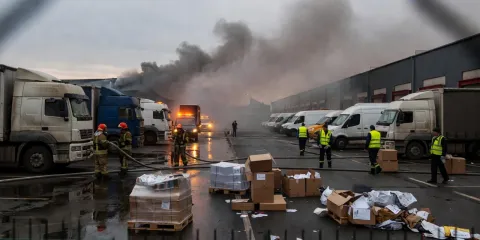
Ukraine Hits a 17th Warehouse of the "Russian Amazon" as Moscow Claims 635 Drones Downed
Overnight on August 2-3, Ukraine struck a 17th warehouse of e-commerce giant Wildberries, a Rosneft refinery in Saratov and the Engels airfield. Moscow says it downed 635 drones and reported eight dead. Kyiv argues the "Russian Amazon" supplies the army: civilian logistics has become a target, and capitals agree neither on the legitimacy of that choice nor on whether it works.


 +7

Russia charges Telegram founder Pavel Durov and issues an international arrest warrant
On July 29, 2026, Russia's FSB charged Telegram founder Pavel Durov, a French citizen, with 'aiding terrorist activity' and placed him on an international wanted list, accusing the app of facilitating 'Ukrainian terrorism' and refusing to cooperate. Durov, under judicial supervision in France since 2024, responded with a gesture of defiance. The same day, Australia launched a separate legal action against Telegram.
 +2
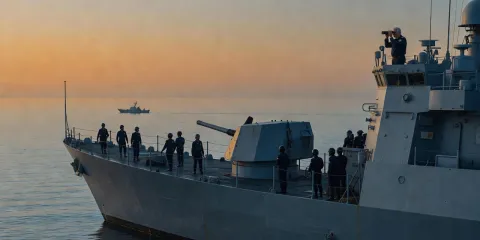
The United States and Iran halt their strikes: a pause for talks
After thirteen nights of U.S. bombing, Donald Trump orders a pause that Iran says it reciprocates by halting its reprisals. Tehran denies any direct negotiation despite Qatari and Pakistani mediation, while oil prices retreat and the Strait of Hormuz stays tense.
 +11
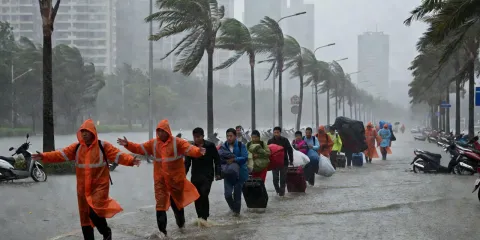
Typhoon Noul slams China's Guangdong, forcing mass evacuations
Typhoon Noul, described as the most powerful of 2026, made landfall on 26-27 July in China's Guangdong province, forcing the evacuation of several hundred thousand people (up to 710,000 by some accounts), grounding flights and halting trains in Shenzhen, Guangzhou and Hong Kong, and bringing torrential rain and flooding. Authorities raised the alert to its highest level.

 +7
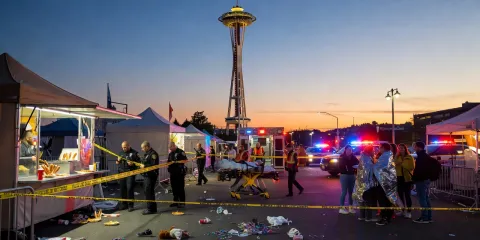
Shooting near Seattle's Space Needle kills two at food festival
A shooting erupted on 26 July 2026 near Seattle's Space Needle, on the sidelines of the Bite of Seattle festival, killing two people and wounding five, including a two-year-old child. A suspect was arrested and SWAT units deployed. The attack revives the recurring US debate over firearms and the security of large public gatherings.
 +5
Understand global stakes from every perspective.
718 subjects · 75 countries · 8174 perspectives