Iran — news through its media
Stories followed in this country, with their framing set against the rest of the world.
106 subjects found
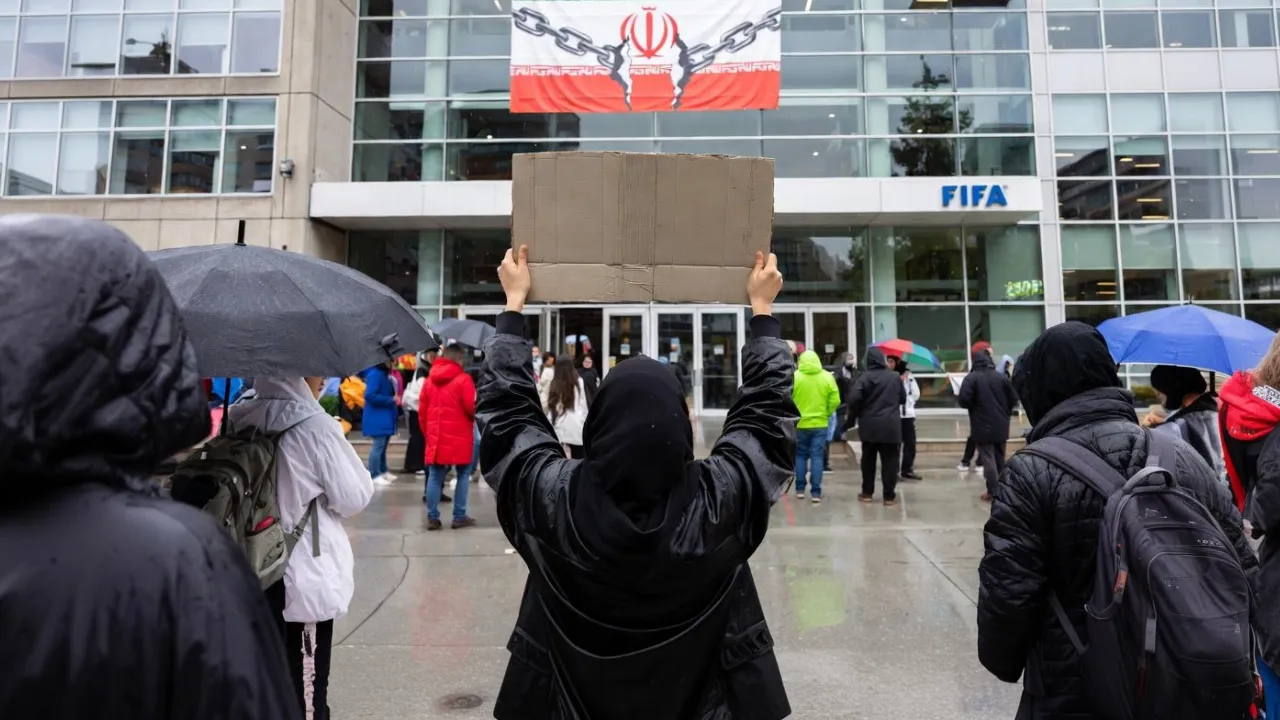
Iran Will Play the World Cup in the US: FIFA Confirms, Trump Says OK, Iranian Exiles Protest
At the FIFA Congress in Vancouver, Gianni Infantino confirmed that Iran will participate in the 2026 World Cup hosted by the United States — despite the ongoing US-Israel war against Iran. Trump gave his blessing: 'If Infantino says so, I don't mind.' Iran's football delegation had earlier stormed out of Canada after being detained at Toronto airport, calling it an 'insult.' Meanwhile, Iranian diaspora protesters outside the Congress chanted 'They are not representing Iran' and demanded FIFA apply the same standards used against Russia. A diplomatic paradox with no historical precedent in world football.


 +9

Iran proposes reopening Hormuz strait in exchange for end to US naval blockade
Iran has submitted a formal proposal: reopen the Strait of Hormuz if Washington lifts its naval blockade — while Trump declares Iran in 'state of collapse' and Merz accuses it of waging war without strategy.


 +13

Iran-Strait of Hormuz: Tehran Plays Moscow Card While Trump Awaits a Phone Call
Facing military stalemate, Iran proposes reopening Hormuz in exchange for ending the U.S. blockade, while Foreign Minister Araghchi bypasses Pakistani mediation by visiting Putin. Trump responds that all Tehran needs to do is call. Europe grows impatient.


 +13

Pakistan Steps In as Mediator Between the US and Iran — Then Trump Cancels His Envoys
A second round of US-Iran talks was supposed to take place in Islamabad, with Pakistan hosting both sides as a neutral broker. Donald Trump abruptly cancelled the trip of Jared Kushner and Steve Witkoff, saying negotiations could happen by phone. Iran had already denied any direct meeting was planned. Pakistan's prime minister vowed to remain an 'honest and sincere facilitator.' The episode exposes the fractures in American diplomacy and the growing ambitions of Global South nations as conflict mediators.
 +15

Pope Leo XIV Eases Tensions with Trump, Who Follows Up with Bible Marathon Reading — World Watches, Divided
Pope Leo XIV defuses the crisis with Trump by declaring he is 'not at all' seeking to debate. Trump responds by participating in a Bible marathon reading. The imminent meeting with King Charles III is shaping up under high diplomatic tension.
 +5

Iran shuts Hormuz again mid-talks: negotiations show progress but US blockade derails everything
Iran announces the re-closure of the Strait of Hormuz 48 hours after reopening it, accusing the US of violating the deal. Trump claims a peace deal is near while negotiations stall over nuclear issues and blockade terms.
 +5

Strait of Hormuz Reopens Under High Tension: Iran Holds the Cards, Trump Sidelines NATO, Paris and London Launch Their Own Naval Mission
The Strait of Hormuz has been declared officially reopened to commercial shipping by Iran and confirmed by Trump, but underlying tensions persist. France and the UK have launched an independent joint naval mission outside NATO framework after Trump explicitly rejected NATO involvement in securing the strait. Maritime companies and insurers remain cautious despite the official reopening, and a fundamental divergence exists between Iran's claim of full sovereignty over the reopening and Western interpretations attributing it to American pressure. This development reveals a deeper fracture: Trump's rejection of NATO for this mission forces Europe to build independent naval capacity, marking a potential shift in the global security architecture surrounding critical maritime routes.
 +7

The Strait of Hormuz Blockade Put to the Test: Chinese Tankers, Round 2, and the Price of Defiance
A sanctioned Chinese oil tanker forces passage through the strait while Washington and Tehran negotiate behind closed doors for a second round—the blockade reveals its flaws before it has even truly begun.
 +2

The Strait of Hormuz Battle: Supertankers Force Passage, Iran Holds Global Energy Chokepoint
Chinese supertankers transit the strait under U.S. escort, but Iran asserts it has authorized no passage—a high-stakes standoff over the world's energy chokepoint is unfolding in real time.
 +20


Understand global stakes from every perspective.
718 subjects · 75 countries · 8174 perspectives