Morocco — news through its media
Stories followed in this country, with their framing set against the rest of the world.
25 subjects found
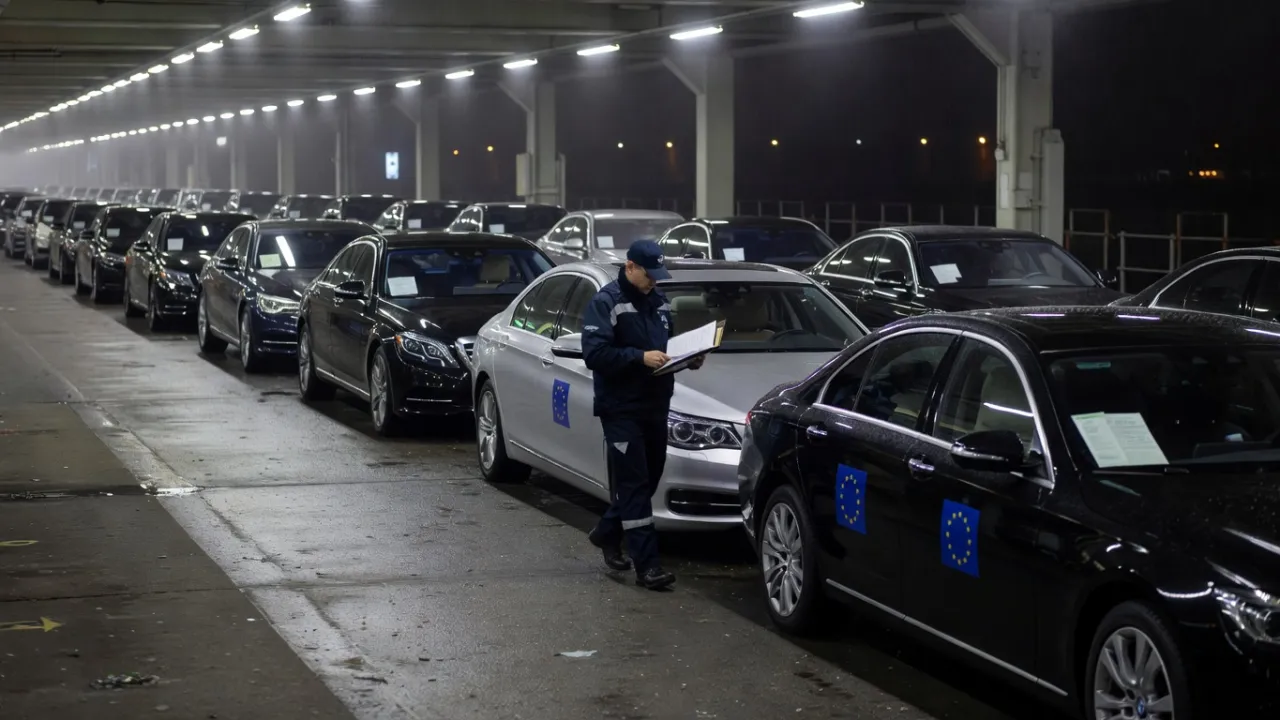
Trump Hikes EU Auto Tariffs to 25%: Brussels Fires Back, Seoul Takes Note
On May 1, 2026, Donald Trump announced he would raise US tariffs on European Union cars and trucks to 25%, up from the current 15%, accusing the EU of failing to comply with their summer 2025 trade deal. The measure was set to take effect the following week. The EU denounced the move as 'unacceptable' from an 'unreliable' trading partner. The announcement came the same day the EU-Mercosur deal entered into force, revealing the multi-front trade war Trump is waging against his allies.


 +4
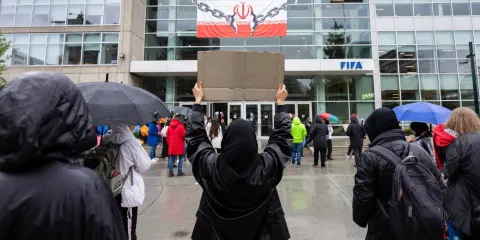
Iran Will Play the World Cup in the US: FIFA Confirms, Trump Says OK, Iranian Exiles Protest
At the FIFA Congress in Vancouver, Gianni Infantino confirmed that Iran will participate in the 2026 World Cup hosted by the United States — despite the ongoing US-Israel war against Iran. Trump gave his blessing: 'If Infantino says so, I don't mind.' Iran's football delegation had earlier stormed out of Canada after being detained at Toronto airport, calling it an 'insult.' Meanwhile, Iranian diaspora protesters outside the Congress chanted 'They are not representing Iran' and demanded FIFA apply the same standards used against Russia. A diplomatic paradox with no historical precedent in world football.
 +9
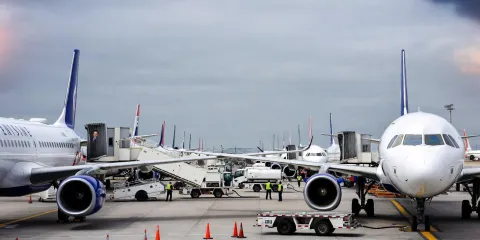
Six weeks of kerosene in Europe, three million new poor in the Philippines: the energy bill of war
The IEA chief warns that Europe has only six weeks of kerosene left—while the Philippines counts its future poor and Indonesia buys Russian oil.


 +3
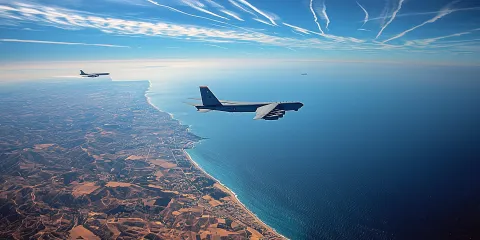
Spain Closes Its Skies to American Planes: A NATO Ally's Rebellion Against the Iran War
Madrid is blocking not only the Rota and Morón bases but also any overflight of its territory by aircraft involved in operations against Iran — including those departing from the United Kingdom or France. Trump threatens a total trade embargo. Fifteen American KC-135 tankers relocated to Germany. Ten countries, ten readings of a historic fracture within NATO.

 +6
International Tensions: Iran at the Center of Strategic and Diplomatic Stakes
Recent events involving Iran underscore its central position in regional conflicts and global diplomacy. From Israeli strikes to American negotiations, the country generates varied reactions that affect Middle Eastern security and beyond.

 +24
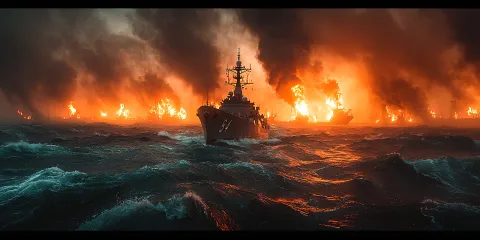
Rising Tensions Between Iran and the United States: Threat to the Strait of Hormuz
Military tensions are intensifying between Iran and the United States, with threats from Tehran to close the Strait of Hormuz. This situation poses a major risk to global energy security, affecting international trade and oil prices.

 +21
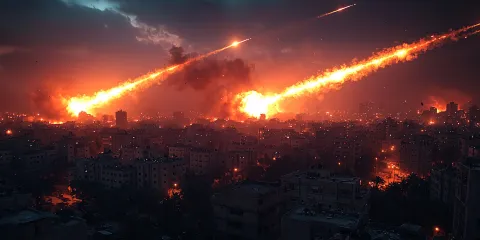
Middle East Conflict: Iranian Strikes on Israel and International Reactions
Iranian air strikes targeted Israel, hitting a city with a nuclear research center and the Natanz nuclear site. These actions have triggered regional tensions and diplomatic moves to stabilize the situation beyond the Strait of Hormuz.
+20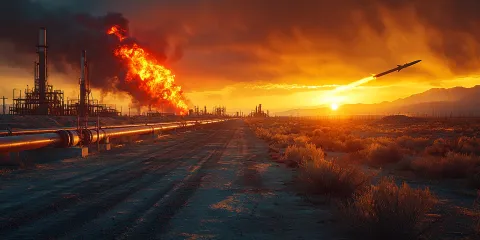
Middle East War: Energy Tensions and Global Crises
Attacks on energy infrastructure in Iran and Qatar trigger a sharp surge in oil and gas prices, intensifying regional tensions and risks of a global economic crisis.
+24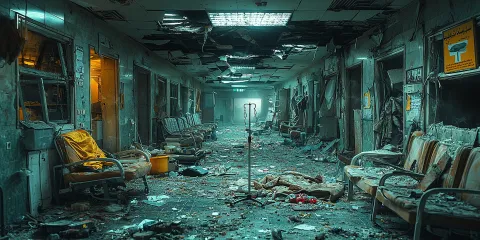
Iran: Israeli Strikes and Humanitarian Consequences
Recent Israeli strikes in Iran have intensified regional tensions and triggered medicine shortages. This escalation underscores Iran's role as a central Middle Eastern geopolitical actor, affecting not only its own population but also neighboring countries.
 +25
Israel facing security and diplomatic threats
Israel is facing major security challenges with enemy missiles managing to penetrate its defense systems. At the same time, international diplomacy is bustling around the country, highlighting regional tensions and a potential impact on international relations.

 +14
Middle East Conflict: Iran at the Center of Strikes and Tensions
Israeli airstrikes target Iranian facilities in Iran, Lebanon, and the United Arab Emirates. This escalation of tensions destabilizes the region and affects global oil prices. European diplomacy attempts to prevent further military escalation.
+26Understand global stakes from every perspective.
718 subjects · 75 countries · 8174 perspectives