Mexico — news through its media
Stories followed in this country, with their framing set against the rest of the world.
120 subjects found
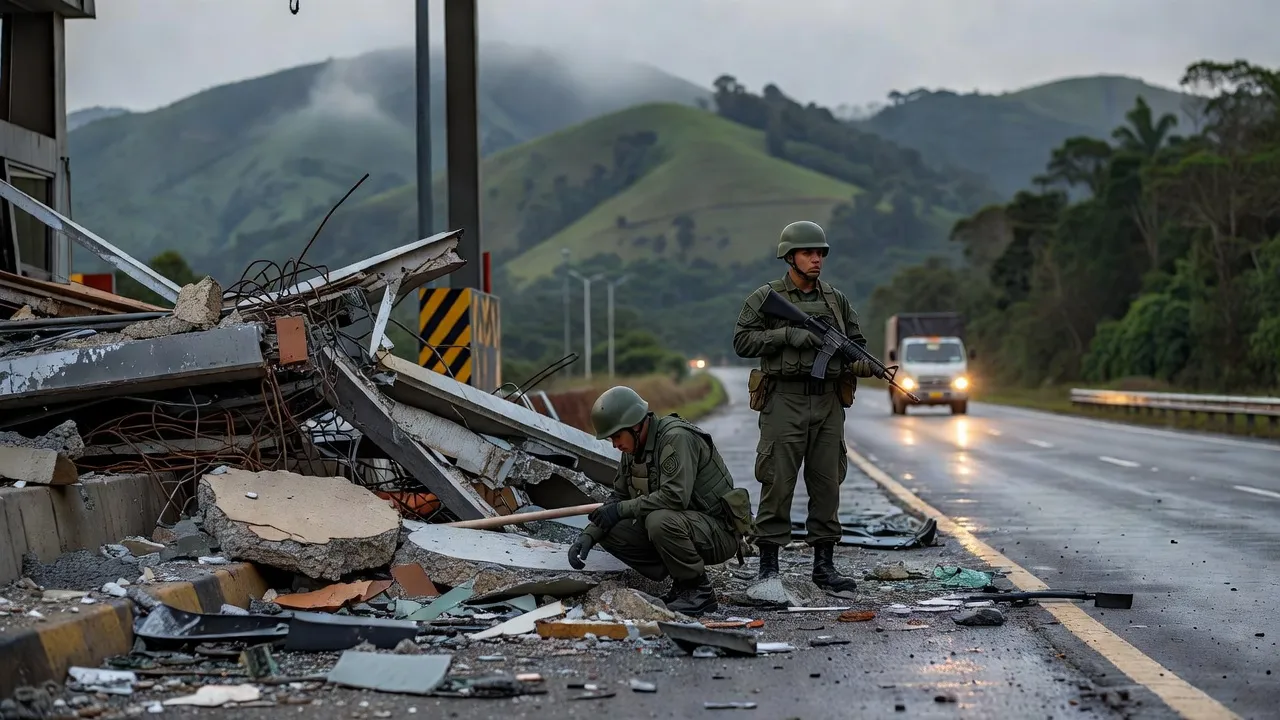
Explosive Attacks Mark Abelardo de la Espriella's First Day Leading Colombia
Sworn in on Friday at an army barracks in Cali, Colombia's new president saw his first day in office marked by two explosive attacks: a police officer killed by drones in Cesar, a toll booth destroyed in Cauca. By Sunday the Defensoría del Pueblo was counting attacks across eleven departments. Washington is pledging a billion dollars; Caracas reads it as a sign of its own turn to come.


 +3
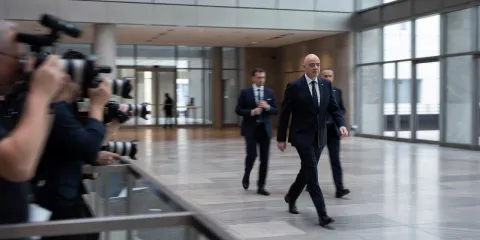
Infantino Faces Favouritism Allegations from His UEFA Years as FIFA Denounces a 'Concerted Effort' to Weaken Him
The Telegraph reports that UEFA paid a six-figure settlement to a former employee with whom Gianni Infantino is said to have had a relationship while he was its general secretary. UEFA confirms the payment, Infantino denies the claims 'categorically', and FIFA denounces a 'concerted and ongoing effort'. Northern Europe wants him gone; Africa and South America back him.


 +13

Iran Sets Six Conditions for Reopening Hormuz as the Revolutionary Guards Call the Strait a 'Theatre of War'
On Saturday the secretary of Iran's Supreme National Security Council published six preconditions for reopening the Strait of Hormuz: an end to the war, the lifting of the naval blockade and of sanctions, the withdrawal of US forces, compensation for war damage and the release of frozen assets. On Sunday the Revolutionary Guards hardened the line while Oman negotiated a temporary shipping corridor and Washington spoke of 'some progress'. A fifth of the world's oil is waiting.

 +19
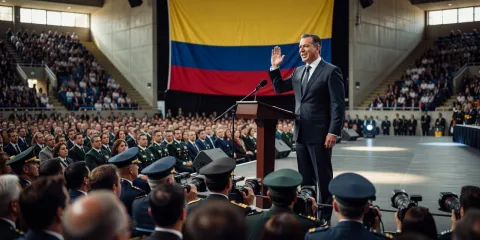
Abelardo de la Espriella sworn in as Colombia's president, in Cali not Bogotá
On 7 August 2026, millionaire lawyer Abelardo de la Espriella was sworn in for 2026-2030 before Milei, Kast, Noboa, Felipe VI and Infantino — but not Gustavo Petro. The ceremony was moved to Cali, the first speech delivered in a barracks, 11,000 personnel deployed. Fifteen countries describe the same man under fifteen different names: Trump ally, far-right president, anti-establishment outsider.


 +11
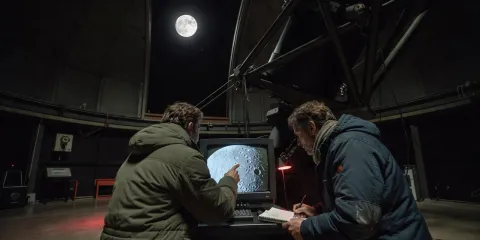
A SpaceX rocket stage crashes into the Moon and leaves a crater
On 5 August 2026 at 06:35 GMT, the upper stage of a Falcon 9 launched in January 2025 struck the Moon at 8,690 km/h after eighteen months adrift. The object is the same everywhere; its meaning is not. Twelve countries read it in turn as a scientific windfall, a space-debris problem, or a chance to prove their own capabilities — and the United States, where the rocket came from, is absent from the account.

 +8
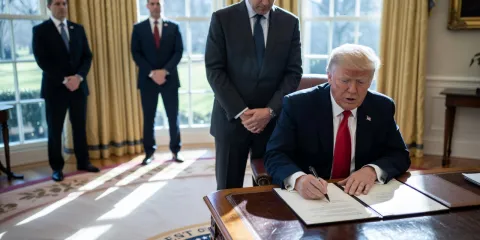
Trump narrows birthright citizenship and bans 'birth tourism'
Five weeks after the Supreme Court struck down his first executive order, Donald Trump signed two more on 6 August 2026: one denies automatic citizenship to children of four categories of non-citizen parents, the other bans 'birth tourism'. Fourteen countries read it from very different vantage points — a constitutional precedent for some, a direct threat to their nationals for others.
 +10
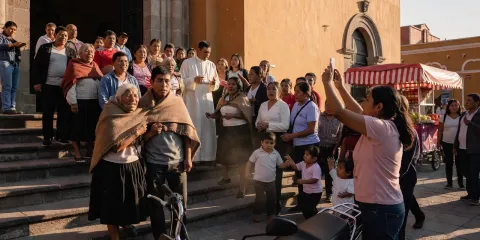
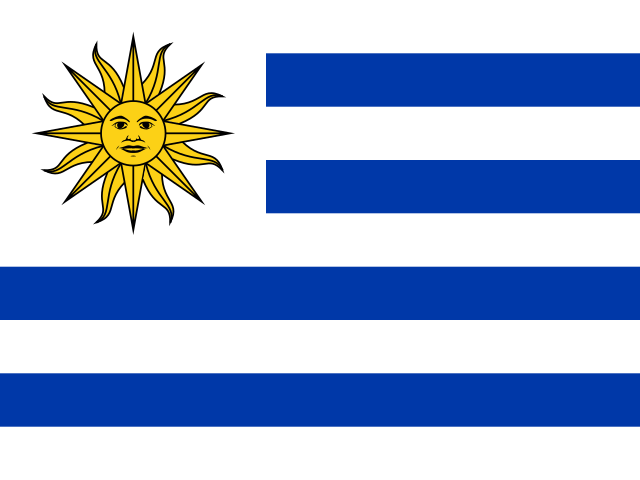
Leo XIV Announces His First Latin American Trip: Uruguay, Argentina and Peru — but Not Brazil
The Vatican confirmed on Wednesday that Leo XIV will travel to Uruguay, Argentina and Peru from 6 to 17 November. The pope will return to Chiclayo, where he was bishop, and Argentina will receive a pope for the first time in nearly forty years — something Francis, an Argentine, never did. Brazil is not on the itinerary. Five countries read the announcement by what they get.

 +1
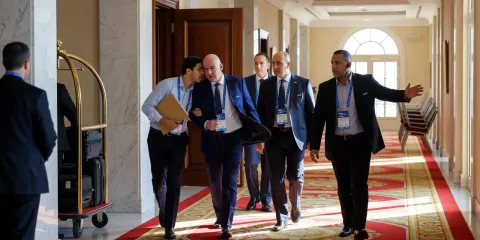
Gianni Infantino Abandoned by European Football, Backed by Africa, Facing UEFA Legal Threats
After pulling his plan to sell World Cup stakes to private investors, Gianni Infantino's re-election has gone from settled to uncertain: Wales, England, Serbia and Jordan have withdrawn their backing, UEFA is threatening FIFA with legal action, and both Arsène Wenger and the secretary general have distanced themselves. Twenty-one countries read the same crisis — Europe a fall, Africa a position to hold.

 +17
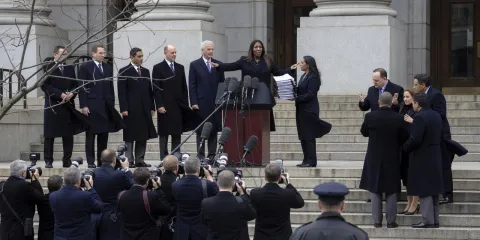
Twenty-Five US States Sue Over Trump's New Tariffs
Led by Letitia James, twenty-five states have petitioned the Court of International Trade to block tariffs of 10% to 12.5% covering nearly 99% of American imports. Nine countries tell their own exposure: the "tarifaço" in Brasília, 87% rejection in Santiago, flowers and copper in Bogotá.
 +5
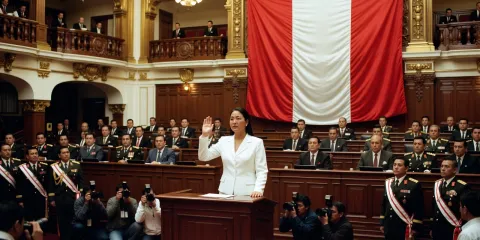
Keiko Fujimori sworn in as Peru's president, vows the army against crime
Keiko Fujimori was sworn in on July 28 as president of Peru for 2026-2031, the first woman elected to the post. Before several Latin American heads of state, she announced deploying the armed forces against crime and a minimum-wage increase, in a deeply divided country.
+5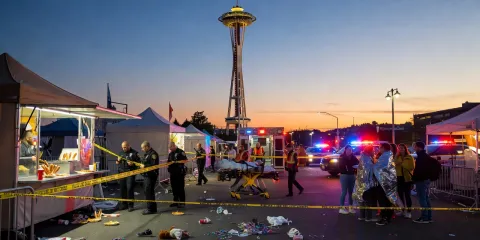
Shooting near Seattle's Space Needle kills two at food festival
A shooting erupted on 26 July 2026 near Seattle's Space Needle, on the sidelines of the Bite of Seattle festival, killing two people and wounding five, including a two-year-old child. A suspect was arrested and SWAT units deployed. The attack revives the recurring US debate over firearms and the security of large public gatherings.
 +5
Understand global stakes from every perspective.
718 subjects · 75 countries · 8174 perspectives