Pakistan — news through its media
Stories followed in this country, with their framing set against the rest of the world.
303 subjects found
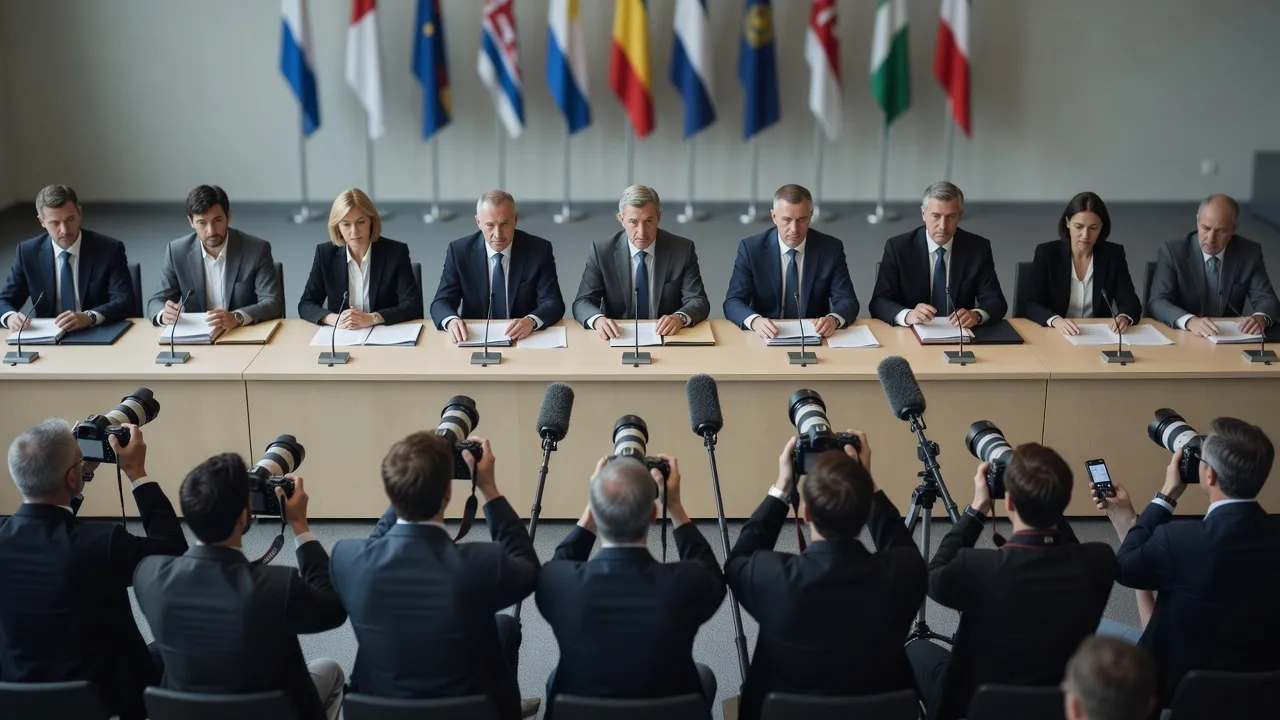
UN inquiry accuses Israel of genocide in Gaza
In June 2026, a UN commission of inquiry concluded that Israel committed genocide in Gaza. Israel flatly rejects the report while the Arab world and Global South demand accountability, as the legal label fractures the international community.



 +6
+6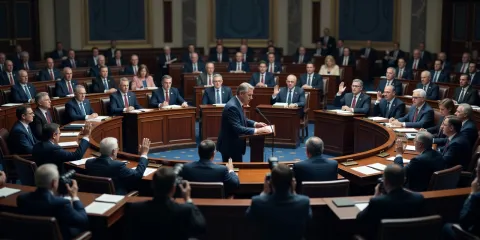
US Senate votes to end Iran involvement: an institutional rebuke for Trump
In June 2026, the US Senate voted to end US military involvement against Iran, defying Donald Trump in a rare bipartisan rebuke over war powers. From Washington to Tehran, the vote is read as a test of presidential authority.

 +8
+8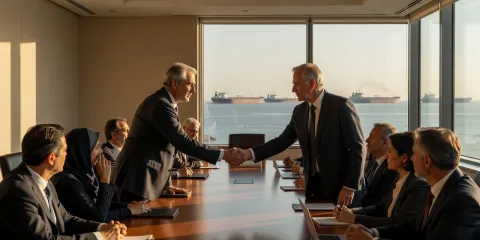
US-Iran talks conclude: Strait of Hormuz deal and asset release
Technical talks between Washington and Tehran concluded in Switzerland on 23 June 2026, yielding working groups, the release of 12 billion dollars in Iranian assets and a US waiver on oil sanctions. Iran will administer the Strait of Hormuz, where oil traffic has returned to normal, while Donald Trump warned Tehran against breaking the deal.


 +9
+9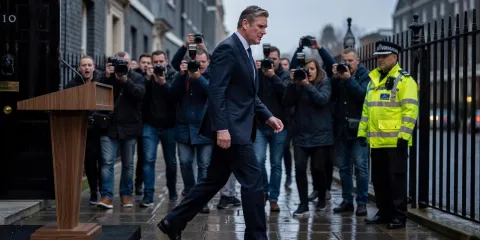
Keir Starmer resigns as UK Prime Minister
UK Prime Minister Keir Starmer announced his resignation on 23 June 2026 amid a cost-of-living crisis and Labour Party turmoil. Andy Burnham is the likely successor, set to become the country's sixth premier in seven years. International reactions ranged from Donald Trump's criticism to Emmanuel Macron's thanks.
 +10
+10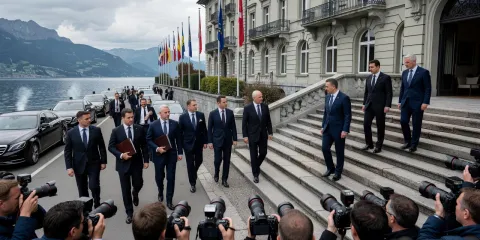
US-Iran : percée en Suisse, un mémorandum en 14 points et une feuille de route de 60 jours
Washington et Téhéran concluent en Suisse un mémorandum d'entente en 14 points et une feuille de route de 60 jours ; le blocage d'Ormuz est levé et les avoirs iraniens doivent être restitués, mais la délégation iranienne quitte la salle après une menace de Trump.

 +10
+10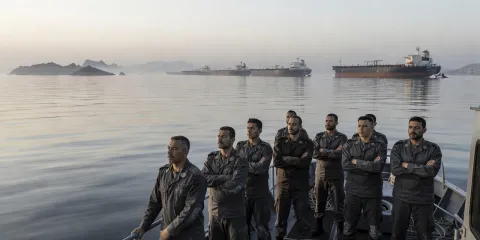
Iran Closes the Strait of Hormuz and Declares the Nuclear Deal 'in Danger'
Tehran announces the closure of the Strait of Hormuz despite the ceasefire, following continued Israeli strikes in Lebanon, and warns Washington that the nuclear deal is 'in danger.' Trump threatens a passage toll as oil prices and global shipping waver.

 +22
+22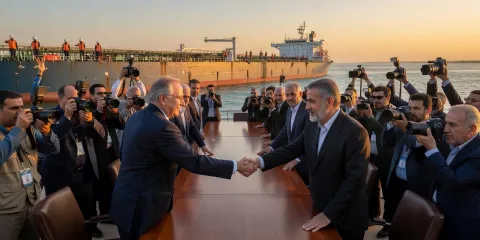
US-Iran Peace Deal Finalized: End of Operations and Hormuz Reopening
The United States and Iran finalized a peace deal calling for an immediate halt to military operations and the reopening of the Strait of Hormuz, pushing oil prices lower as Europe warned over the nuclear file.
 +14
+14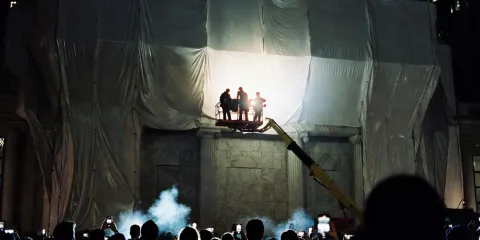
Trump's Name Torn From the Kennedy Center at Dawn as US Courts Undo His Symbolic Engravings
Behind tarps and to chants of 'Take it down!', workers pried off the 18 gold letters 'THE DONALD J. TRUMP AND' overnight. A judge ruled only Congress can rename the landmark. The same weekend, another court ordered slavery signage restored in the national parks.
 +19
+19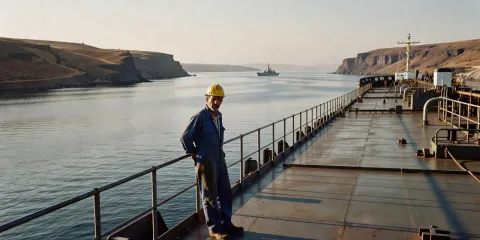
Trump Says Iran Deal to Be Signed 'Sunday' and Hormuz to Reopen — Tehran Pushes Back
Pakistan talks of an 'electronic signature' within 24 hours, Trump promises the Strait of Hormuz 'open to all' the moment it's signed — and Tehran replies it won't be Sunday. Crude falls to its lowest since April, yet Iran already proclaims: 'we are the winner.'
 +13
+13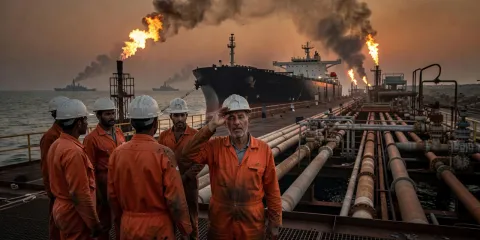
Trump threatens to seize Kharg Island, then calls it all off: the rollercoaster war over Iran's oil
Trump vows 'total control' of Iran's oil 'much like Venezuela,' eyeing the island that ships 90% of Tehran's crude — then, hours later, cancels the strikes and declares a deal 'all but finalized.'
+3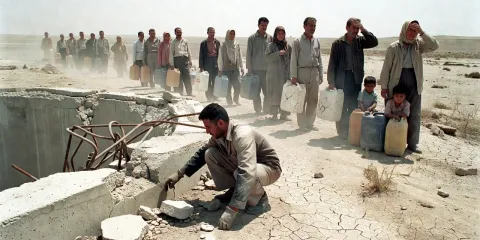
Washington bombs Iran's water reservoirs and threatens bridges and power plants as the deal collapses
Twenty thousand Iranians cut off from drinking water in 50°C heat, US bases hit from Kuwait to Bahrain, and a president who promises to 'keep going' — April's truce is hanging by a thread.
+5Understand global stakes from every perspective.
722 subjects · 75 countries · 8238 perspectives