Every angle on the news
Every story decoded through media worldwide, perspective by perspective.
Economy & Trade
71 subjects found
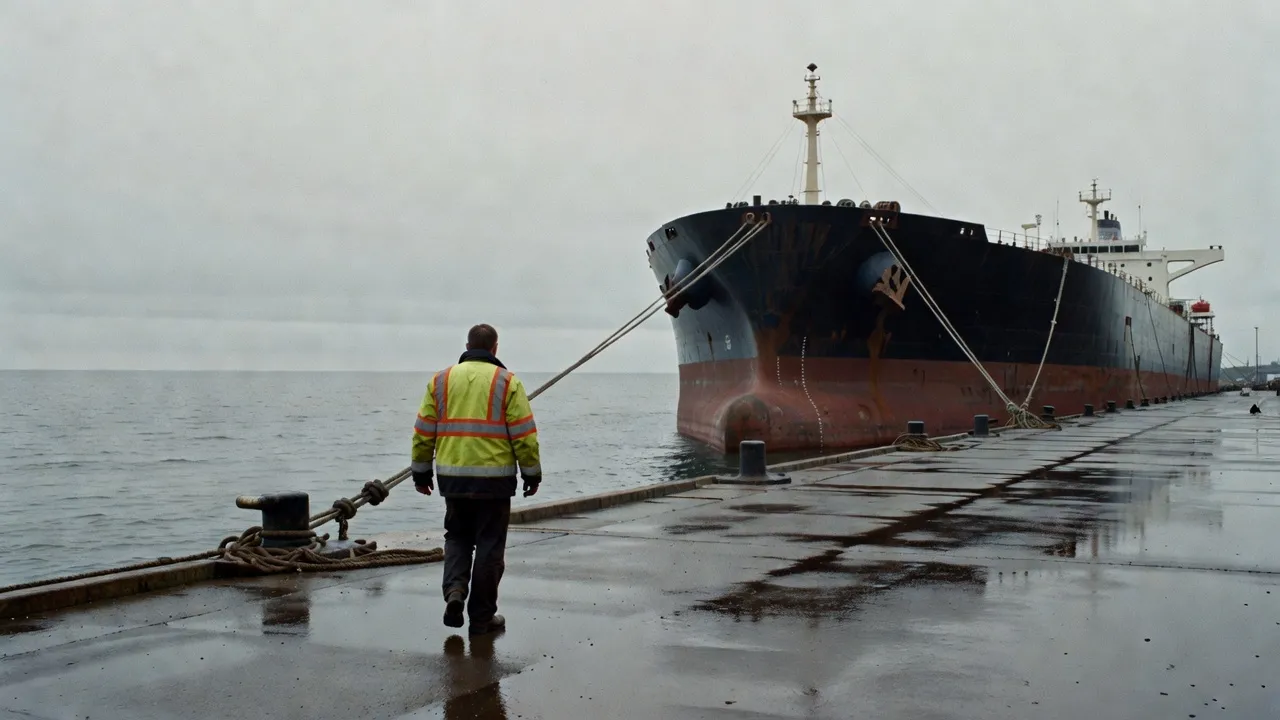
Brussels prepares its most far-reaching sanctions package against Russia
Kaja Kallas, the EU's foreign policy chief, said she wants to increase the number of sanctioned Russian entities by about a third, in what the Union presents as its most far-reaching package since the war began. The text has not been adopted and Hungary and Slovakia each hold a veto. Five countries cover the announcement, including Russia through TASS and The Moscow Times, which read it differently.


 +1

Death of Zhu Rongji, the former premier who took China into the WTO — and whose age Beijing and the West report differently
Xinhua announced the death of Zhu Rongji, premier from 1998 to 2003, on 12 August in Beijing. He engineered China's WTO entry in 2001 and the restructuring of state-owned enterprises, at the cost of tens of millions of layoffs. A rare detail: Chinese agencies say he died at 98, the Western press at 97.


 +4
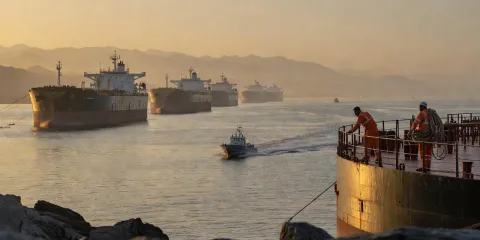
Iran Sets Six Conditions for Reopening Hormuz as the Revolutionary Guards Call the Strait a 'Theatre of War'
On Saturday the secretary of Iran's Supreme National Security Council published six preconditions for reopening the Strait of Hormuz: an end to the war, the lifting of the naval blockade and of sanctions, the withdrawal of US forces, compensation for war damage and the release of frozen assets. On Sunday the Revolutionary Guards hardened the line while Oman negotiated a temporary shipping corridor and Washington spoke of 'some progress'. A fifth of the world's oil is waiting.

 +19
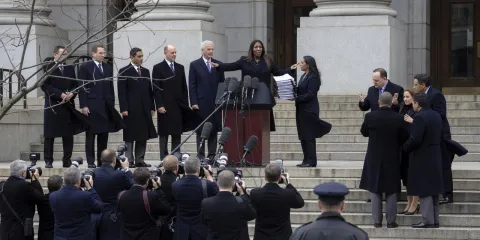
Twenty-Five US States Sue Over Trump's New Tariffs
Led by Letitia James, twenty-five states have petitioned the Court of International Trade to block tariffs of 10% to 12.5% covering nearly 99% of American imports. Nine countries tell their own exposure: the "tarifaço" in Brasília, 87% rejection in Santiago, flowers and copper in Bogotá.


 +5
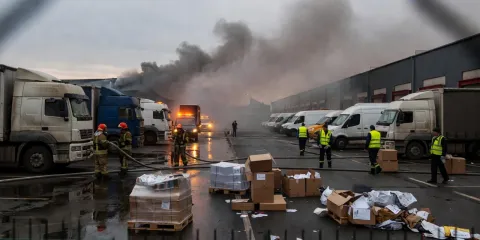
Ukraine Hits a 17th Warehouse of the "Russian Amazon" as Moscow Claims 635 Drones Downed
Overnight on August 2-3, Ukraine struck a 17th warehouse of e-commerce giant Wildberries, a Rosneft refinery in Saratov and the Engels airfield. Moscow says it downed 635 drones and reported eight dead. Kyiv argues the "Russian Amazon" supplies the army: civilian logistics has become a target, and capitals agree neither on the legitimacy of that choice nor on whether it works.


 +7
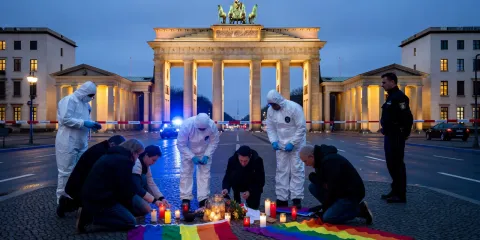
Suspected Berlin Pride attacker shot dead by police
German police on 26 July 2026 shot dead in Spandau 21-year-old Abdul Ballout, the suspected perpetrator of the previous day's vehicle-ramming attack on Berlin's Pride march (one woman killed, up to 29 injured). The interior minister called it an Islamist attack; the suspect's death revives debate over lethal force, his earlier release, and the security of large gatherings.
 +7
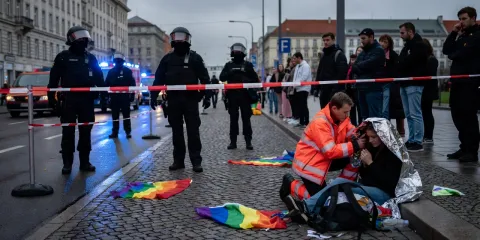
Car-ramming attack on Berlin Pride march: one dead, manhunt underway
A vehicle rammed into the crowd at Berlin's Pride march on 26 July 2026, killing one person and injuring sixteen. German police are hunting a 21-year-old suspect described as tied to the Islamist scene, reviving debate over the security of large gatherings and the protection of the LGBT community.
 +5
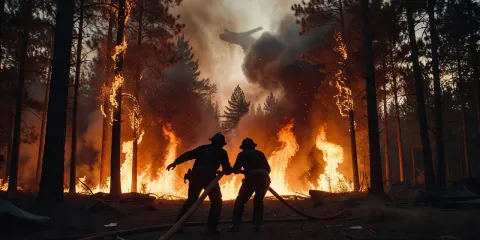
Wildfires Spread Across Europe: Over 200,000 Evacuated, Bordeaux Threatened, Blazes Near Madrid
Wildfires have swept southern Europe since 23 July: more than 200,000 people have been evacuated in France and Spain, including some 141,000 in the Gironde and Landes where the fire is advancing toward Bordeaux, while merging blazes west of Madrid led Spain to declare a national state of emergency for a wildfire for the first time. Emmanuel Macron mobilised the armed forces and activated the EU civil protection mechanism.

 +7
Trump Hits Australia With 12.5% Tariff Over 'Forced Labour'
Donald Trump raised tariffs on Australian imports from 10 to 12.5 percent, citing the fight against forced labour. The move hits a close ally, pushes Australian exporters to seek carve-outs and strains the Canberra-Washington alliance, while fuelling debate over the US administration's global trade war.
+2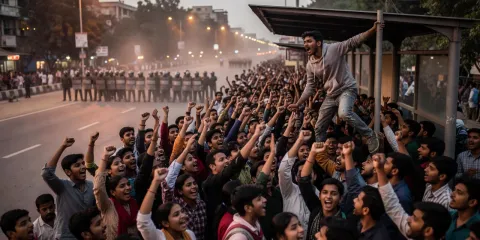
India's Youth-Led 'Cockroach' Movement Challenges Modi After Exam Fraud
A youth-led protest movement dubbed the "Cockroaches" has become a major challenge to Narendra Modi's government, triggered by the leak of the NEET national medical entrance exam and by clashes with police in New Delhi. Modi promised stringent punishment for the fraud, students vow to continue despite the crackdown, and the opposition leader is calling for him to step down.


 +4

Trump Imposes 50% Tariffs on a Broad Range of Canadian Goods
Donald Trump signed three proclamations on 20 July imposing 50% tariffs on Canadian autos, alcohol, dairy, wine and cement, with no exemption for goods normally covered by the USMCA — a first since the agreement took effect. The tariffs kick in on 19 August, with talks between Washington and Ottawa still deadlocked.
 +1
Understand global stakes from every perspective.
726 subjects · 75 countries · 8278 perspectives