
DOMINANT ANGLE
Vilnius sees Aleksandar Vučić's resignation as a calculated transfer of power from the presidency to a constitutionally stronger post of Prime Minister, amidst student protests.
Dominant angle identified — does not reflect unanimity of this country’s media
KEY POINTS
- 01
Vučić resigned on Sunday, September 27, to lead the SNS list in the early legislative elections on October 25 and run for the post of Prime Minister, which is more powerful than the presidency he has held since 2022.
- 02
Parliament Speaker Ana Brnabić is ensuring the interim; the presidential election must be held within 90 days, with a first round hoped for by Vučić "by the end of December".
- 03
The "Students Win" movement, born after the collapse of the Novi Sad train station canopy (16 dead, November 2024), and the "European Serbia" coalition are challenging the SNS in the legislative elections.
ANALYSIS
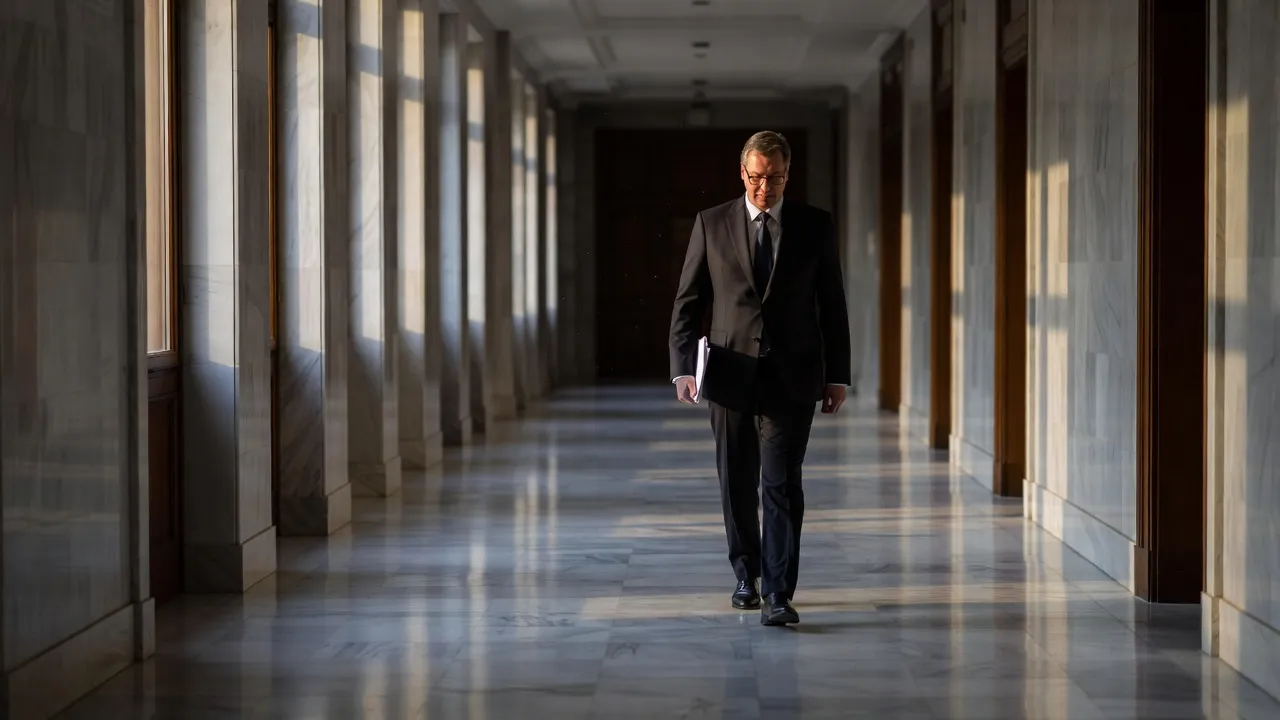
Vilnius, September 28, 2026. On Sunday, September 27, Serbian President Aleksandar Vučić announced his resignation from the presidential palace in Belgrade, in front of hundreds of supporters waving flags. "This is my last evening in this building," he told them a few minutes before stepping down, adding: "I have faithfully served my people and my homeland, Serbia. I am proud of what we have achieved together."
The Lithuanian press, which has been following the case from Belgrade, emphasizes that the move has a specific goal: to lead the Serbian Progressive Party (SNS) list to the early legislative elections on October 25, and then to run for the post of Prime Minister - a position that is constitutionally more powerful than the presidency he has held since his re-election in May 2022. The Constitution would have prevented him from running for a third presidential term anyway.
Until the election of a new head of state, the interim presidency falls to the Speaker of the Parliament, Ana Brnabić: Vučić specified that he would transfer his powers to her "tomorrow morning". The presidential election must be held within 90 days, with a campaign lasting 30 to 60 days; he mentioned a possible first round "by the end of December". He had announced his intention to resign as early as summer, before setting the election date at the beginning of the month, citing "great turmoil on the country's political scene".
According to Lithuanian accounts, the October schedule meets one of the main demands of the movement that emerged after the collapse of the Novi Sad train station canopy in November 2024, which killed 16 people and triggered, according to the same newspapers, the largest protests in Serbia since the fall of Slobodan Milošević in 2000 - sometimes hundreds of thousands of people in the streets. Facing the SNS and its allies, the "Students Win" movement and the opposition coalition "European Serbia" still have to designate their presidential candidates.
Vučić, elected president in 2017 and re-elected in 2022, justifies his choice by saying he wants to "fight like an ordinary man, like a member of the people". A few minutes before his resignation, he also used his constitutional powers to grant pardons, a move that the Lithuanian press directly links to the prosecutions resulting from the student protests.
SOURCES (2)
- 15minMEDIUM
- Verslo ziniosMEDIUM